When Fulfillment Goes Wrong: How to Handle Damaged Inventory and Shipping Claims

Michael DeSarno
8 min read
Risk & Contingency
Share
KEY TAKEAWAYS
• Damaged inventory costs far more than COGS: reshipping, reviews, refunds, and platform penalties compound the loss.
• Damage often originates at receiving, storage, or packing, not just carrier transit.
• File carrier claims within 60 days with photos, tracking, and proof of value; expect initial denials.
• A 3PL with transparent liability coverage, SKU-level damage tracking, and packaging consultation prevents most damage before it happens.
Last Updated:
You open your email to find three one-star reviews. The photos tell the story: crushed boxes, shattered glass bottles, supplement powder leaked all over the inside of a mailer. Your customer is furious. Your brand takes the hit. And now you're scrambling to figure out who pays for it.
Damaged inventory fulfillment is one of the most painful (and expensive) problems growing CPG brands face. Whether the damage happens at the warehouse, during transit, or because of poor packaging decisions made months ago, the result is the same: lost product, lost revenue, and lost trust.
This guide breaks down exactly what to do when fulfillment goes wrong, how to file shipping claims that actually get paid, how to prevent damage in the first place, and what to look for in a 3PL's liability coverage so you're never left holding the bag alone.
The Real Cost of Damaged Inventory
Most brands think about damaged inventory as a simple COGS loss. You lose the product, you eat the cost, you move on. But the actual financial impact is much larger.
Here's what damaged inventory really costs you:
- Product replacement cost (the obvious one)
- Reshipping cost to send a replacement to the customer
- Customer service time handling the complaint
- Refund or discount to retain the customer
- Negative reviews that reduce future conversion rates
- Platform penalties if your defect rate climbs on Amazon or similar marketplaces
- Carrier claim filing time (hours of back and forth)
For a brand doing 5,000 orders per month with even a 2% damage rate, that's 100 damaged orders. At an average order value of $45, you're looking at $4,500 in replacement product alone, before you factor in reshipping, labor, and the downstream revenue impact of bad reviews.
This is why shipping damage prevention isn't a "nice to have." It's a margin protection strategy.
Where Damage Actually Happens (It's Not Always the Carrier)
When a customer receives a damaged product, the instinct is to blame the carrier. Sometimes that's correct. But in our experience working with 150+ brands at ShipDudes, damage happens at several points in the fulfillment chain, and identifying the real source is the first step to fixing it.
During Inbound Receiving
Product can arrive at the warehouse already damaged from your manufacturer or during freight transit. If your 3PL doesn't have a thorough [warehouse receiving process](https://shipdudes.com/blog/warehouse-receiving-process), damaged units slip into sellable inventory and get shipped to customers.
During Warehouse Storage
Improper stacking, temperature fluctuations, or disorganized shelving can damage products over time. This is especially common with [beverages](https://shipdudes.com/blog/beverage-fulfillment-challenges-glass-liquid-restrictions-and-shipping-solutions), glass containers, and [supplements](https://shipdudes.com/blog/supplement-fulfillment-fda-compliance-lot-tracking-and-expiration-management) that are sensitive to heat.
During Pick and Pack
Rough handling, insufficient void fill, or the wrong box size can set a product up for failure before it even leaves the warehouse. A solid [pick and pack fulfillment](https://shipdudes.com/blog/pick-and-pack-fulfillment) operation has quality checks specifically designed to catch these issues.
During Transit
This is where most visible damage occurs. Packages get tossed, stacked under heavy parcels, and exposed to weather. But transit damage is often a symptom of a packaging problem, not just a carrier problem.
How to Handle Damaged Inventory When It Happens
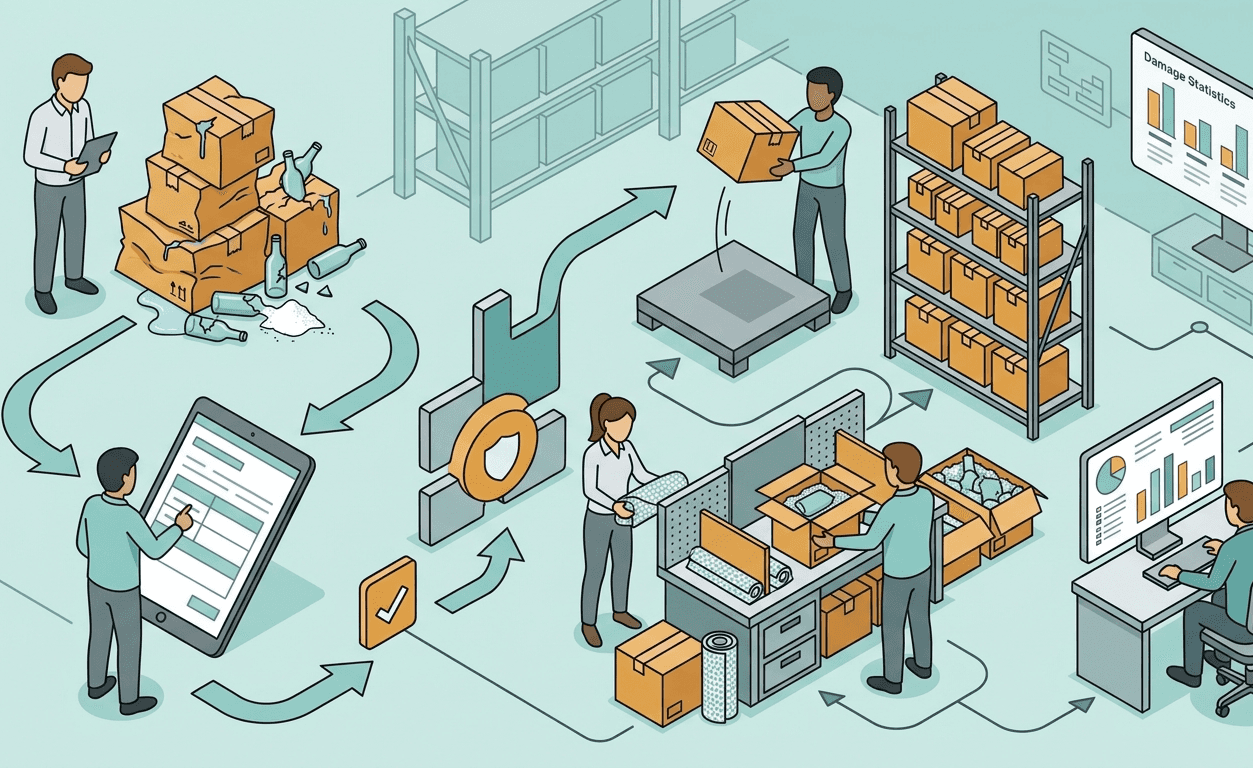
Let's get practical. A customer just sent you a photo of a smashed product. Here's the step-by-step playbook.
Step 1: Document Everything Immediately
Ask the customer for photos of the damaged product, the packaging (inside and out), and the shipping label. The more documentation you have, the stronger your fulfillment insurance claims will be. Time matters here. Most carriers have strict filing windows.
Step 2: Replace the Order First, Ask Questions Later
Your customer doesn't care whose fault it is. They care about getting what they paid for. Ship a replacement immediately. Handle the claim on the back end. This protects your reviews and your relationship.
Step 3: Identify Where the Damage Occurred
Review the photos carefully. Was the outer box crushed (transit damage)? Was the product packaged without adequate protection (packing issue)? Was the unit already damaged before shipping (receiving or storage issue)? This determination drives who is liable.
Step 4: File the Carrier Claim
If the damage happened in transit, file a claim with the carrier. Here's what you'll need:
- Tracking number
- Photos of damaged product and packaging
- Proof of product value (invoice or wholesale cost documentation)
- Original shipping label information
Most carriers (UPS, FedEx, USPS) allow claims within 60 days, but sooner is always better. Be prepared for pushback. Carriers deny claims frequently on the first attempt, especially if they determine packaging was insufficient.
Step 5: Review with Your 3PL
If the damage was caused by inadequate packing or a warehouse error, your 3PL should take responsibility. This is where 3PL liability coverage becomes critical, and where not all providers are created equal.
Understanding 3PL Liability Coverage
Here's something most brands don't ask about until it's too late: what does your 3PL actually cover when inventory gets damaged on their watch?
There are generally three tiers of liability in the fulfillment world:
Standard Warehouse Liability
Most 3PLs operate under standard warehouse legal liability, which typically caps coverage at a fraction of the product's actual value. If your product retails for $50 but the warehouse liability limit is a few cents per pound, you're barely covered.
Extended Coverage or Warehouse Insurance
Some 3PLs offer (or require) extended insurance coverage that provides more realistic reimbursement. This is worth asking about during your evaluation process. When you're learning [how to choose a 3PL](https://shipdudes.com/blog/how-to-choose-a-3pl), liability coverage should be on your checklist right next to pricing and integrations.
Carrier-Level Insurance
For transit damage, carrier-declared value coverage or third-party shipping insurance (like Shipsurance or Route) provides protection. Many brands add this automatically to high-value orders.
At ShipDudes, we walk brands through exactly what's covered and what's not during onboarding. There's no fine print surprise. If our team made the error, we own it. That operator-to-operator transparency is part of why our [US-based fulfillment team](https://shipdudes.com/blog/the-real-cost-of-3pl-overseas-support-why-us-based-teams-matter-for-your-brand) matters. When something goes wrong, you're talking to the people who actually handled your product, not an overseas call center reading a script.
Shipping Damage Prevention: How to Stop Problems Before They Start
The best claim is the one you never have to file. Here's how to dramatically reduce damage rates.
Right-Size Your Packaging
Oversized boxes mean products bounce around in transit. Undersized boxes mean products get crushed. Work with your 3PL to match box dimensions to your product catalog. This also saves on dimensional weight charges, which is a win for [shipping cost optimization](https://shipdudes.com/blog/shipping-cost-optimization).
Invest in Protective Materials
Bubble wrap, air pillows, molded inserts, corrugated dividers. The right void fill depends on your product's fragility and weight. For brands in beauty, supplements, or beverages, this isn't optional. Check out our guide on [custom packaging and branded fulfillment](https://shipdudes.com/blog/custom-packaging-and-branded-fulfillment-elevate-your-unboxing-experience) for ideas that protect products while elevating the unboxing experience.
Use Inner Packaging for Fragile SKUs
If you sell glass bottles, ceramics, or anything breakable, individual units should have their own protective sleeve or wrap before going into the outer box. At ShipDudes, our [kitting and assembly services](https://shipdudes.com/blog/kitting-and-assembly-services) handle this kind of product-specific prep so every unit ships safely.
Test Your Packaging with Drop Tests
Seriously. Take a packed box and drop it from four feet onto concrete. Toss it onto a hard floor from different angles. If your product survives, your packaging works. If it doesn't, redesign before you ship thousands of units.
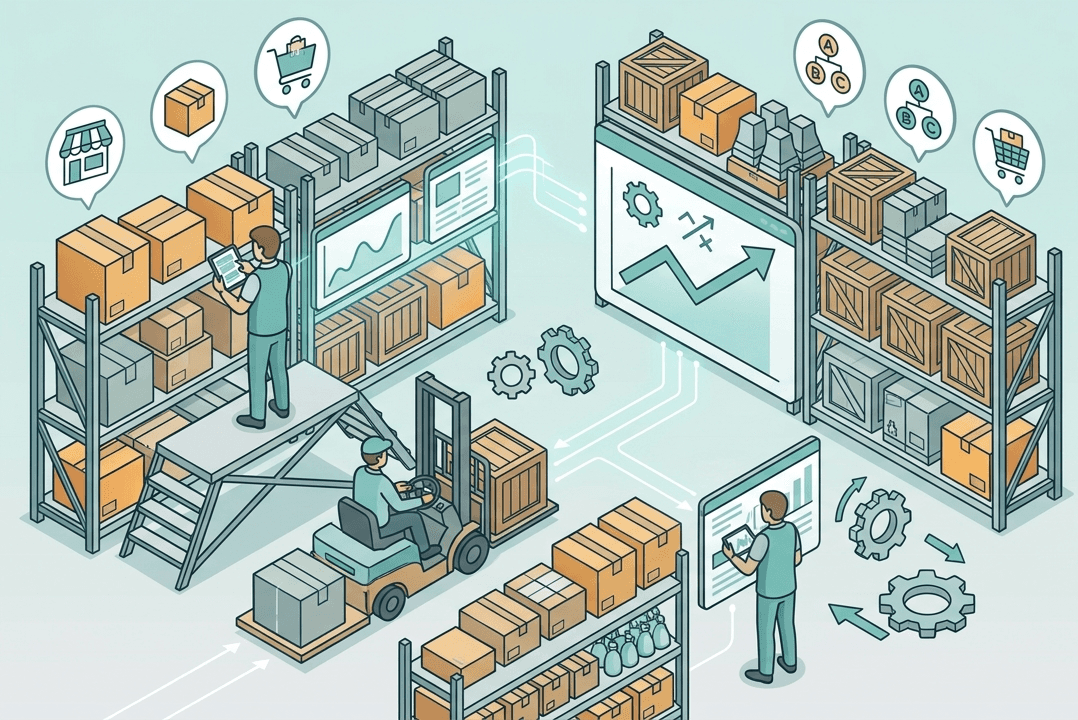
Monitor Damage Rates by SKU and Carrier
Your [3PL inventory management](https://shipdudes.com/blog/3pl-inventory-management-systems-real-time-visibility-and-control) system should track damage rates. If one SKU has a 5% damage rate while everything else is under 1%, that's a packaging problem specific to that product. If one carrier route shows higher damage, reroute or add insurance to those shipments.
What to Look for in a 3PL Partner (Before Damage Happens)
If you're evaluating fulfillment partners right now, here are the damage-related questions you should be asking:
1. What is your standard warehouse liability coverage?
2. Do you offer extended coverage or help brands arrange supplemental insurance?
3. What's your inbound receiving inspection process?
4. How do you handle carrier claims on our behalf?
5. What's your average damage rate across clients?
6. Do you track damage by SKU and provide reporting?
7. Will you do packaging consultations to reduce breakage?
A 3PL that gets defensive about these questions isn't the right partner. At ShipDudes, we answer all of them transparently because we've been on the brand side. Our founders built this company after living through the pain of working with fulfillment partners who dodged accountability. That experience shapes everything about how we operate, from our [fast onboarding process](https://shipdudes.com/blog/fast-onboarding-fulfillment) to how we handle the inevitable moments when something goes wrong.
When Damage Is a Sign of a Bigger Problem
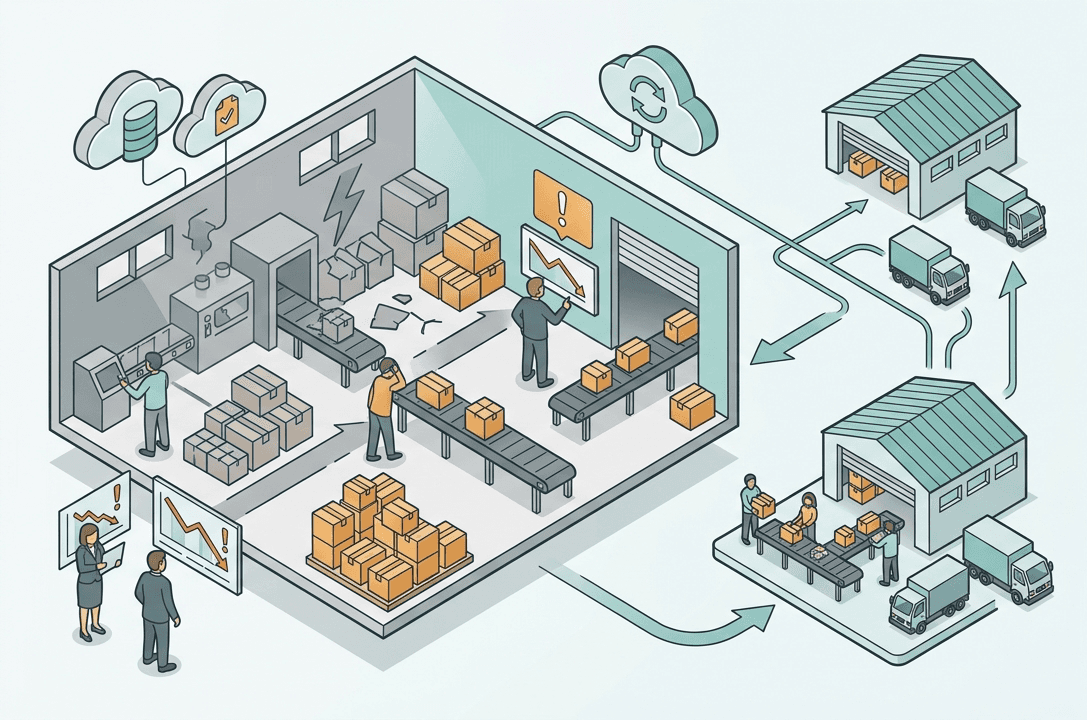
Occasional shipping damage is a reality of ecommerce. But if your damage rate is consistently above 1 to 2%, something systemic is broken. It might be your packaging design, your 3PL's handling procedures, your carrier mix, or your product's inherent fragility combined with inadequate protection.
This is especially true during [peak season](https://shipdudes.com/blog/peak-season-fulfillment-strategy), when carrier networks are strained and packages spend more time in sorting facilities. Brands that haven't stress-tested their packaging before Q4 often learn the hard way.
If you're seeing rising damage rates and your current fulfillment partner isn't proactively helping you solve it, that's a sign it might be time to [switch to a 3PL](https://shipdudes.com/blog/when-to-switch-to-3pl) that treats your inventory like their own.
FAQ: Damaged Inventory Fulfillment
Who is responsible when a 3PL damages my inventory?
If the damage occurs due to the 3PL's negligence during storage, handling, or packing, the 3PL is typically liable. However, coverage limits vary significantly between providers. Always review your 3PL's warehouse liability terms and consider supplemental insurance for high-value inventory.
How do I file a shipping damage claim with a carrier?
Gather your tracking number, photos of the damaged product and packaging, and proof of product value. File the claim through the carrier's online portal (UPS, FedEx, and USPS all have dedicated claims processes). Most carriers require claims within 60 days of the delivery date. Be persistent, as initial denials are common.
What is the average damage rate in ecommerce fulfillment?
Industry averages typically fall between 1% and 3%, depending on product type. Fragile items like glass bottles or electronics trend higher without proper packaging. Brands working with experienced 3PLs that specialize in their product category often achieve rates below 1%.
How can I prevent shipping damage for fragile products?
Use right-sized boxes, high-quality void fill materials, individual unit protection for breakable items, and conduct drop tests on your packaging. Work with your 3PL on product-specific packing protocols and monitor damage rates by SKU to identify problem areas.
Does ShipDudes handle carrier claims for brands?
Yes. ShipDudes works with brands to document damage, identify the root cause, and support the carrier claims process. Because everything is managed by our in-house, US-based team, communication is fast and direct. We also proactively review packaging and handling procedures to reduce damage rates over time.
Stop Losing Money to Preventable Damage
Damaged inventory fulfillment is a solvable problem, but it requires a 3PL partner that takes it as seriously as you do. From protective packaging protocols to transparent liability coverage to proactive damage reporting, the right partner turns a recurring headache into a rare exception.
ShipDudes was built by operators who've dealt with crushed shipments, denied claims, and 3PLs that pointed fingers instead of fixing problems. We handle fulfillment for CPG brands across beauty, supplements, beverages, food, pet products, and more, with the care and accountability your inventory deserves.
Ready to work with a 3PL that actually owns the outcome? [Book a call with ShipDudes](https://shipdudes.com/book-a-call) and let's talk about protecting your products and your margins.
Ready to Simplify Your Fulfillment?
Let's build a custom pricing model for your brand. No contracts required to start the conversation.