3PL Geographic Redundancy: Building Fulfillment Disaster Recovery That Actually Works

Michael DeSarno
8 min read
Risk & Contingency
Share
KEY TAKEAWAYS
• 3PL geographic redundancy distributes inventory across multiple regions so a localized disruption never halts your entire fulfillment operation.
• ShipDudes operates 2 NJ + 2 Las Vegas warehouses, giving brands dual-coast failover with automatic order rerouting.
• Core requirements: split inventory, unified WMS with dynamic routing, carrier diversification at each site, and documented failover procedures.
• For brands doing 7+ figures annually, the cost of split inventory is far less than revenue lost in a single multi-day disruption.
Last Updated:
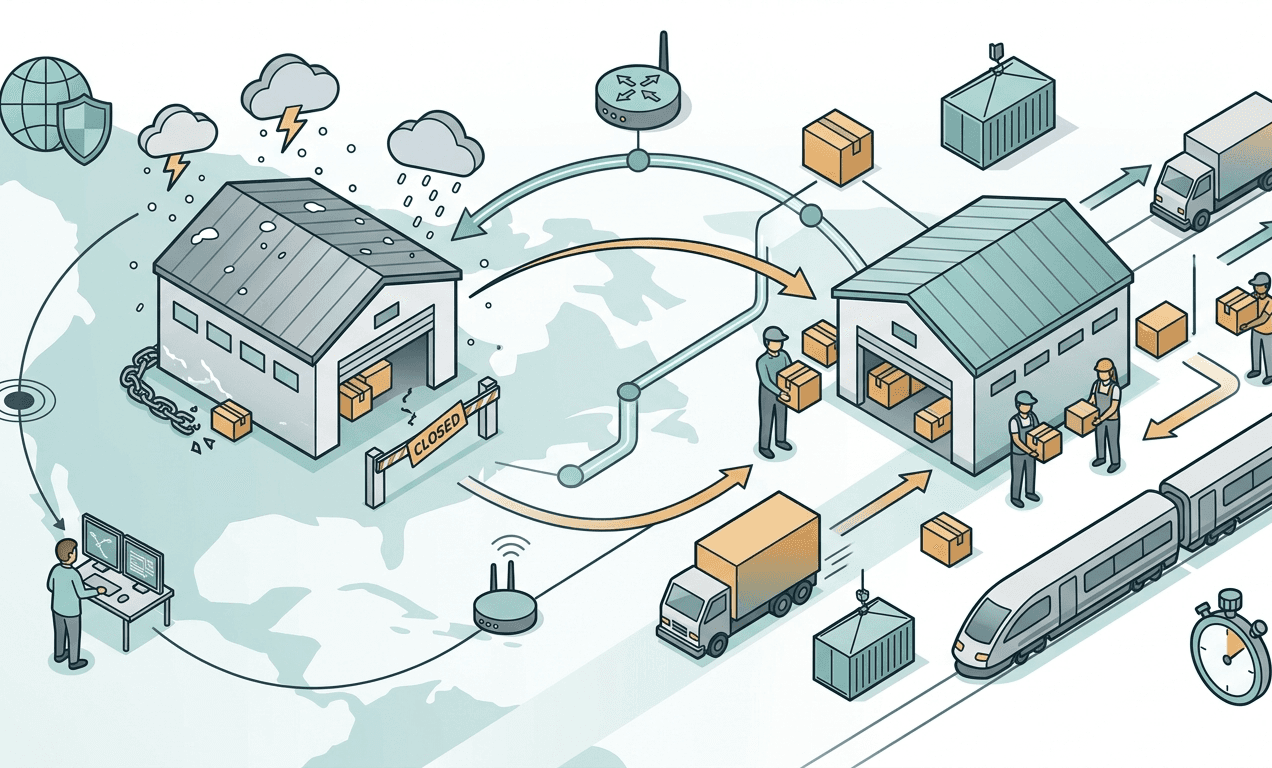
Here is a scenario most brand founders don't think about until it's too late: a major snowstorm shuts down your only fulfillment center for four days. Or a warehouse fire takes your entire inventory offline. Or a regional carrier network collapses during peak season. Suddenly, every order in your queue is stuck, your customer service inbox is melting down, and your revenue is evaporating by the hour.
3PL geographic redundancy is how serious brands prevent a localized disruption from becoming a company-wide crisis. It is not about paranoia. It is about building fulfillment disaster recovery into your operations before you need it, so that when something goes wrong (and it will), your customers never notice.
If you are scaling a CPG brand and relying on a single warehouse location, this post is your wake-up call.
What 3PL Geographic Redundancy Actually Means
Geographic redundancy in fulfillment means distributing your inventory and operations across multiple physical locations in different regions. The goal is simple: if one location goes down, another can pick up the slack without significant delays or service degradation.
This is not the same as simply having a big warehouse. A 100,000 square foot facility in a single location is still a single point of failure. Warehouse redundancy planning requires separate facilities in distinct geographic zones, ideally on opposite sides of the country, connected by shared technology and inventory management systems.
At ShipDudes, we operate four warehouse facilities across two coasts: two in Northern New Jersey and two in Las Vegas. That dual-coast setup is not just about [faster shipping](https://shipdudes.com/blog/nationwide-3pl-fulfillment-why-a-two-coast-setup-beats-a-single-warehouse). It is the backbone of a real fulfillment continuity plan.
The Real Risks of Single-Location Fulfillment
Let's be honest about what can go wrong when all your eggs are in one warehouse.
Natural disasters. Hurricanes, floods, wildfires, severe winter storms. These are not rare events anymore. They happen every year, and they can shut down regional logistics infrastructure for days or weeks.
Infrastructure failures. Power outages, internet disruptions, equipment breakdowns. Even a fire sprinkler malfunction can damage inventory and halt operations.
Carrier disruptions. When a regional carrier hub goes offline (think UPS or FedEx sort facilities during ice storms), every package routed through that hub is delayed. If your only warehouse feeds into a single regional carrier network, you have zero alternatives.
Labor shortages. A localized COVID outbreak, a labor dispute, or seasonal hiring challenges in one market can leave your warehouse understaffed right when you need it most.
Any one of these events, hitting a single-location fulfillment operation, can cost you days of revenue, spike your refund rate, and damage customer trust that took years to build. The brands that survive these moments are the ones with [3PL backup locations](https://shipdudes.com/blog/3pl-backup-plan-emergency-contingency-fulfillment-strategies) already in place.
The Core Components of Fulfillment Disaster Recovery
Building real fulfillment disaster recovery is not just about having a second warehouse. It requires several interconnected components working together.
1. Split Inventory Across Locations
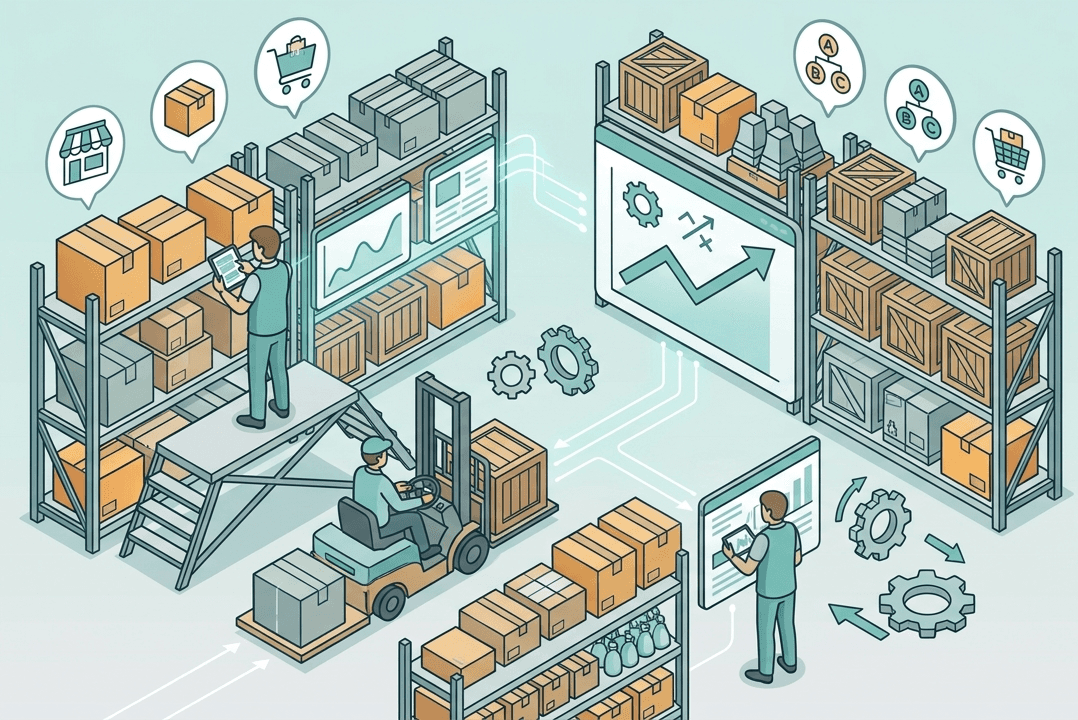
The most fundamental element of warehouse redundancy planning is distributing your SKUs across multiple facilities. This does not mean you need equal stock in every location. Smart [inventory allocation](https://shipdudes.com/blog/inventory-allocation-strategies-multi-channel-brands-prevent-stock-conflicts) places inventory based on demand patterns, with enough buffer stock at each location to handle a surge if the other goes offline.
For example, if 60% of your orders ship to the eastern U.S., you might hold 60% of your inventory in New Jersey and 40% in Las Vegas. But if the New Jersey facilities go down, that 40% in Vegas can keep you shipping while you recover.
2. Unified Technology Layer
Geographic redundancy is useless if your systems cannot route orders dynamically between locations. Your 3PL's warehouse management system (WMS) needs to automatically detect when one location is constrained and shift fulfillment to the backup facility.
This requires real-time [inventory sync across channels](https://shipdudes.com/blog/multi-channel-inventory-sync-how-to-prevent-overselling-across-shopify-amazon-and-tiktok-shop) and locations, plus [robust API integrations](https://shipdudes.com/blog/3pl-technology-integration-apis-webhooks-and-real-time-data-sync) that keep everything connected. If your 3PL's tech stack cannot handle dynamic order routing, you do not have redundancy. You just have inventory sitting in two places.
3. Carrier Diversification at Each Location
Each facility should have access to multiple carriers. If one carrier network experiences regional disruptions, your 3PL needs to pivot to alternatives without manual intervention. This is where [carrier diversification strategy](https://shipdudes.com/blog/3pl-carrier-diversification-why-single-carrier-strategies-fail-during-peak-season) becomes a critical piece of your continuity plan.
4. Documented Failover Procedures
Disaster recovery only works if there is a clear, documented plan for how orders get rerouted, who makes the call, and what the communication protocol looks like. Ask your 3PL: what happens if your primary facility goes offline at 2 AM on a Tuesday? Is there an automatic failover, or does someone need to make a phone call?
How Dual-Coast Operations Create Natural Redundancy
The most practical form of 3PL geographic redundancy for most CPG brands is a dual-coast warehouse setup. East Coast and West Coast facilities provide several layers of protection simultaneously.
Weather diversity. A blizzard hitting the Northeast will not affect operations in the desert Southwest. A heat wave shutting down Vegas operations will not touch New Jersey.
Carrier network separation. East Coast and West Coast facilities feed into completely different carrier sort networks. A regional carrier disruption on one coast leaves the other coast fully operational.
Time zone coverage. With facilities in both Eastern and Pacific time zones, your fulfillment operation has a wider effective operating window.
ShipDudes built our [dual-coast warehouse network](https://shipdudes.com/blog/fulfillment-centers-east-and-west-coast) with exactly this logic. Our Northern New Jersey facilities serve as the [East Coast fulfillment hub](https://shipdudes.com/blog/east-coast-3pl-fulfillment-one-warehouse-coverage-from-maine-to-miami), while our Las Vegas warehouses cover the [West Coast and beyond](https://shipdudes.com/blog/west-coast-3pl-fulfillment-hitting-every-western-state-from-las-vegas). When brands split inventory between these locations, they get both faster standard delivery and built-in disaster recovery.
What to Ask Your 3PL About Geographic Redundancy
If you are evaluating 3PL partners (or stress-testing your current one), here are the questions that separate real redundancy from marketing claims.
How many distinct geographic locations do you operate? Two facilities in the same industrial park do not count as geographic redundancy. You need facilities in different regions, ideally different climate zones and carrier networks.
Can your WMS automatically reroute orders between facilities? If the answer involves manual processes or "we would need to coordinate that," it is not a real failover system.
What is your maximum recovery time if a facility goes offline? The best 3PLs can reroute orders within hours, not days. Get a specific number.
How do you handle inventory rebalancing after a disruption? Once the primary facility comes back online, there should be a clear plan for restoring normal inventory distribution.
Do you have documented disaster recovery procedures I can review? If they cannot show you the plan, they do not have one.
These questions align with the broader [3PL performance benchmarks](https://shipdudes.com/blog/3pl-performance-benchmarking-fulfillment-metrics-industry-standards) you should be tracking. Redundancy is not a nice-to-have. It is a core performance metric for any 3PL handling meaningful volume.
Building Your Fulfillment Continuity Plan: Step by Step
Whether you are working with ShipDudes or another provider, here is a practical framework for building fulfillment continuity planning into your operations.
Step 1: Audit your current single points of failure. Map every element of your fulfillment chain (warehouse, carriers, technology, labor) and identify what happens if each one fails. The results will probably scare you. That is the point.
Step 2: Define your acceptable downtime. How many hours of fulfillment disruption can your brand absorb before it starts causing real damage? For most growing DTC brands, the answer is less than 24 hours.
Step 3: Split your inventory strategically. Work with your 3PL to determine the right [inventory allocation](https://shipdudes.com/blog/inventory-management-for-dtc-brands) split across locations. Factor in demand patterns, [shipping cost optimization](https://shipdudes.com/blog/shipping-cost-optimization), and minimum viable stock levels for emergency coverage.
Step 4: Test the failover. Just like IT teams run disaster recovery drills, you should [stress-test your 3PL's failover capabilities](https://shipdudes.com/blog/3pl-scalability-testing-how-to-stress-test-your-fulfillment-partner-before-peak-season) before you actually need them. Route all orders through the secondary facility for a day and see what happens to your SLAs.
Step 5: Document and review quarterly. Your fulfillment continuity plan should be a living document, reviewed and updated every quarter as your business grows and your SKU count changes.
The Cost of Not Having Redundancy
Brands often hesitate on geographic redundancy because of the perceived cost of maintaining inventory in multiple locations. Here is the math most people skip: calculate the revenue you lose per day of fulfillment downtime, multiply that by the realistic number of disruption days per year, and compare it to the incremental cost of split inventory.
For most brands doing seven figures or more in annual revenue, the cost of a single multi-day disruption far exceeds the annual cost of maintaining backup inventory. Add in the customer lifetime value lost from a bad delivery experience, and it is not even close.
This is the same logic behind [why 8-figure brands need dual-coast warehousing](https://shipdudes.com/blog/d2c-fulfillment-why-8-figure-brands-need-dual-coast-warehousing). At a certain scale, single-location fulfillment is not just a risk. It is negligence.
Geographic Redundancy Is Not Optional Anymore
Supply chain disruptions are accelerating, not slowing down. Climate events are more frequent. Carrier networks are more strained. Consumer expectations for fast, reliable delivery have never been higher. The brands that build fulfillment disaster recovery into their operations now will be the ones still standing when the next disruption hits.
ShipDudes was built by eCommerce operators who experienced fulfillment failures firsthand. That is why our entire infrastructure, from our dual-coast warehouse network to our 75+ platform integrations and all-US-based team, is designed with redundancy and continuity at its core. We do not just promise backup plans. We operate them every day.
Ready to Build Redundancy Into Your Fulfillment?
If you are running a growing CPG brand and your entire fulfillment operation depends on a single warehouse, it is time to fix that before a storm, a fire, or a carrier meltdown forces you to. [Book a call with ShipDudes](https://shipdudes.com/book-a-call) to talk through how dual-coast fulfillment with built-in geographic redundancy can protect your brand and speed up your delivery at the same time.
Frequently Asked Questions
What is 3PL geographic redundancy?
3PL geographic redundancy is the practice of distributing inventory and fulfillment operations across multiple warehouse locations in different geographic regions. This ensures that if one facility experiences a disruption (natural disaster, power outage, carrier failure), orders can be automatically rerouted to another location without significant delays. ShipDudes achieves this with dual-coast warehouses in Northern New Jersey and Las Vegas.
How does fulfillment disaster recovery work?
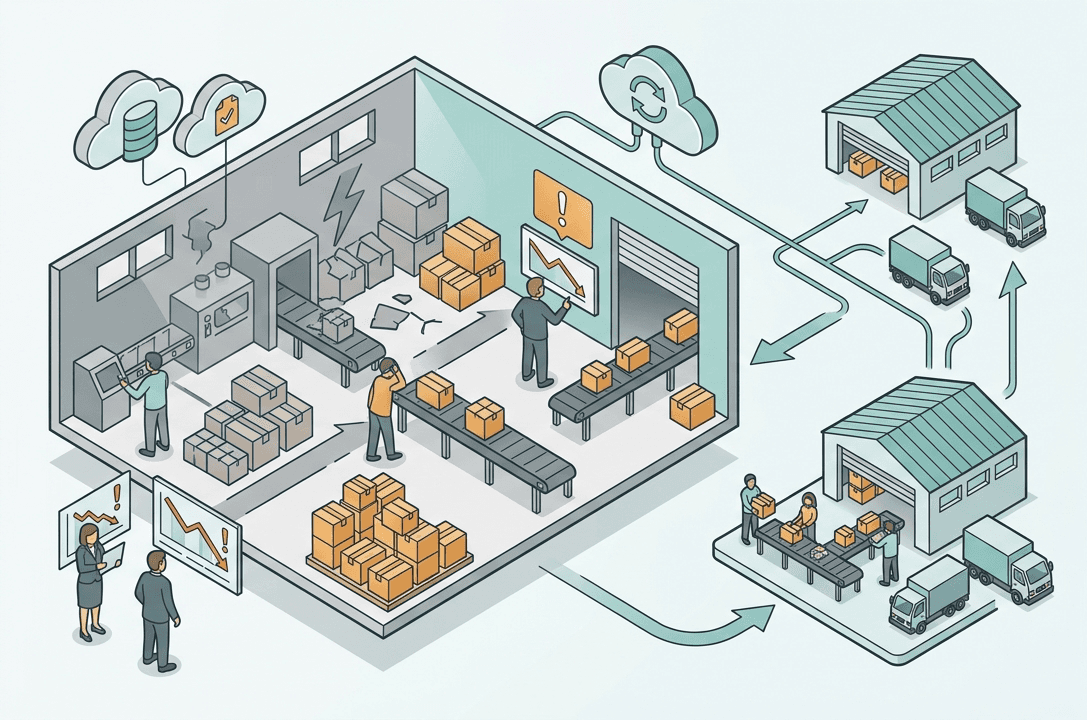
Fulfillment disaster recovery works by maintaining split inventory across geographically separated facilities, connected by a unified warehouse management system that can dynamically reroute orders. When a primary facility goes offline, the system automatically directs new orders to the backup location, keeping fulfillment running while the disrupted facility recovers.
How much inventory should I keep at each 3PL location for redundancy?
The right split depends on your order geography. Most brands allocate inventory proportionally to regional demand, with a buffer of 15 to 25 percent at each location to handle failover surges. For example, if 55% of orders go to the East Coast, you might hold 55% in your eastern facility and 45% in your western one, with safety stock at both.
Is 3PL geographic redundancy worth the cost for mid-size brands?
Yes. For brands doing over seven figures in annual revenue, the cost of maintaining split inventory across two locations is typically far less than the revenue lost during even a single multi-day fulfillment disruption. Beyond disaster recovery, dual-coast inventory also reduces average shipping costs and transit times, making it a net positive investment.
What is the difference between warehouse redundancy and carrier diversification?
Warehouse redundancy means having fulfillment facilities in multiple geographic regions so operations can continue if one location is disrupted. Carrier diversification means using multiple shipping carriers at each location so that a disruption to one carrier network does not halt deliveries. Both are essential components of a complete fulfillment continuity plan.
Ready to Simplify Your Fulfillment?
Let's build a custom pricing model for your brand. No contracts required to start the conversation.