Dangerous Goods Fulfillment: Hazmat Shipping Rules and 3PL Requirements

Michael DeSarno
8 min read
Fulfillment Operations
Share
KEY TAKEAWAYS
• Everyday consumer products (aerosols, lithium batteries, perfumes, supplements) often qualify as DOT/IATA dangerous goods requiring specialized fulfillment.
• Hazmat 3PLs must have DOT registration, UN-rated packaging, certified staff, carrier hazmat agreements, and dedicated warehouse infrastructure.
• DOT fines for hazmat shipping violations can reach $500,000+ per violation, with potential criminal penalties and carrier account suspension.
• ShipDudes operates from 2 NJ and 2 Las Vegas warehouses with compliance infrastructure for regulated CPG, beauty, supplement, and electronics brands.
Last Updated:
Your product works great. Customers love it. But it contains lithium batteries, an aerosol propellant, alcohol, or a flammable fragrance compound. Now, suddenly, your fulfillment operation is ten times more complicated.
Dangerous goods fulfillment is one of the most misunderstood areas in eCommerce logistics. Brands selling beauty products, supplements, electronics, cleaning supplies, and even certain food items often discover mid-scale that their products qualify as hazardous materials under DOT and IATA regulations. The consequences of getting this wrong range from hefty fines to criminal liability, and at minimum, your shipments getting rejected by carriers.
This guide breaks down what you actually need to know about hazmat shipping, the warehouse and 3PL requirements involved, and how to evaluate whether your fulfillment partner is truly equipped to handle regulated products.
What Counts as "Dangerous Goods" in Fulfillment?
First, let's clear up a common misconception. "Dangerous goods" doesn't just mean industrial chemicals or explosives. In the fulfillment world, a surprising number of everyday consumer products fall under hazmat classification.
The Department of Transportation (DOT) defines nine classes of hazardous materials. Here are the ones that most commonly affect CPG and DTC brands:
- Class 2 (Gases): Aerosol sprays, compressed air products, butane-based items
- Class 3 (Flammable Liquids): Perfumes, nail polish, alcohol-based sanitizers, certain cleaning products
- Class 4 (Flammable Solids): Some cosmetic powders and chemical compounds
- Class 8 (Corrosives): Battery acid, certain skincare acids, industrial cleaners
- Class 9 (Miscellaneous): Lithium batteries (both ion and metal), magnetized materials, dry ice
If you sell [beauty products](https://shipdudes.com/blog/beauty-product-fulfillment), [supplements](https://shipdudes.com/blog/supplement-fulfillment-fda-compliance-lot-tracking-and-expiration-management), [beverages with alcohol content](https://shipdudes.com/blog/beverage-fulfillment-challenges-glass-liquid-restrictions-and-shipping-solutions), or [small electronics](https://shipdudes.com/blog/electronics-fulfillment-handling-fragile-tech-products-and-components), there is a real chance at least some of your SKUs are classified as dangerous goods. Ignoring this doesn't make the regulations go away. It just means your first violation will be a painful surprise.
The Regulatory Framework You Need to Understand
Dangerous goods fulfillment operates under overlapping regulatory bodies, and your 3PL needs to be fluent in all of them:
DOT (Department of Transportation): Governs ground shipping of hazardous materials within the US. Requires proper classification, packaging, labeling, and documentation (shipping papers) for all hazmat shipments.
IATA (International Air Transport Association): Sets the rules for air freight. These are stricter than ground rules. Many products that can ship ground without restriction become fully regulated when going by air.
OSHA: Governs warehouse safety and employee training requirements for facilities handling hazardous materials.
EPA: Relevant for storage and disposal of certain chemical products.
For brands shipping through carriers like UPS, FedEx, and USPS, each carrier also layers its own restrictions on top of federal regulations. UPS and FedEx require shippers to be certified and registered in their hazmat programs. USPS has outright bans on many hazmat categories. Understanding [carrier diversification](https://shipdudes.com/blog/3pl-carrier-diversification-why-single-carrier-strategies-fail-during-peak-season) becomes even more critical when you are shipping regulated products, because not every carrier will accept every product class.
Warehouse Requirements for a Dangerous Goods Warehouse
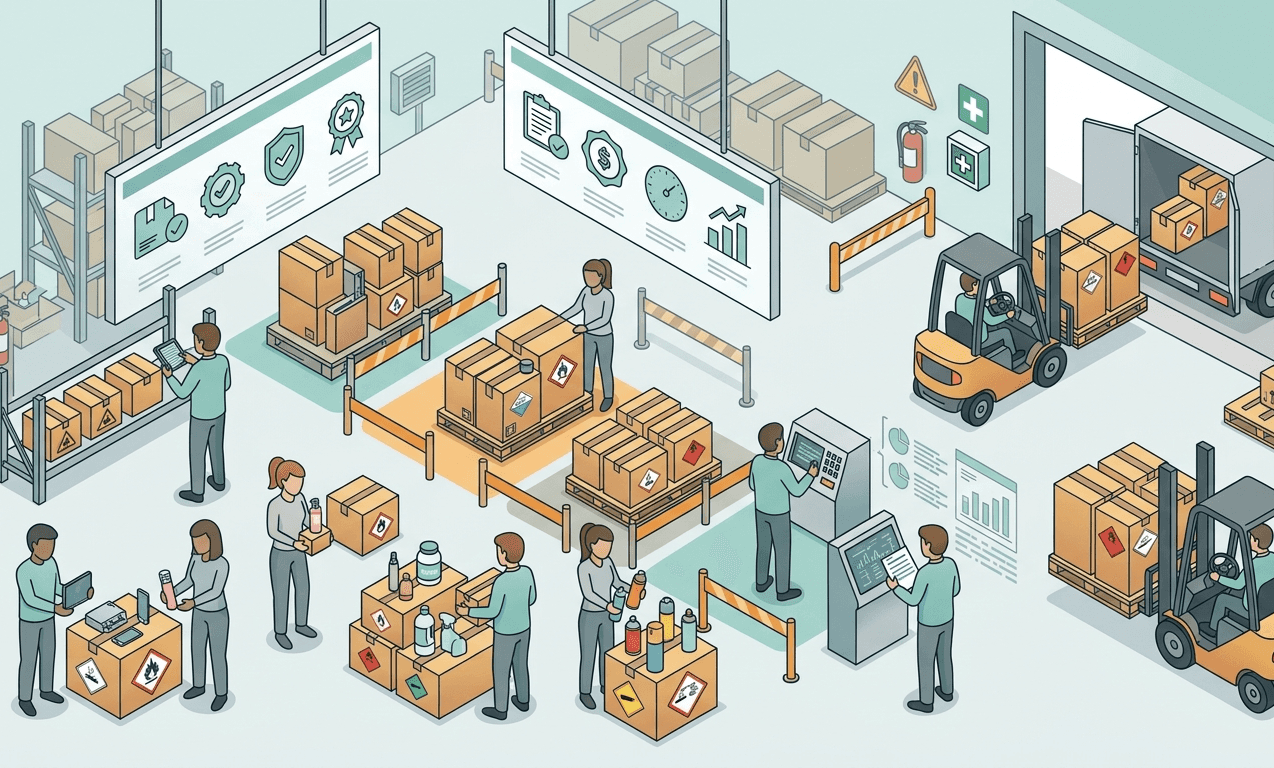
Storing hazardous materials isn't as simple as putting them on a shelf next to your other inventory. A compliant dangerous goods warehouse must meet specific standards:
Segregation and Compatibility: Certain hazmat classes cannot be stored near each other. Flammable liquids and oxidizers, for example, must be kept apart. Your warehouse needs designated zones with proper separation distances.
Ventilation and Climate Control: Many hazardous products require specific temperature ranges and adequate ventilation to prevent vapor buildup. If you are already working with a [food fulfillment center](https://shipdudes.com/blog/food-fulfillment-center-requirements-fda-compliance-and-safe-storage) or a partner that handles climate-sensitive products, they may already have some of this infrastructure, but hazmat storage takes it a step further.
Fire Suppression: Enhanced fire suppression systems (beyond standard sprinklers) are often required for facilities storing flammable goods. This includes chemical-specific suppression agents and containment systems for liquid spills.
Spill Containment: Secondary containment systems (berms, trays, sealed floors) must be in place to prevent hazardous materials from reaching drains or the ground in case of a spill.
Signage and Safety Equipment: Proper placarding on storage areas, accessible MSDS/SDS sheets, eyewash stations, and appropriate PPE must all be readily available.
This is why not every [3PL](https://shipdudes.com/blog/what-is-a-3pl) can handle dangerous goods. The infrastructure investment is significant, and cutting corners creates real liability for both the warehouse operator and the brand.
Hazmat Compliance Fulfillment: The Pick, Pack, and Ship Process
Beyond storage, the actual fulfillment workflow for hazardous materials has additional requirements that standard [pick and pack fulfillment](https://shipdudes.com/blog/pick-and-pack-fulfillment) doesn't cover.
Proper Packaging: DOT specifies packaging requirements by hazmat class. Some products require UN-rated packaging (containers that have been tested and certified for hazardous materials). Inner packaging, absorbent materials, and cushioning requirements vary by product.
Labeling and Marking: Every package containing dangerous goods must display the correct hazard class label, proper shipping name, UN number, and any required orientation arrows or handling marks. Mislabeling is one of the most common violations.
Documentation: Hazmat shipments require shipping papers (or dangerous goods declarations for air freight) that include specific information about the materials being shipped. These documents must accompany the shipment and be accessible to the driver or pilot.
Employee Training and Certification: Anyone who handles, packages, or offers hazardous materials for transportation must have current hazmat training. This includes initial training plus recertification every three years under DOT rules (every two years for IATA). Your [fulfillment center's quality control](https://shipdudes.com/blog/3pl-quality-control-systems-how-to-prevent-order-errors-before-they-reach-customers) systems need to account for these specialized protocols.
Quantity Limitations: Both ground and air carriers impose quantity limits per package and per vehicle. Your 3PL must track cumulative quantities to avoid exceeding these limits, especially during high-volume periods like [peak season](https://shipdudes.com/blog/peak-season-fulfillment-strategy).
What to Look for in a Hazmat Shipping 3PL
If your products fall under dangerous goods classification, choosing the right 3PL partner is not optional. Here is what to evaluate:
1. Active Hazmat Certifications: Ask to see their DOT registration, carrier hazmat agreements, and employee training records. If they hesitate, walk away.
2. Experience with Your Product Category: A 3PL that has handled aerosol beauty products is not automatically qualified to handle lithium batteries. Make sure they have direct experience with your specific hazmat class.
3. Carrier Relationships: Since not all carriers accept all hazmat classes, your 3PL needs established relationships with carriers that can move your specific products. This is where working with a partner that has strong carrier diversification matters.
4. Insurance Coverage: Standard warehouse insurance often excludes hazardous materials. Your 3PL should carry specific hazmat liability coverage. When [negotiating your 3PL contract](https://shipdudes.com/blog/3pl-contract-red-flags-12-terms-that-will-cost-you-(and-what-to-negotiate-instead)), make sure you understand exactly what is and isn't covered.
5. Incident Response Plans: What happens if there is a spill, a leak, or a fire? Your 3PL should have documented, practiced response plans specific to the materials they store.
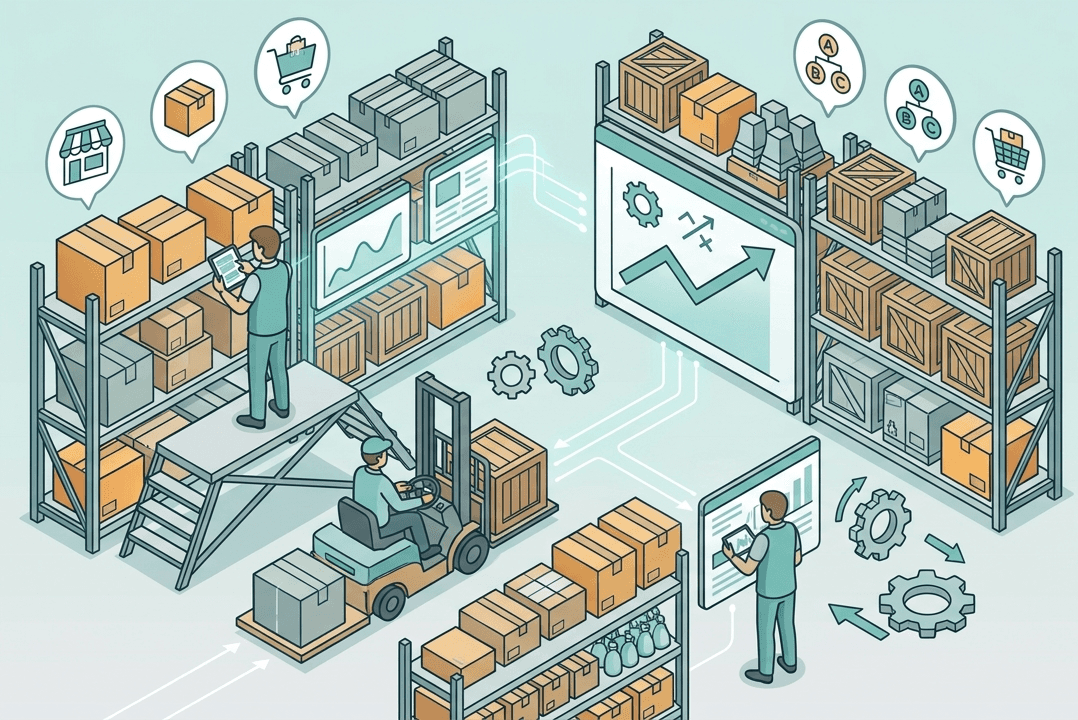
6. Technology for Compliance Tracking: The best hazmat shipping 3PLs use warehouse management systems that flag regulated SKUs, enforce packaging rules, and automatically generate required documentation. Manual processes create compliance gaps. A solid [3PL inventory management system](https://shipdudes.com/blog/3pl-inventory-management-systems-real-time-visibility-and-control) should have these capabilities built in.
The Cost of Getting Hazmat Fulfillment Wrong
Let's talk about what's at stake. DOT fines for hazmat violations can reach $500,000 or more per violation. Criminal penalties can include prison time. Beyond the fines, a single violation can result in:
- Carrier account suspension (meaning you literally cannot ship)
- Product seizure and destruction
- Brand reputation damage if an incident causes injury
- Marketplace suspension on platforms like Amazon
When [damaged inventory](https://shipdudes.com/blog/when-fulfillment-goes-wrong-how-to-handle-damaged-inventory-and-shipping-claims) involves hazardous materials, the cleanup and liability exposure multiply exponentially.
How ShipDudes Approaches Regulated Products
At ShipDudes, we work with brands across beauty, supplements, beverages, and CPG categories, many of which include SKUs with hazmat classifications. Our dual-coast warehouse network in [New Jersey](https://shipdudes.com/blog/new-jersey-3pl-fulfillment-why-nj-is-the-strategic-hub-for-east-coast-dtc-brands) and [Las Vegas](https://shipdudes.com/blog/las-vegas-3pl-fulfillment-the-west-coast-hub-smart-dtc-brands-are-choosing) supports [omnichannel fulfillment](https://shipdudes.com/blog/omnichannel-fulfillment) with the compliance infrastructure that regulated products require.
Because we were founded by eCommerce operators who lived through the pain of working with fulfillment partners that over-promised and under-delivered, we are honest about capabilities and limitations. If a product requires certifications or infrastructure we do not currently support, we will tell you upfront rather than taking it on and creating risk for your business.
Our all US-based team handles compliance questions directly, with no overseas support layers creating communication delays on time-sensitive regulatory matters. That matters when you need a straight answer about whether a product can ship by air or needs ground-only routing.
FAQ: Dangerous Goods Fulfillment
Q: How do I know if my product is classified as a dangerous good?
A: Check your product's Safety Data Sheet (SDS). Section 14 covers transportation information and will indicate hazmat classification. If your product contains lithium batteries, flammable liquids, aerosol propellants, or corrosive compounds, it likely qualifies. When in doubt, consult a hazmat classification specialist before shipping.
Q: Can all 3PLs handle hazardous materials fulfillment?
A: No. Most 3PLs do not have the warehouse infrastructure, employee certifications, or carrier agreements required for hazmat compliance fulfillment. Always verify active DOT registration, hazmat training records, and carrier-specific hazmat agreements before signing a contract.
Q: What is the difference between ORM-D and fully regulated hazmat?
A: ORM-D (Other Regulated Materials, Domestic) was a classification for consumer commodities that allowed simplified shipping. DOT has largely transitioned to the "Limited Quantity" designation, which still allows some regulatory relief (smaller packaging, simplified labeling) but still requires proper training and documentation.
Q: Can hazardous materials ship via air?
A: Some can, under strict IATA rules. Many products that ship freely by ground become heavily restricted or prohibited by air. Lithium batteries, for example, have very specific air shipping limitations. Your 3PL must understand both ground and air regulations to route shipments correctly.
Q: Does Amazon allow hazmat products through FBA or FBM?
A: Amazon has a specific hazmat review process. Products must be approved before they can be stored in FBA facilities. For [FBM (Fulfilled by Merchant)](https://shipdudes.com/blog/amazon-fbm), you are responsible for full compliance. Working with a qualified hazmat shipping 3PL is the safest route for selling regulated products on Amazon.
Don't Leave Compliance to Chance
Dangerous goods fulfillment requires real expertise, not just a willingness to accept your inventory. If your products carry hazmat classifications, your 3PL partner needs certified staff, compliant infrastructure, and carrier relationships that can actually move your products legally and safely.
ShipDudes works with CPG brands shipping regulated products across beauty, supplements, beverages, and electronics. If you are scaling a product line that includes hazmat SKUs and need a fulfillment partner that understands the compliance requirements, [book a call with ShipDudes](https://shipdudes.com/book-a-call) to talk through your specific needs.
Ready to Simplify Your Fulfillment?
Let's build a custom pricing model for your brand. No contracts required to start the conversation.