
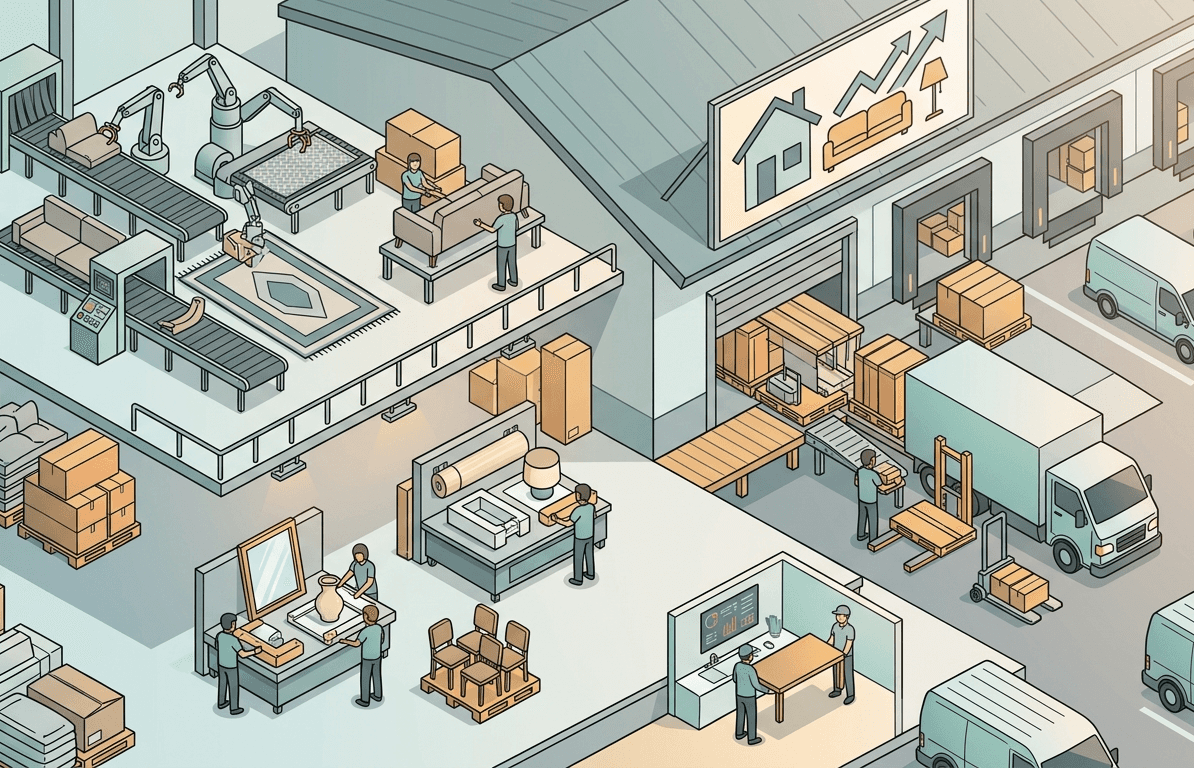
Home Goods Fulfillment: Large Item Logistics and White Glove Delivery

Michael DeSarno
8 min read
Industry Guides
Share
KEY TAKEAWAYS
• Home goods fulfillment requires specialized 3PL capabilities: oversized storage, fragile item packaging, LTL freight, and white glove delivery coordination.
• White glove delivery means room-of-choice placement, unboxing, light assembly, and pre-departure inspection, not just carrying a box inside.
• Dual-coast warehousing (NJ + Las Vegas) dramatically cuts DIM weight costs and transit times for oversized home goods shipping.
• Evaluate large item 3PLs on warehouse configuration, packaging expertise, carrier diversification, QC systems, and EDI-compliant B2B distribution.
Last Updated:
Selling home goods online is booming. Furniture, decor, kitchenware, and oversized accessories are flying off digital shelves. But here is the uncomfortable truth that every home goods brand eventually learns: the fulfillment side of this business is nothing like shipping a supplement bottle or a beauty kit.
Home goods fulfillment introduces a set of challenges that most standard 3PLs are not built to handle. We are talking about oversized SKUs, fragile materials, complex packaging requirements, freight shipping, and customer expectations that often include white glove delivery. If your fulfillment partner treats a 60-pound mirror the same as a box of protein bars, you are going to bleed money on damage claims and chargebacks.
This guide breaks down what home goods brands need from their logistics operation, what "white glove" actually means in practice, and how to evaluate whether a large item 3PL can truly support your growth.
Why Home Goods Fulfillment Is Different
Let's start with the obvious: size and weight. Home goods SKUs frequently exceed standard parcel dimensions. A table lamp might ship in a standard box, but a sectional sofa component, a floor mirror, or a set of ceramic dinnerware each presents its own packaging and handling puzzle.
Here is what makes home goods fulfillment uniquely complex:
Dimensional weight pricing destroys margins. Carriers charge based on whichever is greater: actual weight or dimensional weight. Oversized home goods almost always trigger DIM weight surcharges. If your 3PL is not actively optimizing box sizes and packaging configurations, you are paying more than you should on every single shipment.
Damage rates are higher. Glass, ceramic, wood veneer, upholstery: these materials do not forgive rough handling. A damaged item does not just cost you the product. It costs you return shipping, a replacement, customer service time, and often the customer relationship. When fulfillment goes wrong, the financial impact compounds quickly. Understanding [how to handle damaged inventory and shipping claims](https://shipdudes.com/blog/when-fulfillment-goes-wrong-how-to-handle-damaged-inventory-and-shipping-claims) is essential for any home goods brand.
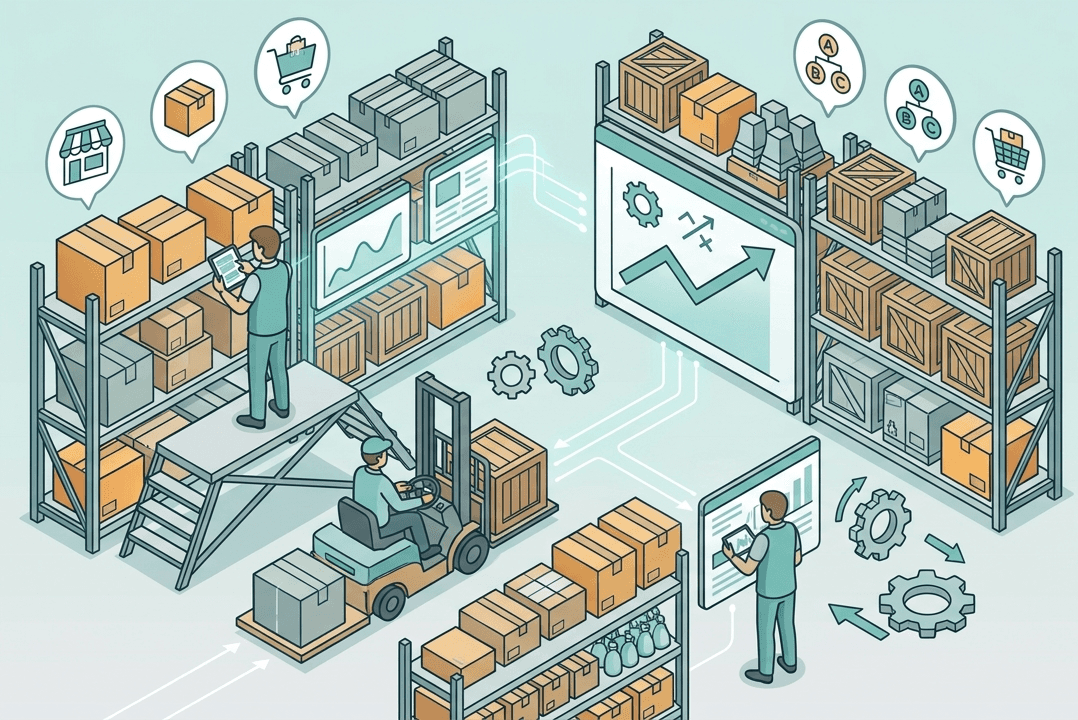
Storage costs add up fast. Oversized items consume more warehouse cubic footage per unit. If your 3PL charges per pallet position or per square foot, a single SKU of large furniture can eat through your storage budget. Smart [inventory forecasting](https://shipdudes.com/blog/inventory-forecasting-for-multi-channel-brands-preventing-stockouts-across-all-sales-channels) becomes critical to avoid warehousing excess stock while still preventing stockouts.
Returns are a nightmare. A customer returning a throw pillow is manageable. A customer returning an assembled bookshelf or a 45-pound area rug is a logistical headache. Your [returns management process](https://shipdudes.com/blog/returns-management-3pl) needs to account for inspection, repackaging, and determining whether an item can be resold or must be written off.
What White Glove Fulfillment Actually Means
The term "white glove fulfillment" gets thrown around loosely in the logistics world. For some providers, it just means they will carry the box inside the front door instead of leaving it on the porch. That is not white glove. That is basic courtesy.
True white glove delivery for home goods typically includes:
- Room of choice delivery: The item is carried to the specific room the customer designates, not just inside the front door.
- Unboxing and packaging removal: The delivery team unpacks the item, removes all packaging materials, and takes the debris with them.
- Light assembly: For furniture items, this might mean attaching legs to a sofa, connecting shelving units, or mounting hardware.
- Inspection before departure: The team checks the item for damage and confirms with the customer that everything looks right before leaving.
White glove fulfillment commands higher price points from consumers, but it also demands a significantly more capable logistics operation. You need trained delivery crews, specialized vehicles, scheduling coordination with end customers, and a process for handling issues on-site.
Not every home goods brand needs full white glove service. If you are selling candles, small decor items, or kitchenware, standard parcel fulfillment through a reliable [pick and pack operation](https://shipdudes.com/blog/pick-and-pack-fulfillment) will serve you well. The key is matching your fulfillment model to your product profile and customer expectations.
The Large Item 3PL Checklist
When evaluating a large item 3PL for your home goods brand, here are the non-negotiable capabilities to look for:
1. Warehouse Configuration for Oversized Goods
Standard racking designed for shoebox-sized items will not work for furniture components, rolled rugs, or boxed lighting fixtures. Your 3PL needs floor storage areas, wide aisles for forklift access, and racking systems that accommodate non-standard dimensions. Ask specifically how they handle SKUs that do not fit on a standard 48x40 pallet.
2. Packaging Expertise
For fragile home goods, packaging is not an afterthought. It is the primary defense against damage claims. Your 3PL should be able to advise on (or execute) custom packaging solutions: corner protectors, foam inserts, double-boxing for glass items, and stretch wrapping for furniture. Brands that invest in [custom packaging and branded fulfillment](https://shipdudes.com/blog/custom-packaging-and-branded-fulfillment-elevate-your-unboxing-experience) see lower damage rates and better unboxing experiences.
3. Carrier Diversification
Large items often require LTL (less-than-truckload) freight carriers, which operate very differently from parcel carriers like UPS or FedEx. Your 3PL should maintain relationships with multiple freight carriers and have the ability to route shipments based on size, weight, destination, and service level. A [single-carrier strategy will fail you](https://shipdudes.com/blog/3pl-carrier-diversification-why-single-carrier-strategies-fail-during-peak-season), especially during peak season when capacity gets tight.
4. Quality Control Systems
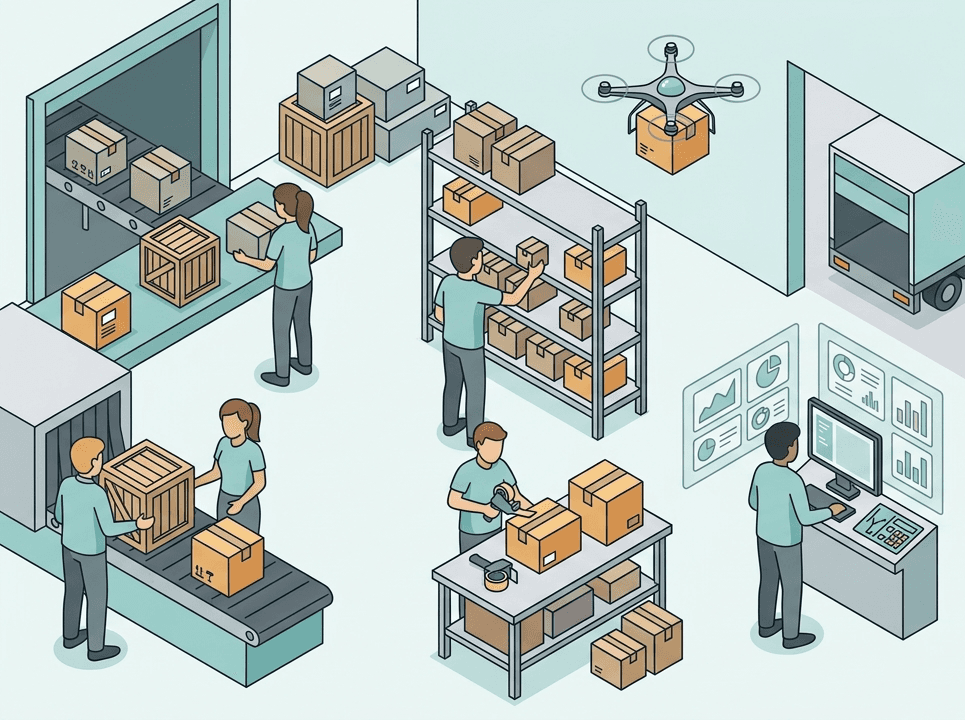
With high-value, fragile items, QC is not optional. Every unit should be inspected during the [warehouse receiving process](https://shipdudes.com/blog/warehouse-receiving-process) to catch manufacturer damage before it ever reaches a customer. Your 3PL also needs [quality control systems](https://shipdudes.com/blog/3pl-quality-control-systems-how-to-prevent-order-errors-before-they-reach-customers) at the pack station to verify correct items, quantities, and packaging integrity before a shipment leaves the building.
5. Dual-Coast Warehousing
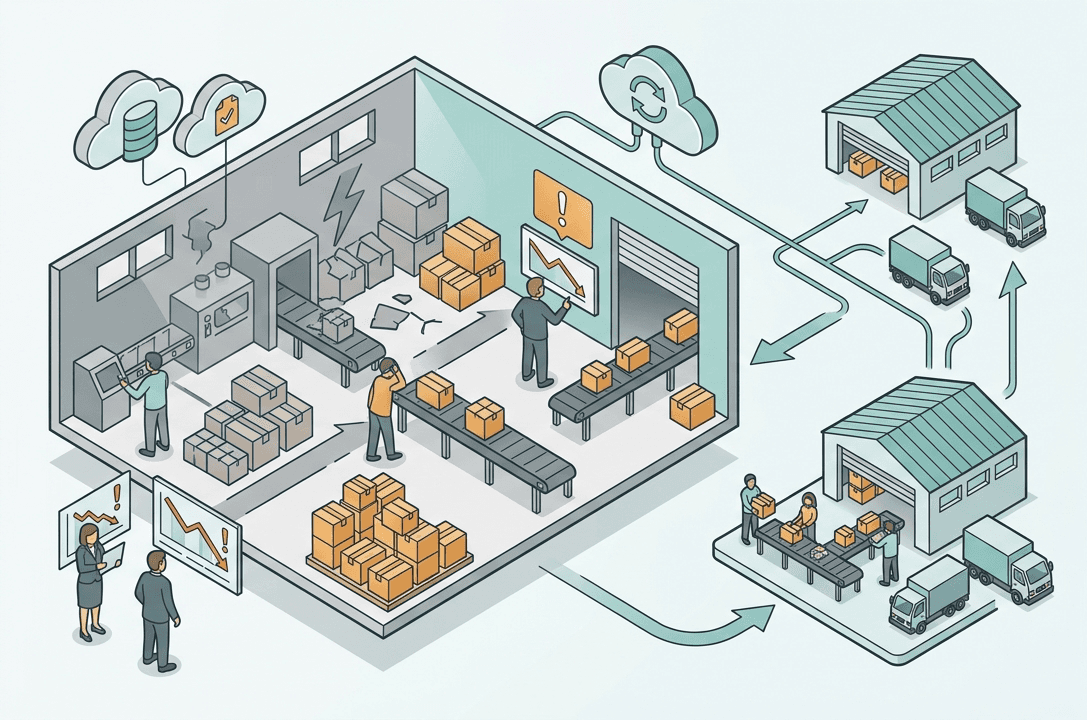
Shipping a 40-pound box of dinnerware from New Jersey to California is expensive. Shipping that same box from a Las Vegas warehouse cuts transit time and cost significantly. A [dual-coast fulfillment setup](https://shipdudes.com/blog/nationwide-3pl-fulfillment-why-a-two-coast-setup-beats-a-single-warehouse) is especially valuable for home goods brands because the savings on dimensional weight and freight charges scale with product size. ShipDudes operates facilities on both coasts (Northern New Jersey and Las Vegas) specifically to help brands reduce shipping costs and transit times for nationwide coverage.
6. B2B and Retail Distribution
Many home goods brands sell both DTC and wholesale. If you are fulfilling orders for retailers like Target, Wayfair, or specialty home stores, your 3PL must handle [EDI-compliant B2B distribution](https://shipdudes.com/blog/b2b-order-fulfillment-edi-integration-and-retail-distribution-essentials). Retail chargebacks for non-compliant shipments are brutal, and they hit home goods brands particularly hard because order values tend to be higher.
Shipping Cost Optimization for Oversized Items
Shipping costs can make or break a home goods brand. Here are practical strategies that the best large item 3PLs employ:
Zone skipping: Consolidating shipments headed to the same region and injecting them closer to the destination zone. This is especially impactful for heavy or oversized goods. Learn more about [how smart 3PLs use zone skipping to cut costs](https://shipdudes.com/blog/zone-skipping-fulfillment-how-smart-3pls-cut-shipping-costs-beyond-dual-coast).
Right-sizing packaging: Every extra inch of box dimension costs money on DIM weight. A 3PL that actively right-sizes packaging for each SKU can save thousands per month on a home goods catalog. General [shipping cost optimization](https://shipdudes.com/blog/shipping-cost-optimization) principles apply doubly for oversized products.
Freight consolidation: For B2B orders, combining multiple SKUs into palletized shipments reduces per-unit freight costs compared to shipping individual cartons.
Strategic inventory placement: Splitting inventory between East and West Coast warehouses based on demand patterns. ShipDudes helps brands analyze order data to determine the optimal inventory split across their New Jersey and Las Vegas facilities.
Kitting and Assembly for Home Goods
Home goods brands frequently need [kitting and assembly services](https://shipdudes.com/blog/kitting-and-assembly-services). Think gift sets (candle plus diffuser plus tray), furniture bundles, or seasonal decor collections. Your 3PL should handle [CPG assembly and fulfillment](https://shipdudes.com/blog/cpg-assembly-and-fulfillment-services-kitting-packaging-and-distribution) without requiring you to pre-kit everything at the manufacturer level. This flexibility lets you test new bundle configurations, run promotions, and respond to seasonal demand without massive lead times.
When to Make the Switch
If you are currently self-fulfilling home goods orders from a garage, spare bedroom, or small warehouse, there is a clear inflection point where [switching to a 3PL](https://shipdudes.com/blog/when-to-switch-to-3pl) makes sense. For home goods brands, that point often arrives earlier than expected because of the space requirements, equipment needs (forklifts, pallet jacks), and carrier relationship complexity that oversized items demand.
The [3PL vs. in-house fulfillment](https://shipdudes.com/blog/3pl-vs-in-house-fulfillment) decision is straightforward once you calculate the true cost of warehouse space, labor, equipment, and carrier rates you can negotiate on your own versus what an established 3PL brings to the table.
Choosing the Right Partner
Not every 3PL is built for home goods fulfillment. Before signing any contract, make sure you understand the [pricing model](https://shipdudes.com/blog/fulfillment-pricing-models-comparison-finding-the-right-3pl-cost-structure) and watch for [contract red flags](https://shipdudes.com/blog/3pl-contract-red-flags-12-terms-that-will-cost-you-(and-what-to-negotiate-instead)) that could lock you into unfavorable terms.
ShipDudes works with CPG brands across multiple verticals and understands that home goods fulfillment requires specialized attention to packaging, handling, and shipping optimization. With 75+ platform integrations, dual-coast warehouse locations, [omnichannel fulfillment](https://shipdudes.com/blog/omnichannel-fulfillment) capabilities, and an all US-based team, ShipDudes gives growing home goods brands the infrastructure they need without the complexity they do not.
FAQ
What is home goods fulfillment?
Home goods fulfillment is the warehousing, picking, packing, and shipping of home-related products such as furniture, decor, kitchenware, and oversized accessories. It requires specialized handling due to product size, weight, fragility, and dimensional weight shipping considerations.
What does white glove fulfillment include?
White glove fulfillment typically includes room-of-choice delivery, unboxing the product, removing all packaging materials, light assembly if needed, and inspecting the item with the customer before the delivery team leaves.
How do I reduce shipping costs on large home goods items?
Key strategies include using a dual-coast warehouse network to reduce shipping zones, right-sizing packaging to minimize dimensional weight charges, consolidating freight shipments, and working with a 3PL that maintains multiple carrier relationships for competitive LTL rates.
Do I need a specialized 3PL for furniture fulfillment?
Yes, in most cases. Standard 3PLs designed for small parcel eCommerce often lack the warehouse configuration, equipment, carrier relationships, and packaging expertise needed for furniture and oversized home goods. Look for a large item 3PL with experience handling fragile and oversized SKUs.
Can a 3PL handle both DTC and wholesale home goods orders?
The right 3PL can. Look for a partner with EDI compliance for retail distribution, along with DTC pick and pack capabilities. ShipDudes handles both B2B retail distribution and direct-to-consumer fulfillment from the same warehouse network.
Ready to Fix Your Home Goods Fulfillment?
If your current setup is costing you in damage claims, inflated shipping bills, or late deliveries, it is time to talk to a fulfillment partner who understands the unique demands of home goods logistics. ShipDudes helps CPG brands scale with dual-coast warehousing, 75+ platform integrations, and a US-based team that actually picks up the phone.
[Book a call with ShipDudes](https://shipdudes.com/book-a-call) and let's map out a fulfillment strategy built for your product catalog.
Ready to Simplify Your Fulfillment?
Let's build a custom pricing model for your brand. No contracts required to start the conversation.