Inventory Allocation Strategies: How Multi-Channel Brands Prevent Stock Conflicts

Michael DeSarno
8 min read
Inventory Management
Share
KEY TAKEAWAYS
• Four inventory allocation models (dedicated, shared pool, percentage-based, priority-based dynamic) prevent overselling across channels.
• Priority-based dynamic allocation is the gold standard: automated rules restrict lower-priority channels as stock drops.
• Real-time inventory sync is non-negotiable; even a 15-minute data lag exposes you to overselling.
• Written stock allocation rules covering channel priority, threshold triggers, and exception handling are operational protocols, not suggestions.
Last Updated:
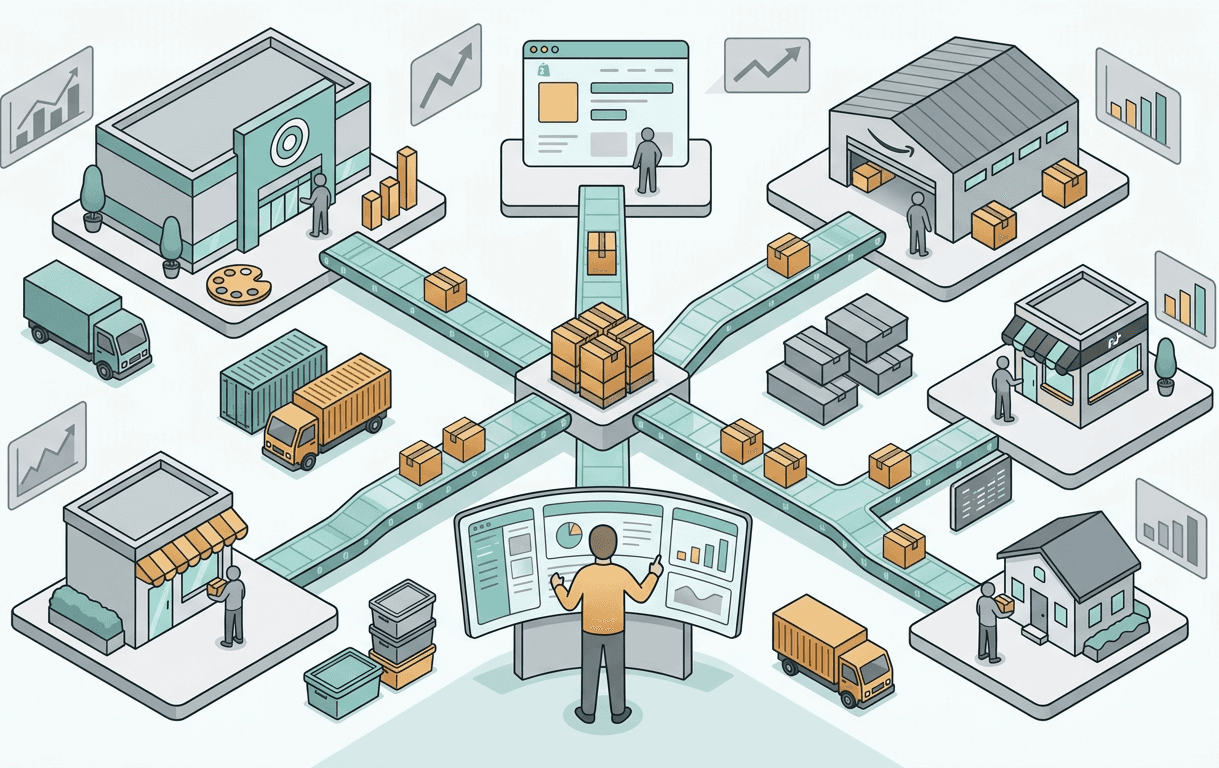
You have 500 units of your best-selling SKU sitting in a warehouse. Shopify wants them. Amazon wants them. TikTok Shop wants them. Your wholesale buyer at Target just sent a PO for 200 of them. And you have a flash sale going live on your DTC site tomorrow.
Without a clear inventory allocation strategy, you are one viral moment away from overselling on two channels simultaneously, canceling orders, tanking your seller ratings, and losing customers who will never come back.
This is the reality for every CPG brand selling across multiple channels. The brands that scale successfully are not just the ones with the best products. They are the ones with the tightest inventory allocation strategies. Here is how to build yours.
Why Multi-Channel Inventory Management Breaks Down
The core problem is deceptively simple: you have one pool of physical inventory and multiple channels competing for it. Each channel has different velocity patterns, different fulfillment requirements, and different penalties for stockouts.
Amazon will suppress your listing if you go out of stock. TikTok Shop will kill your momentum if a viral video hits and you cannot fulfill. Wholesale buyers will charge you chargebacks for short shipments. Your DTC site will generate refund requests and negative reviews.
Most brands start by eyeballing it. They check inventory levels once a day, maybe twice, and manually adjust listings when things look tight. That works when you are doing 50 orders a day across two channels. It falls apart completely at 500 orders a day across five channels.
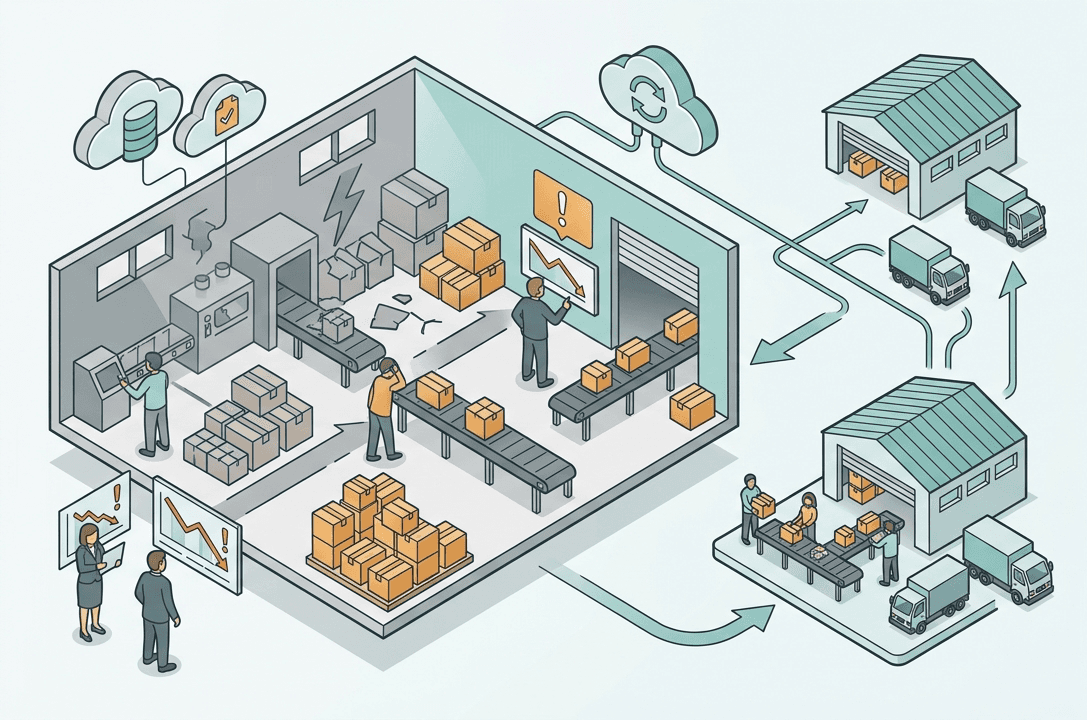
The gap between "we can manage this manually" and "we just oversold 300 units" is smaller than you think. And it usually shows up at the worst possible time, during a promotion or peak season.
The Four Core Inventory Allocation Strategies
There is no single right approach. The best inventory allocation strategies depend on your channel mix, product catalog, and growth stage. Here are the four models that actually work.
1. Dedicated Channel Allocation
This is the simplest model. You assign a fixed number of units to each channel. If you have 1,000 units, maybe 400 go to Amazon, 300 to Shopify DTC, 200 to wholesale, and 100 to TikTok Shop.
The upside: zero channel conflicts. Each channel can only sell what is allocated to it.
The downside: inefficiency. If Amazon sells through its allocation in a week but your TikTok Shop allocation sits untouched, you have idle inventory on one channel and missed sales on another.
This model works best for brands with predictable, stable demand across channels, or brands just starting to sell on a new platform and wanting to limit risk.
2. Shared Pool with Safety Stock
All channels draw from a single inventory pool, but you set safety stock thresholds that trigger listing deactivation before you actually hit zero. For example, you might set a buffer of 50 units. When available inventory drops to 50, lower-priority channels get paused while your highest-margin channel keeps selling.
This maximizes sell-through but requires real-time [multi-channel inventory sync](https://shipdudes.com/blog/multi-channel-inventory-sync-how-to-prevent-overselling-across-shopify-amazon-and-tiktok-shop) to work. If your inventory data lags even 15 minutes, you are exposed to overselling.
At ShipDudes, we see this model work well for brands with 75+ integrations feeding into a unified inventory system. The key is that your 3PL's warehouse management system updates in real time, not on batch cycles.
3. Percentage-Based Allocation
Instead of fixed unit counts, you allocate percentages of available inventory to each channel. Amazon gets 40%, DTC gets 30%, wholesale gets 20%, and marketplaces get 10%. As total inventory fluctuates (new shipments arrive, units sell), each channel's available count adjusts automatically.
This is more dynamic than dedicated allocation but still creates guardrails. The percentages should be based on historical channel velocity and margin contribution, not gut feel. If your [inventory forecasting](https://shipdudes.com/blog/inventory-forecasting-for-multi-channel-brands-preventing-stockouts-across-all-sales-channels) is solid, the percentages can be tuned monthly based on actual sell-through data.
4. Priority-Based Dynamic Allocation
This is the most sophisticated model. All inventory is shared, but stock allocation rules define a priority hierarchy. When inventory drops below certain thresholds, lower-priority channels get restricted first.
For example, your rules might look like this: above 500 units, all channels are active. Between 200 and 500 units, TikTok Shop and secondary marketplaces get paused. Below 200 units, only DTC and Amazon remain active. Below 50 units, only DTC stays live (because you control the customer experience and can manage expectations).
This model requires strong [3PL technology integration](https://shipdudes.com/blog/3pl-technology-integration-apis-webhooks-and-real-time-data-sync) with automated rules that trigger without manual intervention. It is the gold standard for brands doing high volume across many channels.
Building Your Stock Allocation Rules
Regardless of which model you choose, you need written stock allocation rules. These are not suggestions. They are operational protocols that your team (and your 3PL) follows without exception.
Here is what your rules should cover:
Channel priority ranking. List every active sales channel in order of priority. Base this on margin contribution, strategic importance, and penalty severity for stockouts. Amazon often ranks high because listing suppression is brutal. DTC often ranks high because margins are best. Wholesale often gets protected because chargebacks and relationship damage are expensive.
Threshold triggers. Define the exact inventory levels where allocation rules change. These should be SKU-specific. Your hero product with 10,000 units per month velocity needs different thresholds than a slow-moving accessory.
Rebalancing frequency. How often do you review and adjust allocations? Monthly is the minimum. Weekly is better during peak season or product launches.
Exception handling. What happens when a [flash sale](https://shipdudes.com/blog/flash-sale-fulfillment-handling-sudden-order-volume-spikes) is planned? What about a new wholesale PO that was not in the forecast? Define the approval process for overriding standard allocation rules.
Channel Inventory Optimization in Practice
The theory is clean. The execution is messy. Here is where most brands get tripped up and how to avoid it.
Problem: Amazon FBA inventory is a black box. Units sitting in Amazon's warehouses are not available for other channels. If you send too much to FBA, you starve your DTC and wholesale channels. If you send too little, you lose the Buy Box.
Solution: Use a hybrid approach. Keep a portion of Amazon inventory as [FBA prep](https://shipdudes.com/blog/amazon-fba-prep) ready in your 3PL's warehouse, and use [Seller Fulfilled Prime or FBM](https://shipdudes.com/blog/amazon-fbm) as a backup. This keeps more inventory in your shared pool while maintaining Amazon performance.
Problem: B2B and DTC compete for the same SKUs. A large retail PO can wipe out your DTC availability overnight.
Solution: Separate your [B2B fulfillment](https://shipdudes.com/blog/b2b-order-fulfillment-edi-integration-and-retail-distribution-essentials) inventory planning from DTC. When a wholesale PO comes in, immediately reserve those units and adjust DTC availability before the order even ships.
Problem: Subscription boxes lock up inventory weeks in advance. If you run a [subscription box program](https://shipdudes.com/blog/subscription-box-fulfillment-complete-guide-for-recurring-revenue-brands), those units need to be reserved ahead of the billing cycle, not when orders generate.
Solution: Treat subscription inventory as a separate allocation bucket. Reserve units at the start of each billing cycle based on active subscriber count plus a buffer for new sign-ups.
The Role of Your 3PL in Omnichannel Stock Distribution
Your 3PL is where inventory allocation strategies either work or fall apart. If your fulfillment partner cannot support real-time inventory visibility, automated channel rules, and multi-channel order routing, no allocation strategy will save you.
Here is what to look for:
Real-time inventory counts across all channels. Not batch updates. Not daily syncs. Real-time. ShipDudes integrates with 75+ platforms and maintains live inventory counts so that stock allocation rules actually function as designed.
Dual-coast warehouse distribution. Proper [omnichannel stock distribution](https://shipdudes.com/blog/omnichannel-fulfillment) means positioning inventory where it can serve all channels efficiently. ShipDudes operates from Northern New Jersey and Las Vegas, providing [nationwide coverage](https://shipdudes.com/blog/nationwide-3pl-fulfillment-why-a-two-coast-setup-beats-a-single-warehouse) that supports both DTC speed and B2B distribution requirements.
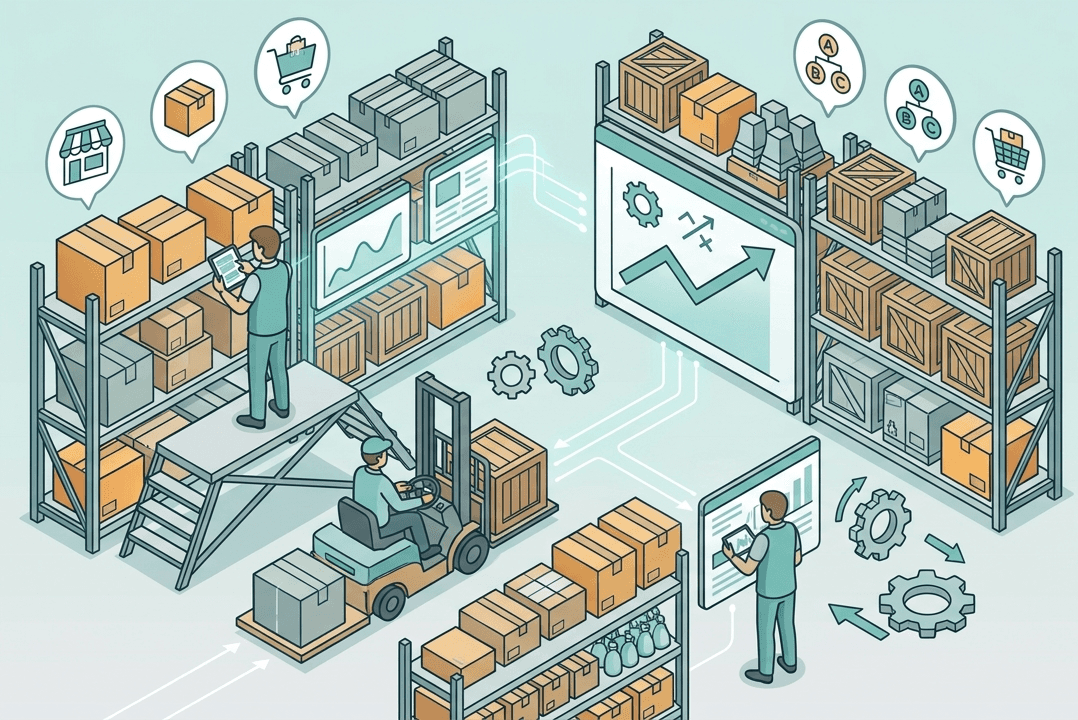
Accurate cycle counting. Your allocation rules are only as good as your inventory data. If physical counts do not match system counts, every allocation decision is based on bad information. Look for a 3PL with disciplined [cycle counting processes](https://shipdudes.com/blog/fulfillment-center-cycle-counting-how-to-maintain-inventory-accuracy-at-scale).
Proactive communication from a US-based team. When inventory levels hit critical thresholds, you need a partner who picks up the phone. Not an overseas support desk that responds in 24 hours. A [US-based fulfillment team](https://shipdudes.com/blog/the-real-cost-of-3pl-overseas-support-why-us-based-teams-matter-for-your-brand) that understands the urgency.
Measuring Allocation Effectiveness
You cannot improve what you do not measure. Track these [performance metrics](https://shipdudes.com/blog/3pl-performance-metrics-that-actually-matter-kpis-beyond-order-accuracy) to know if your inventory allocation strategies are working:
- Oversell rate by channel. How often are you canceling orders due to stock conflicts? This should trend toward zero.
- Channel stockout frequency. How often does each channel go out of stock? Compare against your priority ranking. Low-priority channels should stock out before high-priority ones.
- Inventory turn rate by channel. Is allocated inventory actually selling, or is it sitting idle on one channel while another starves?
- Lost sales estimate. Calculate the revenue you missed because inventory was allocated to a slower channel when a faster one needed it.
Stop Guessing, Start Allocating
If you are still managing multi-channel inventory by feel, you are leaving money on the table and building risk into every sales day. The brands that win at omnichannel are the ones that treat inventory allocation as a core operational discipline, not an afterthought.
ShipDudes works with multi-channel CPG brands across beauty, supplements, beverages, pet products, and more to build allocation strategies that actually hold up under pressure. With dual-coast warehouses, 75+ platform integrations, and an all-US team, we give you the infrastructure to allocate with confidence.
Ready to stop fighting stock conflicts? [Book a call with ShipDudes](https://shipdudes.com/book-a-call) and let's build an allocation strategy that matches your channel mix.
Ready to Simplify Your Fulfillment?
Let's build a custom pricing model for your brand. No contracts required to start the conversation.