Lot Tracking and Traceability: Essential Requirements for CPG Brand Recalls

Michael DeSarno
8 min read
Inventory Management
Share
KEY TAKEAWAYS
• Lot tracking fulfillment links every outbound order to its specific production batch, enabling targeted recalls instead of costly blanket pulls.
• A real lot tracking system requires lot capture at receiving, FEFO pick logic, lot-level storage segregation, and order-level lot association.
• FDA FSMA, cGMP (21 CFR Part 111), and MoCRA all require or strongly recommend lot-level traceability for CPG brands.
• ShipDudes provides native lot tracking across 75+ integrations and 2 NJ plus 2 Las Vegas warehouse facilities.
Last Updated:
Here is the nightmare scenario every CPG founder dreads: you get a call from your co-manufacturer. A batch of your best-selling supplement, snack bar, or skincare serum has a contamination issue. You need to pull every affected unit off the market. Right now.
Your first question: which orders contained that batch?
If your fulfillment partner cannot answer that question in minutes (not days), you have a serious problem. A recall without precise lot tracking fulfillment turns a contained issue into a brand-destroying crisis. You end up pulling far more product than necessary, eating massive costs, and losing consumer trust because you cannot communicate clearly about what is and is not affected.
This is not a hypothetical. The FDA logged over 2,000 recall events in the past year alone. If you are selling food, beverages, supplements, beauty products, or pet products, lot traceability is not optional. It is the infrastructure that separates brands that survive a recall from brands that do not.
Let us break down exactly what lot tracking fulfillment requires, what to demand from your 3PL, and how to build a traceability system that protects your brand, your customers, and your bottom line.
What Lot Tracking Actually Means in a Fulfillment Context
Lot tracking (also called batch tracking) is the practice of assigning a unique identifier to a specific production run of a product and then following that identifier through every stage of the supply chain: manufacturing, warehousing, fulfillment, and delivery to the end customer.
In a warehouse setting, lot tracking fulfillment means your 3PL can answer these questions at any moment:
- Which lot numbers are currently in stock?
- Where are those lots physically located in the warehouse?
- Which customer orders contained units from a specific lot?
- What is the expiration date associated with each lot?
- When was each lot received, and from which supplier or manufacturer?
This goes far beyond basic [inventory management for DTC brands](https://shipdudes.com/blog/inventory-management-for-dtc-brands). Standard inventory systems track SKU quantities. Lot tracking adds a critical layer of granularity: it tracks which specific units of a SKU went where.
For CPG brands, that granularity is the difference between recalling 500 units from a single batch and recalling your entire product line because you have no idea which orders contained the affected batch.
Why CPG Brands Cannot Afford to Skip Lot Control
Regulatory Compliance Is Non-Negotiable
If you sell food, beverages, or supplements, the FDA's Food Safety Modernization Act (FSMA) requires traceability records. The newer FSMA 204 rule, which goes into effect for many products in 2026, significantly expands the list of foods requiring enhanced traceability, including Key Data Elements (KDEs) at every Critical Tracking Event (CTE) in the supply chain.
For [supplement brands](https://shipdudes.com/blog/supplement-fulfillment-fda-compliance-lot-tracking-and-expiration-management), Current Good Manufacturing Practices (cGMPs) under 21 CFR Part 111 already mandate batch records and lot tracking. Beauty and cosmetic brands face similar scrutiny under the MoCRA (Modernization of Cosmetics Regulation Act) passed in 2022.
The bottom line: regulators expect you to trace any product from raw material to end consumer. If your fulfillment partner cannot support that, you are out of compliance.
Recall Costs Multiply Without Traceability
A targeted recall (pulling only the affected lot from specific customers) costs a fraction of a blanket recall. Industry data suggests the average food recall costs between $10 million and $30 million for large brands. For smaller CPG brands, even a modest recall without lot tracking can run into hundreds of thousands of dollars when you factor in:
- Over-recalling unaffected inventory
- Issuing refunds to customers who were never at risk
- Lost sales from pulling all inventory while you sort things out
- Legal and PR costs from being unable to communicate precisely
With proper batch tracking warehouse systems in place, you can isolate the problem quickly, notify only affected customers, and keep unaffected product moving.
Retailer and Platform Requirements
Selling into retail through channels like Faire, Target, or Whole Foods? Many retailers now require lot-level traceability as part of their vendor compliance programs. Amazon's product safety policies can also require recall documentation. If you cannot produce it, you risk losing shelf space or platform access entirely.
For brands managing [B2B order fulfillment and retail distribution](https://shipdudes.com/blog/b2b-order-fulfillment-edi-integration-and-retail-distribution-essentials), EDI-compliant lot tracking is often a hard prerequisite for doing business with major retailers.
The Anatomy of an Effective Lot Tracking Fulfillment System
Not all 3PLs handle lot tracking the same way. Some claim to support it but really just slap lot numbers on receiving documents without carrying that data through to order-level records. Here is what a real product traceability 3PL system looks like.
1. Lot Capture at Receiving
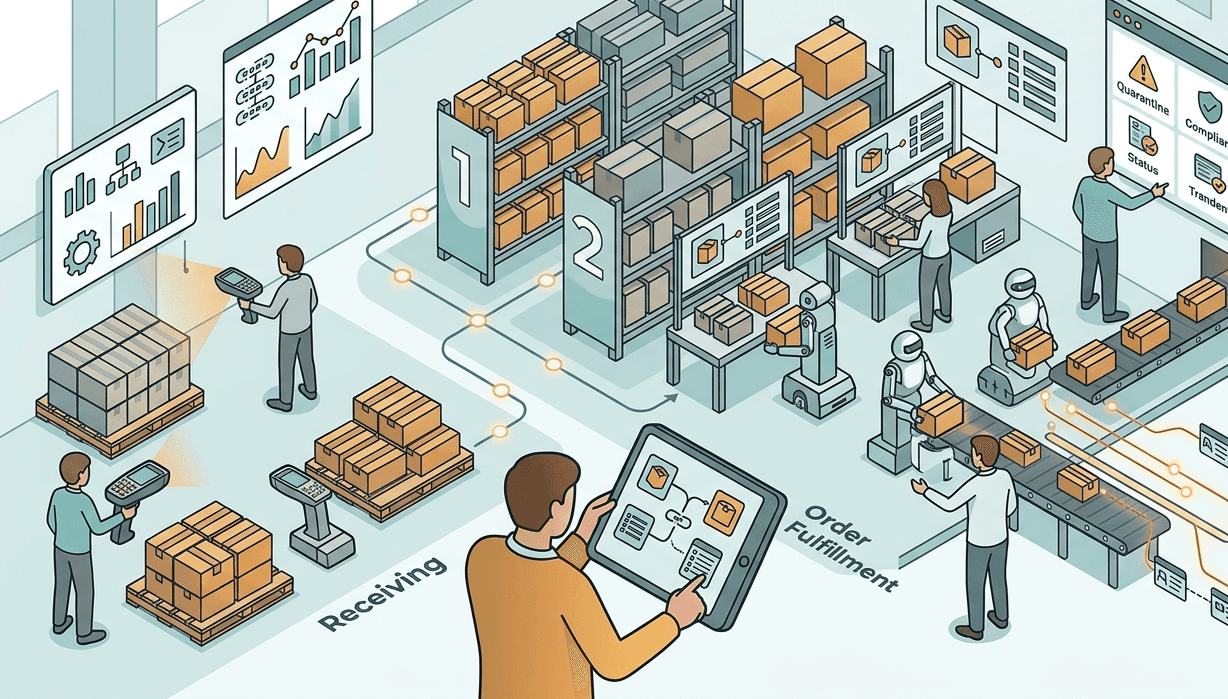
Everything starts at the [warehouse receiving process](https://shipdudes.com/blog/warehouse-receiving-process). When inventory arrives at the warehouse, each carton or pallet must be logged with its lot number, manufacture date, expiration date, and supplier information. This is not a nice-to-have data field. It is the foundation of your entire traceability chain.
At ShipDudes, inventory receiving includes lot-level data capture as a standard part of the inbound workflow. Every unit is associated with its batch information before it ever touches a shelf.
2. Lot-Level Storage and Location Mapping
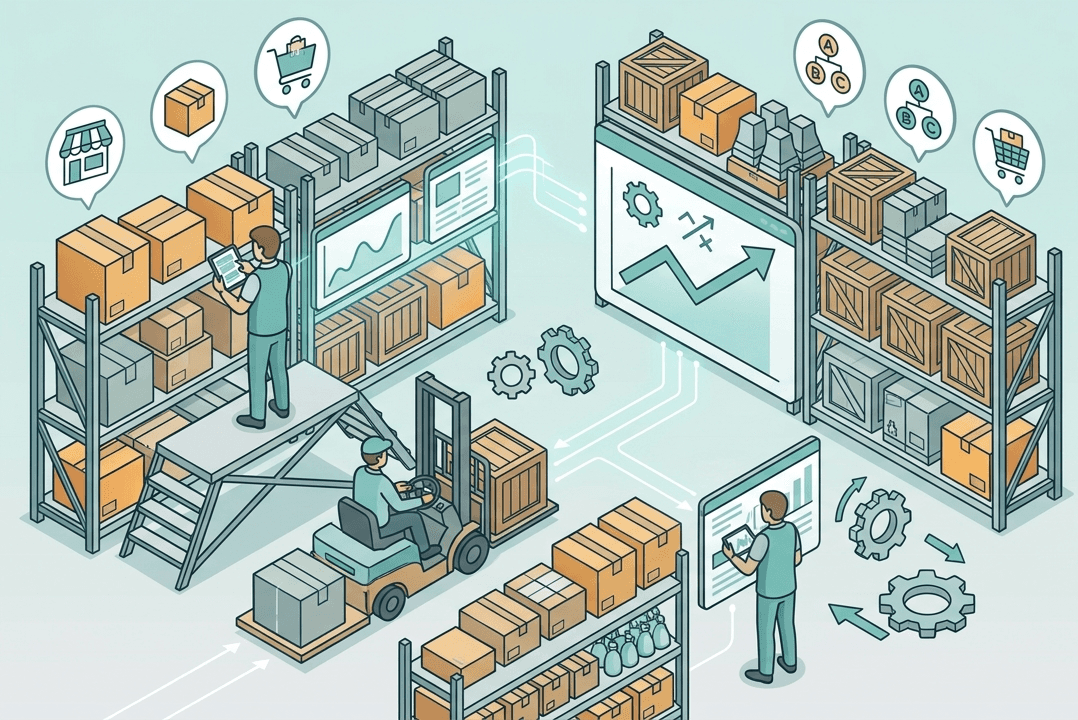
Once received, inventory from different lots of the same SKU must be stored and tracked separately. This means the warehouse management system (WMS) needs to know that Lot A of your Vitamin D supplement is on shelf 3A, while Lot B is on shelf 7C. Commingling lots in the same bin without system-level differentiation is a traceability killer.
This is particularly important for [fulfillment center cycle counting](https://shipdudes.com/blog/fulfillment-center-cycle-counting-how-to-maintain-inventory-accuracy-at-scale). Cycle counts should verify not just SKU quantities, but lot-level accuracy as well.
3. FEFO (First Expired, First Out) Pick Logic
For any product with an expiration date (food, beverages, supplements, many beauty products), your 3PL's pick logic should follow FEFO: First Expired, First Out. This ensures the oldest lots ship first, reducing the risk of expired product sitting in the warehouse or, worse, reaching a customer.
FEFO is not the same as FIFO (First In, First Out). A lot received last week could have an earlier expiration date than a lot received a month ago if the manufacturing dates differ. Your WMS needs to sort by expiration date, not receipt date.
4. Order-Level Lot Association
This is where many 3PLs fall short. True lot tracking fulfillment means that every outbound order record includes the specific lot number(s) of the units shipped. If Order #12345 contained two units of SKU-ABC from Lot 2024-0917, that association is stored permanently.
This data is what makes recall management fulfillment actually work. Without order-level lot association, you cannot identify which customers received affected product.
5. Real-Time Visibility and Reporting
You should not have to email your 3PL and wait 48 hours to find out which lots are in stock or which orders shipped from a particular batch. Real-time lot tracking through your [3PL's technology integration](https://shipdudes.com/blog/3pl-technology-integration-apis-webhooks-and-real-time-data-sync) (whether through a dashboard, API, or webhooks) is essential. When a recall happens, every hour matters.
What a Recall Response Actually Looks Like With Proper Lot Tracking
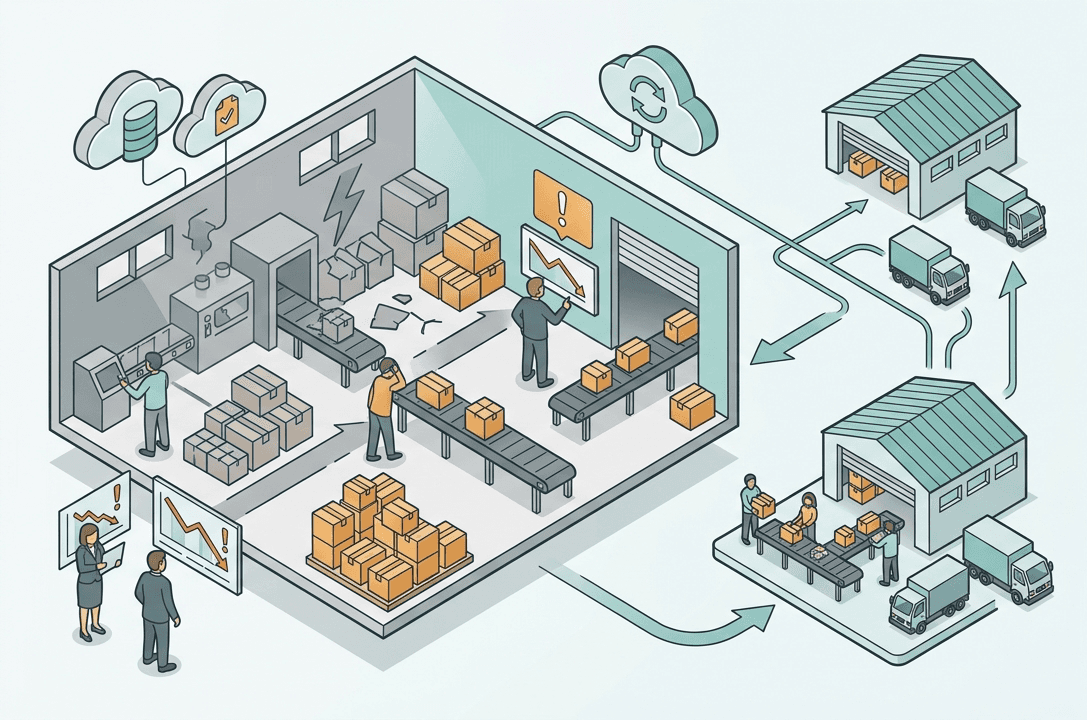
Let us walk through a realistic recall scenario to show why this infrastructure matters.
Day 1: Your co-manufacturer notifies you that Lot 2024-1103 of your collagen powder tested positive for elevated lead levels during a post-production audit.
Within 1 hour: You log into your 3PL's system and pull a report showing that 2,400 units of Lot 2024-1103 were received on November 10. Of those, 1,800 have shipped across 1,400 orders. 600 remain in warehouse inventory.
Within 2 hours: Your 3PL quarantines the remaining 600 units, physically segregating them and flagging them in the WMS so they cannot be picked for any orders. You have the exact order numbers and customer contact information for all 1,400 affected orders.
Within 4 hours: Your customer support team (or automated system) sends targeted recall notifications to only the 1,400 affected customers with clear instructions. You initiate [returns processing](https://shipdudes.com/blog/returns-processing-automation-how-smart-3pls-turn-returns-into-revenue-recovery) for returned units.
Within 24 hours: You have filed your FDA recall report with precise lot data, customer notification records, and quarantine documentation. Meanwhile, unaffected lots of the same product continue shipping normally. Revenue impact is limited to one batch, not your entire product line.
Now imagine that same scenario without lot tracking. You would have to recall all collagen powder inventory across all lots. You would need to notify every customer who ever purchased the product. You would have no documentation for the FDA. The financial and reputational damage would be exponentially worse.
Questions to Ask Your 3PL About Lot Tracking
If you are evaluating fulfillment partners (or auditing your current one), these are the questions that separate real cpg lot control capability from marketing fluff.
1. Do you capture lot numbers at receiving, and how? Look for barcode or scan-based capture, not manual entry on paper.
2. Does your WMS maintain lot-level inventory segregation? Meaning, can the system differentiate between units of the same SKU from different lots?
3. Do you support FEFO pick logic? Critical for any perishable or expiration-dated product.
4. Is lot data associated with individual outbound orders? This is the non-negotiable. Without it, traceability breaks at the most critical point.
5. Can I access lot reports in real time? If you need to ask and wait, your recall response time just went from hours to days.
6. What is your quarantine protocol? How quickly can they isolate affected inventory, and what prevents quarantined units from accidentally being shipped?
These questions belong in your [3PL SLA](https://shipdudes.com/blog/3pl-sla-enforcement-how-to-hold-fulfillment-partner-accountable-templates) discussions. Lot tracking commitments should be documented in your service agreement, with clear expectations around data capture, reporting timelines, and quarantine procedures.
Lot Tracking Across Channels: The Omnichannel Challenge
Modern CPG brands do not sell through a single channel. You might be shipping DTC from Shopify, fulfilling orders on Amazon, selling wholesale through Faire, and running a TikTok Shop storefront. Lot tracking fulfillment needs to work across all of them.
This is where [omnichannel fulfillment](https://shipdudes.com/blog/omnichannel-fulfillment) infrastructure becomes critical. If your 3PL tracks lots for DTC orders but not for B2B retail shipments (or vice versa), you have a traceability gap. Every unit that leaves the warehouse, regardless of channel, needs to carry its lot data.
At ShipDudes, lot tracking is integrated across all 75+ platform integrations. Whether a unit ships to a DTC customer via Shopify, goes out as part of a [subscription box](https://shipdudes.com/blog/subscription-box-fulfillment-complete-guide-for-recurring-revenue-brands), or gets prepped for [Amazon FBA](https://shipdudes.com/blog/amazon-fba-prep), the lot association follows the product.
Industries Where Lot Tracking Is Most Critical
While every CPG brand benefits from traceability, some categories face higher stakes.
Food and Beverages: FDA FSMA compliance mandates traceability. Allergen contamination, pathogen detection, and foreign object recalls are common triggers. If you are operating a [food fulfillment center](https://shipdudes.com/blog/food-fulfillment-center-requirements-fda-compliance-and-safe-storage) workflow or shipping [beverages](https://shipdudes.com/blog/beverage-fulfillment-challenges-glass-liquid-restrictions-and-shipping-solutions), lot tracking is a regulatory requirement.
Supplements: cGMP compliance requires batch records. The [supplement fulfillment requirements](https://shipdudes.com/blog/supplement-fulfillment-done-right-fda-compliance-cold-chain-and-scale) include lot tracking, expiration management, and quarantine capabilities.
Beauty and Skincare: MoCRA now brings cosmetics under tighter FDA oversight. [Beauty product fulfillment](https://shipdudes.com/blog/beauty-product-fulfillment) with lot tracking protects against contamination and ingredient sourcing issues, especially for products requiring [temperature-controlled storage](https://shipdudes.com/blog/temperature-controlled-fulfillment-cold-chain-requirements-for-beauty-and-supplements).
Pet Products: Recalls in pet food and treats are frequent and highly publicized. Brands that can respond quickly with targeted recalls maintain consumer trust.
Building a Lot Tracking System That Scales
If you are a growing CPG brand, building lot tracking into your fulfillment operations early is far easier (and cheaper) than retrofitting it later. Here is the practical playbook.
Start with your co-manufacturer. Ensure they are providing clear, consistent lot numbers on every shipment. Standardize the format. Make lot data a required field on every packing list and ASN (Advance Shipment Notice).
Choose a 3PL with native lot tracking. Do not settle for a fulfillment partner that treats lot tracking as a custom add-on or manual workaround. It should be a core WMS feature. ShipDudes built lot-level tracking into its [3PL inventory management systems](https://shipdudes.com/blog/3pl-inventory-management-systems-real-time-visibility-and-control) because the founders came from the CPG world and understood that traceability is not optional.
Document your recall SOP. Even with perfect lot tracking, you need a documented recall response plan: who gets notified internally, what the communication timeline looks like, how returns are handled, and who files with regulatory agencies. Your 3PL should be part of this plan.
Run recall drills. At least once a year, simulate a recall. Pick a random lot number and see how quickly your 3PL can produce a full report of affected orders. Measure the response time. If it takes more than a few hours, you have a gap to close. This is similar in spirit to the [stress testing you should do before peak season](https://shipdudes.com/blog/3pl-scalability-testing-how-to-stress-test-your-fulfillment-partner-before-peak-season), but focused on compliance rather than volume.
Audit your 3PL's lot accuracy. During [quality control checks](https://shipdudes.com/blog/3pl-quality-control-systems-how-to-prevent-order-errors-before-they-reach-customers) and cycle counts, verify that physical lot assignments match what the WMS says. Errors at the inventory level cascade into inaccurate recall data.
The Cost of Getting This Wrong
Beyond the direct financial cost of a botched recall, the downstream damage is severe. Retailers may delist your product. Amazon may suspend your listings. Customers may never buy from you again. And if the FDA determines your traceability records are inadequate, you could face warning letters, fines, or even import alerts.
On the flip side, brands that handle recalls cleanly often come out the other side with stronger consumer trust. Transparent, targeted communication ("We identified the specific batch and are proactively reaching out to affected customers") signals competence and integrity.
The infrastructure that enables that communication is lot tracking fulfillment. Period.
FAQ: Lot Tracking and Traceability for CPG Brands
What is lot tracking in fulfillment?
Lot tracking in fulfillment is the practice of recording the unique batch or lot number assigned to a production run and associating that identifier with every warehouse action, from receiving and storage through picking, packing, and shipping to individual customer orders. It enables brands to trace exactly which customers received product from any specific manufacturing batch.
Why is lot tracking important for product recalls?
Lot tracking allows brands to identify exactly which orders contained units from an affected production batch. Without it, companies must issue broad recalls covering all inventory of a product, which is significantly more expensive and damaging to brand reputation. With lot-level data, recalls can be targeted to only the affected customers and inventory.
Do all 3PLs offer lot tracking?
No. Many 3PLs offer basic inventory management at the SKU level but do not track individual lot or batch numbers through to the order level. CPG brands should specifically verify that a 3PL's warehouse management system supports lot capture at receiving, lot-level storage segregation, FEFO pick logic, and order-level lot association before signing a contract.
What is the difference between FIFO and FEFO in warehouse management?
FIFO (First In, First Out) ships inventory based on the date it was received at the warehouse. FEFO (First Expired, First Out) ships inventory based on expiration date, regardless of when it was received. For products with expiration dates, FEFO is the correct approach because a newer shipment could have an earlier expiration date than older stock.
How does lot tracking work across multiple sales channels?
In an omnichannel fulfillment setup, lot tracking must apply to every outbound shipment regardless of channel, whether it is a DTC Shopify order, an Amazon FBA prep shipment, a wholesale retail order, or a subscription box. The 3PL's WMS should maintain lot associations across all integrated platforms.
What CPG categories require lot tracking?
Food, beverages, dietary supplements, pet food, cosmetics, and beauty products all have regulatory frameworks (FDA FSMA, cGMP, MoCRA) that require or strongly recommend lot-level traceability. Even for categories without strict mandates, lot tracking is a best practice for any brand that wants to protect itself during a product safety event.
Ready to Build Recall-Ready Fulfillment?
If you are a CPG brand selling food, beverages, supplements, beauty products, or pet products, lot tracking is not something you can figure out later. It needs to be baked into your fulfillment operations from day one.
ShipDudes provides lot tracking fulfillment as a core capability across our Northern New Jersey and Las Vegas warehouse facilities. Our all US-based team understands CPG compliance because our founders built this company after living through the pain of working with 3PLs that could not support these requirements.
Whether you need batch-level traceability, FEFO expiration management, quarantine protocols, or real-time lot reporting across 75+ platform integrations, we built the infrastructure to handle it.
[Book a call with ShipDudes](https://shipdudes.com/book-a-call) to walk through your lot tracking requirements and see how our systems map to your compliance needs.
Ready to Simplify Your Fulfillment?
Let's build a custom pricing model for your brand. No contracts required to start the conversation.