Omnichannel Fulfillment Strategy: How to Sell Everywhere Without Losing Your Mind

Michael DeSarno
8 min read
Industry Guides
Share
KEY TAKEAWAYS
• Omnichannel fulfillment routes all orders (DTC, Amazon, retail, TikTok Shop) through one inventory pool and one 3PL partner.
• Unified inventory management prevents overselling, reduces dead stock, and improves cash flow across every channel.
• Dual-coast warehouses (NJ + Las Vegas) enable 2-to-5-day ground delivery to most US addresses.
• A true omnichannel 3PL handles pick-and-pack, EDI compliance, FBA prep, kitting, and subscriptions under one roof.
Last Updated:
You started on Shopify. Then you added Amazon. Then a buyer from a retail chain reached out, and suddenly you're shipping B2B pallets. Now TikTok Shop is blowing up and you need to figure out how to fulfill those orders too.
Sound familiar? Multi-channel selling is the fastest way to grow a CPG brand, but it is also the fastest way to drown in operational complexity. Without a real omnichannel fulfillment strategy, you end up with oversold inventory, late shipments, chargebacks, and a customer support inbox that makes you want to close your laptop forever.
This guide breaks down how to sell on multiple platforms without losing control. No theory. Just the practical playbook that brands actually use to scale across channels.
Why Multi-Channel Selling Creates So Much Chaos
Let's be honest about the problem. Each sales channel comes with its own set of rules, timelines, and expectations. Amazon has strict FBA prep requirements and will suspend you for late shipments. Retail partners like Target or Walmart require EDI compliance and routing guide adherence. Shopify customers expect two-day shipping because that's what everyone promises now. TikTok Shop orders spike unpredictably when a video goes viral.
When you manage each channel in a silo, you get a few predictable failure modes:
1. Inventory fragmentation. You allocate stock to each channel separately, which means you're either overstocked somewhere or overselling somewhere else.
2. Shipping inconsistency. Different channels get different levels of attention depending on which fire is burning hottest that day.
3. Data blind spots. You can't see a unified picture of what's selling, what's running low, or where your margin is strongest.
4. Team burnout. Someone on your team (probably you) is toggling between six dashboards and three spreadsheets just to get orders out the door.
This is not a logistics problem. It is a strategy problem. And the solution starts with how you think about fulfillment architecture.
The Core of an Omnichannel Fulfillment Strategy
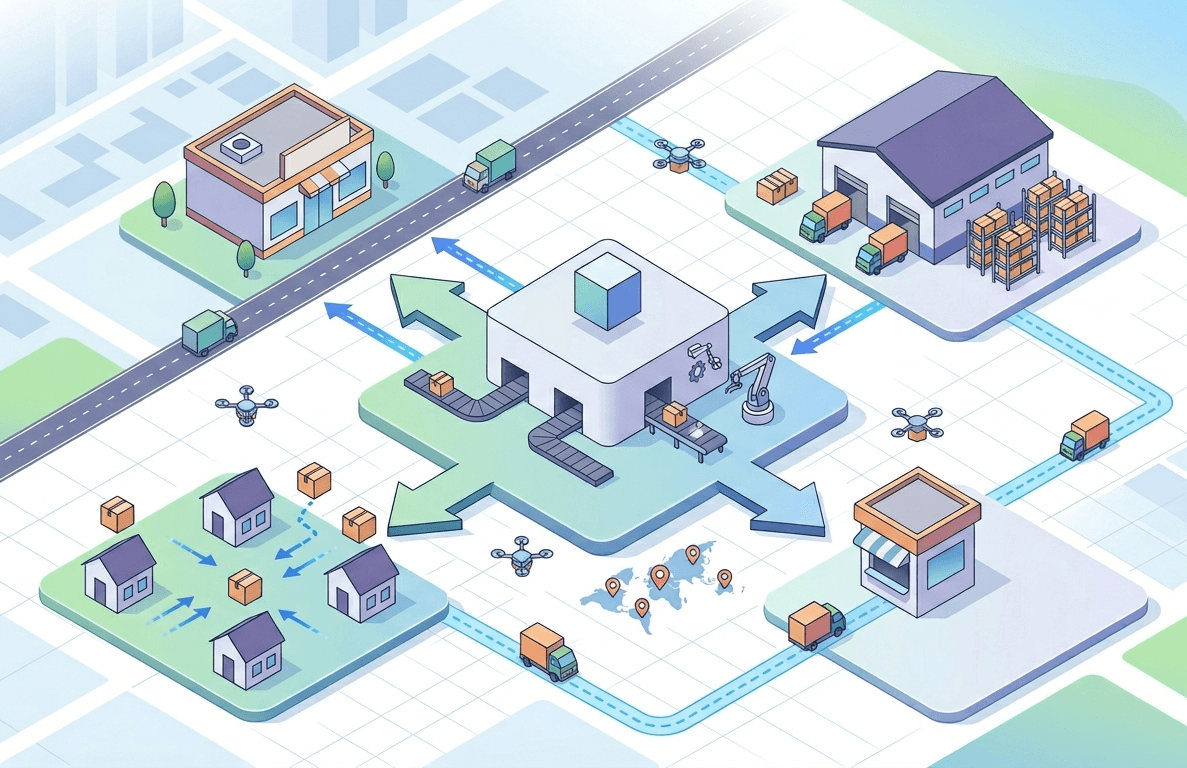
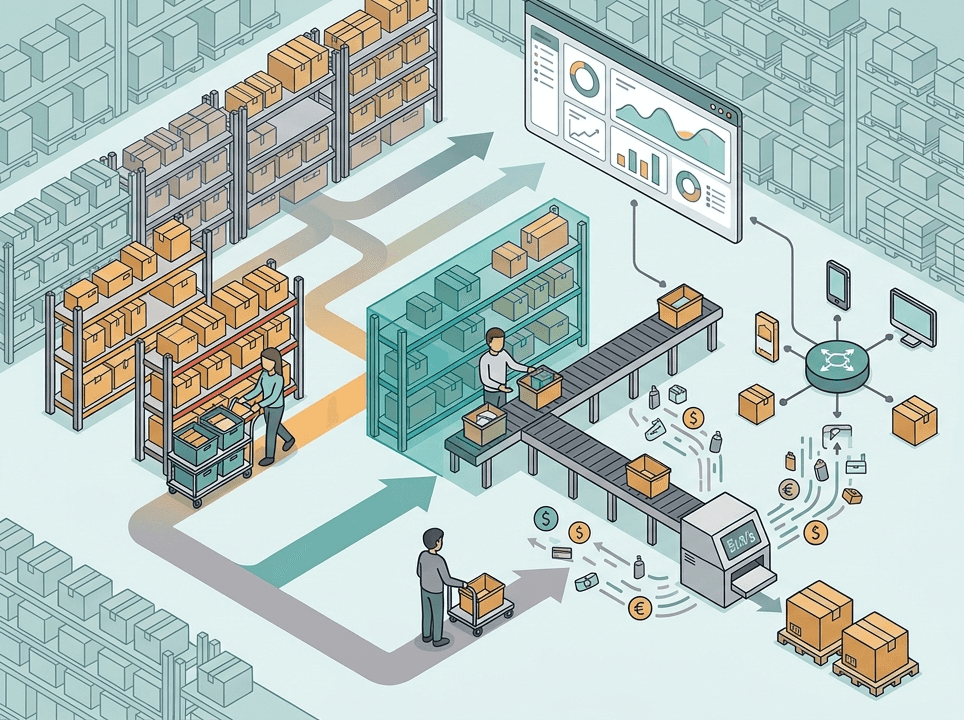
Omnichannel fulfillment means routing every order, regardless of where it originated, through a unified fulfillment operation. Instead of treating Amazon as one pipeline, Shopify as another, and wholesale as a third, you consolidate everything into a single inventory pool managed by a single system.
Here is what that looks like in practice:
One inventory pool, many channels. Inventory synchronization across platforms means that when a unit sells on TikTok Shop, availability updates on Shopify, Amazon, and your wholesale portal simultaneously. No more overselling. No more holding "safety stock" for each channel that ties up cash.
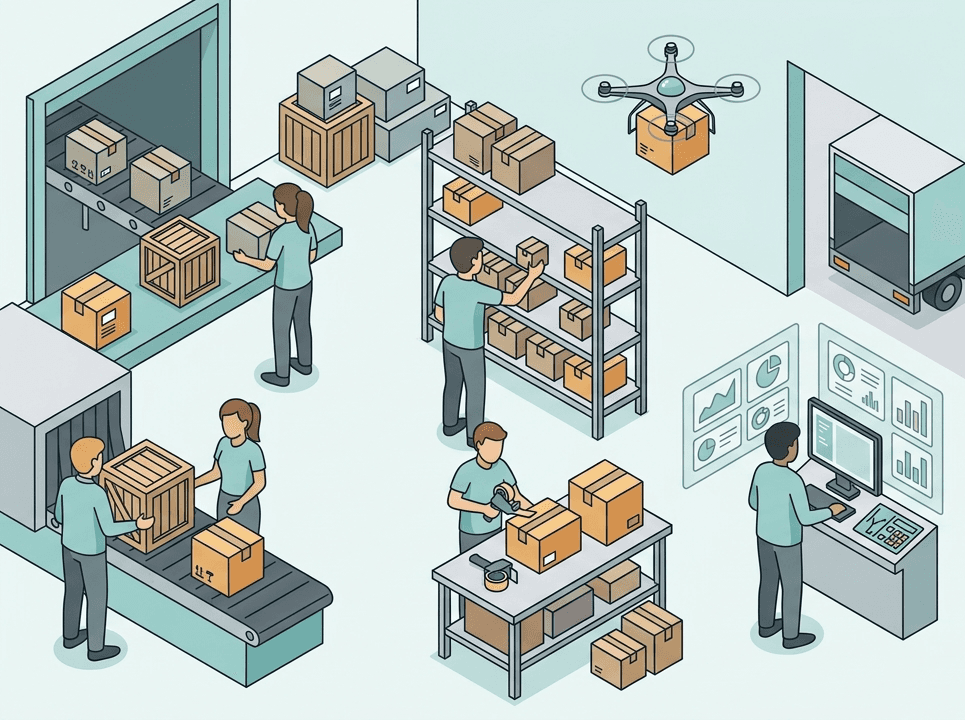
One fulfillment partner, multiple workflows. A strong 3PL handles DTC pick and pack, subscription box assembly, retail distribution with EDI compliance, and FBA prep, all under one roof. At ShipDudes, for example, we process all of these workflows from our dual-coast warehouses in New Jersey and Las Vegas, which means brands don't need to coordinate between three or four different partners.
One integration layer. Your fulfillment partner should plug directly into every platform you sell on. ShipDudes integrates with 75+ platforms, including Shopify, Amazon, WooCommerce, Faire, and TikTok Shop, so orders flow in automatically without manual uploads or CSV files.
Unified Inventory Management: The Non-Negotiable
If there is one thing that separates brands that scale smoothly from brands that implode, it is unified inventory management. This is the backbone of cross-platform fulfillment.
Here is why it matters so much. Let's say you have 500 units of your best-selling SKU. Without inventory synchronization, you might allocate 200 to Amazon FBA, 200 to your Shopify store, and hold 100 for an upcoming retail PO. Then a TikTok video goes viral and you sell through your Shopify allocation in 48 hours. Meanwhile, 200 units sit in Amazon's warehouse gathering storage fees, and your retail PO ships next month.
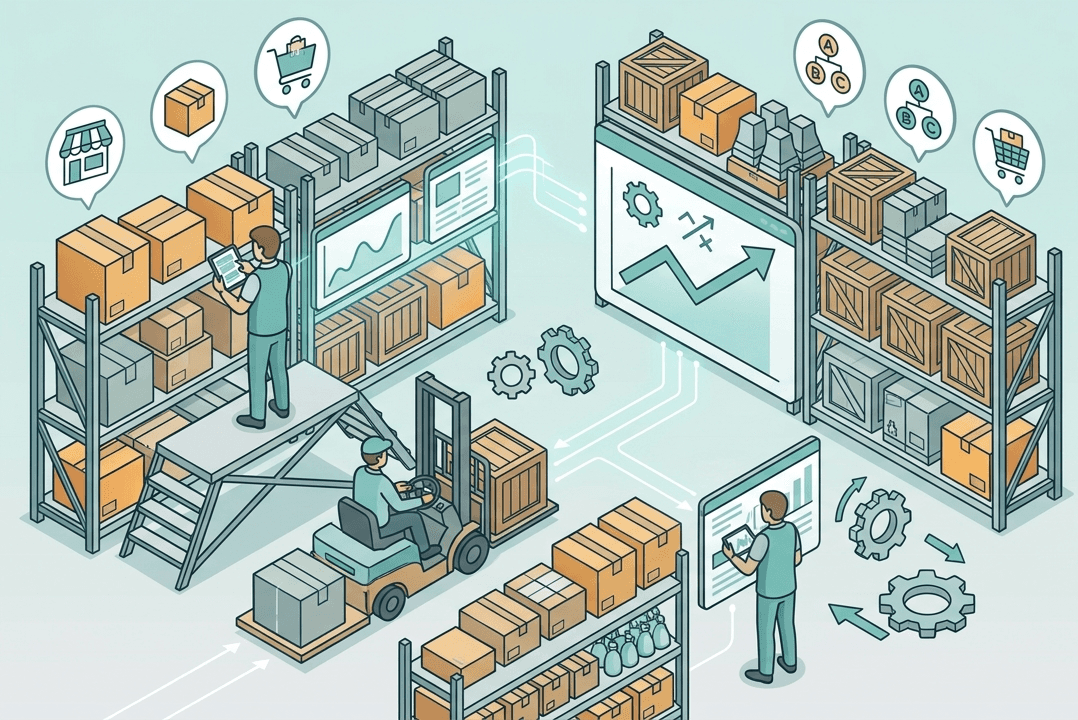
With a unified system, all 500 units live in one pool. Orders from any channel pull from the same stock. Your 3PL's warehouse management system handles the allocation in real time, and every platform reflects accurate availability.
This approach does a few important things:
- Reduces dead stock by letting inventory flow to wherever demand is highest
- Improves cash flow because you carry less total inventory
- Eliminates overselling which protects your seller ratings and customer relationships
- Simplifies forecasting because you're looking at one demand signal instead of three fragmented ones
Dual-Coast Fulfillment: Speed Without the Complexity
Geography matters. If all your inventory sits in one location, half of your customers are getting slower, more expensive shipping. A two-node fulfillment network (one on the East Coast, one on the West Coast) lets you reach most US addresses in two to three days via ground shipping.
ShipDudes operates warehouses in Northern New Jersey and Las Vegas, which provides coverage across both coasts. For CPG brands selling products like supplements, beverages, beauty items, or pet products, this setup means faster delivery without paying for expedited shipping on every order.
The key is that your 3PL handles the inventory distribution between locations based on demand patterns. You should not be the one deciding how many units go where. That is your fulfillment partner's job.
What to Look for in an Omnichannel 3PL
Not every 3PL can actually do omnichannel well. Many claim it, but when you dig in, they really just do DTC pick and pack and bolt on everything else as an afterthought. Here is what separates a true omnichannel partner:
Platform integrations that actually work. You need native connections to Shopify, Amazon, TikTok Shop, Faire, WooCommerce, and whatever you sell on next. ShipDudes offers 75+ integrations, which means you can add a new channel without a six-week onboarding process.
B2B and retail capabilities. Selling into retail means EDI compliance, specific labeling requirements, routing guide adherence, and the ability to ship pallets on schedule. If your 3PL only does eCommerce, you will need a second partner for wholesale, and that defeats the entire purpose.
Kitting and subscription support. If you sell bundles, variety packs, or subscription boxes, your 3PL needs to handle assembly efficiently. This is especially important for CPG brands in beauty, supplements, and food.
Seven-day processing. Customers order on weekends. If your 3PL only ships Monday through Friday, you are automatically behind. ShipDudes processes orders seven days a week to keep transit times tight.
A real team you can talk to. When something goes wrong (and it will), you need a US-based team that picks up the phone. ShipDudes runs an entirely in-house, US-based support team. No overseas call centers, no ticket queues that take 48 hours to get a response.
The Real Cost of Not Having a Strategy
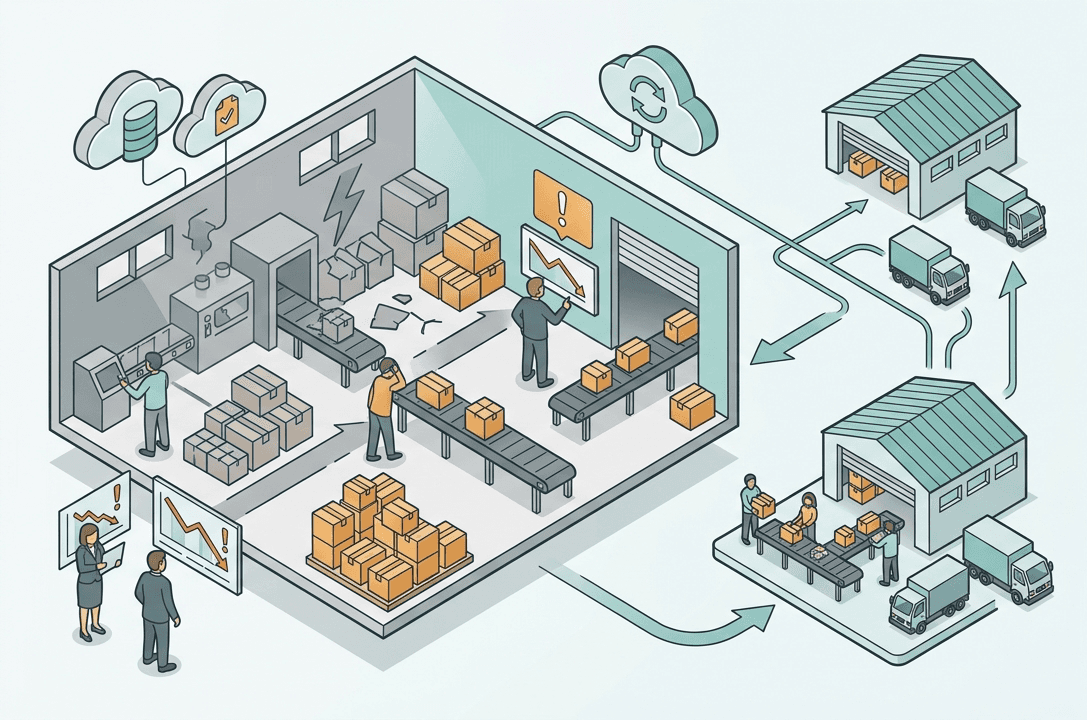
Brands that try to figure out omnichannel fulfillment reactively, adding a new warehouse here, a new partner there, end up spending more than brands that plan it from the start. The hidden costs include: chargebacks from retail partners due to compliance failures, lost Buy Box on Amazon from stockouts, refunds from late DTC shipments, and the opportunity cost of your time spent managing logistics instead of growing the brand.
A proper omnichannel fulfillment strategy is not a luxury for big brands. It is a necessity for any CPG company selling on more than one channel.
How to Get Started
You do not need to overhaul everything at once. Here is a simple starting sequence:
1. Audit your current channels. Map out where you sell, what percentage of revenue each channel drives, and where the pain points are.
2. Consolidate to one fulfillment partner. Moving everything under one roof is the single highest-leverage change you can make.
3. Unify your inventory. Work with your 3PL to set up real-time inventory synchronization across all platforms.
4. Optimize your network. If you're only shipping from one location, explore dual-coast fulfillment to reduce transit times and shipping costs.
5. Automate and monitor. Set up automatic reorder alerts, channel-level performance tracking, and regular check-ins with your fulfillment partner.
ShipDudes was built by eCommerce operators who lived through the pain of bad fulfillment partnerships. That's why we built a 3PL that handles DTC, B2B, FBA prep, subscriptions, and everything in between, all from one platform with one team.
If you are selling on multiple channels and feel like your fulfillment is held together with duct tape and spreadsheets, let's talk. Book a call at [shipdudes.com/book-a-call](https://shipdudes.com/book-a-call) and we will walk through your current setup, identify the gaps, and show you what a real omnichannel fulfillment strategy looks like for your brand.
Frequently Asked Questions
What is omnichannel fulfillment?
Omnichannel fulfillment is the process of managing and shipping orders from multiple sales channels (such as Shopify, Amazon, TikTok Shop, and retail) through a single, unified fulfillment operation. Instead of running separate logistics for each channel, all orders pull from one inventory pool and are processed by one team or 3PL partner.
How does inventory synchronization work across multiple platforms?
Inventory synchronization uses integrations between your sales platforms and your warehouse management system to update stock levels in real time. When a unit sells on one channel, availability adjusts across all other channels automatically. This prevents overselling and eliminates the need to manually allocate inventory to each platform.
Can a 3PL handle both DTC and B2B retail fulfillment?
Yes, but not all 3PLs are equipped for it. A true omnichannel 3PL like ShipDudes handles DTC pick and pack, EDI-compliant retail distribution, Amazon FBA prep, subscription box assembly, and returns processing, all from the same facilities.
Why does dual-coast fulfillment matter?
Dual-coast fulfillment places inventory in two strategic locations (typically East Coast and West Coast) so that orders reach customers faster via ground shipping. This reduces transit times, lowers shipping costs, and improves the customer experience without relying on expensive expedited services.
How do I know if I need an omnichannel fulfillment partner?
If you are selling on more than one platform and experiencing issues like inventory discrepancies, late shipments, overselling, or simply spending too much time managing logistics, it is time to consolidate with an omnichannel 3PL. The earlier you make this move, the less painful the transition will be.
Ready to Simplify Your Fulfillment?
Let's build a custom pricing model for your brand. No contracts required to start the conversation.