
Returns Management Done Right: Building Customer Loyalty Through Reverse Logistics

Michael DeSarno
8 min read
Fulfillment Operations
Share
KEY TAKEAWAYS
• A returns management 3PL handles receiving, inspection, dispositioning, restocking, refund triggering, and reporting for reverse logistics.
• Over 80% of consumers say the returns experience directly influences repeat purchase decisions.
• Best-in-class returns processing happens within 24 to 48 hours of warehouse receipt.
• ShipDudes processes returns 7 days a week across dual-coast facilities in NJ and Las Vegas with 75+ platform integrations.
Last Updated:
Returns are not a failure. They are an inevitability. If you sell physical products online, a percentage of those products will come back. The question is not whether you will deal with returns. The question is whether your returns process builds trust or destroys it.
Most brands treat reverse logistics as an afterthought. They pour money into acquisition, obsess over conversion rates, and then fumble the one moment that determines whether a first-time buyer becomes a repeat customer. A smooth, fast, hassle-free return experience tells your customer: "We stand behind what we sell." A clunky, confusing, slow process tells them: "Good luck."
This is where a returns management 3PL becomes one of the most overlooked levers for growth. Let's break down what great returns processing actually looks like, why it matters for customer retention, and how to evaluate whether your current setup is costing you money.
The Real Cost of Bad Returns Processing
Here is a number that should keep you up at night: over 80% of consumers say the returns experience directly influences whether they will buy from a brand again. That is not a soft metric. That is revenue.
When returns go wrong, the damage compounds quickly. Your customer support team gets buried in "where is my refund" tickets. Inventory sits in limbo, unavailable for resale. Refunds get delayed, chargebacks spike, and your reviews start telling a story you did not write.
The direct costs are painful enough: shipping labels, processing labor, restocking time, and product that comes back damaged or unsellable. But the indirect costs are worse. Lost lifetime value from a customer who will never order again. Negative word of mouth. Lower repeat purchase rates across your entire customer base.
For CPG brands selling beauty products, supplements, beverages, pet products, or small electronics, the math is especially unforgiving. Your margins are already tight. You cannot afford to lose a customer over a return that should have taken three days but took three weeks.
What a Returns Management 3PL Actually Does
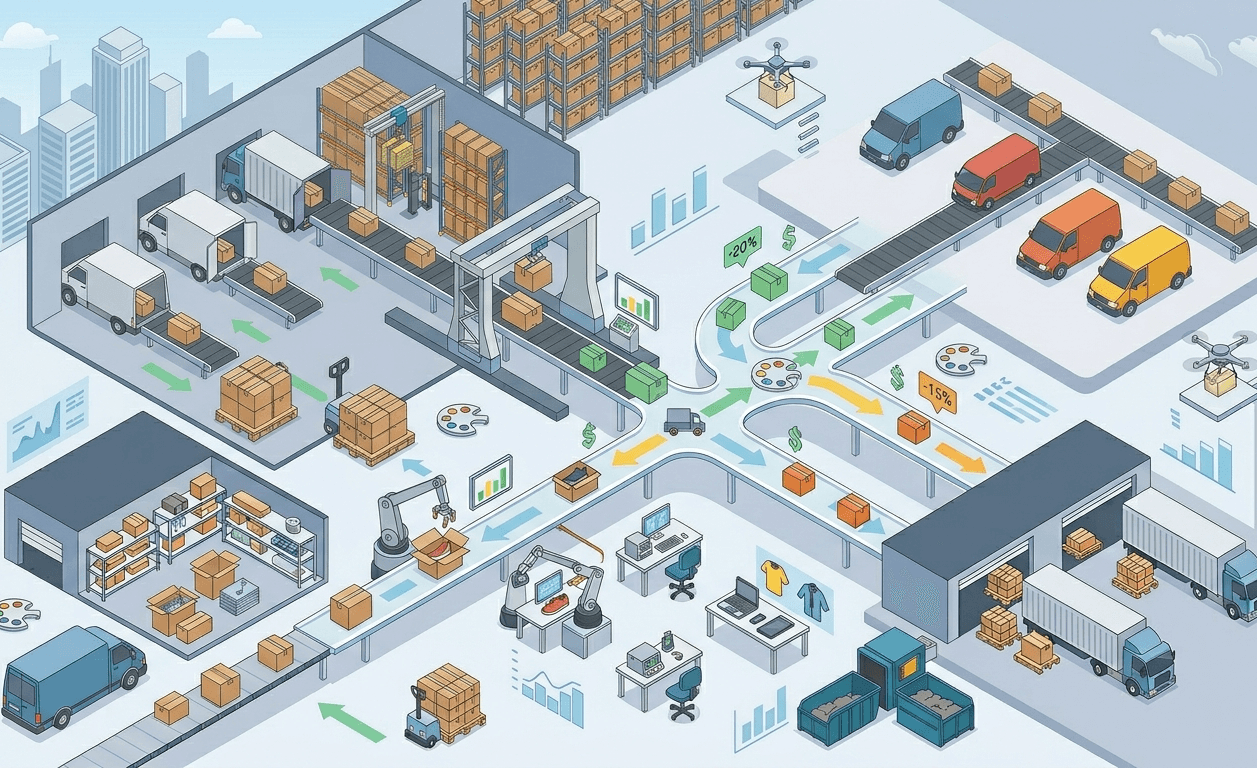
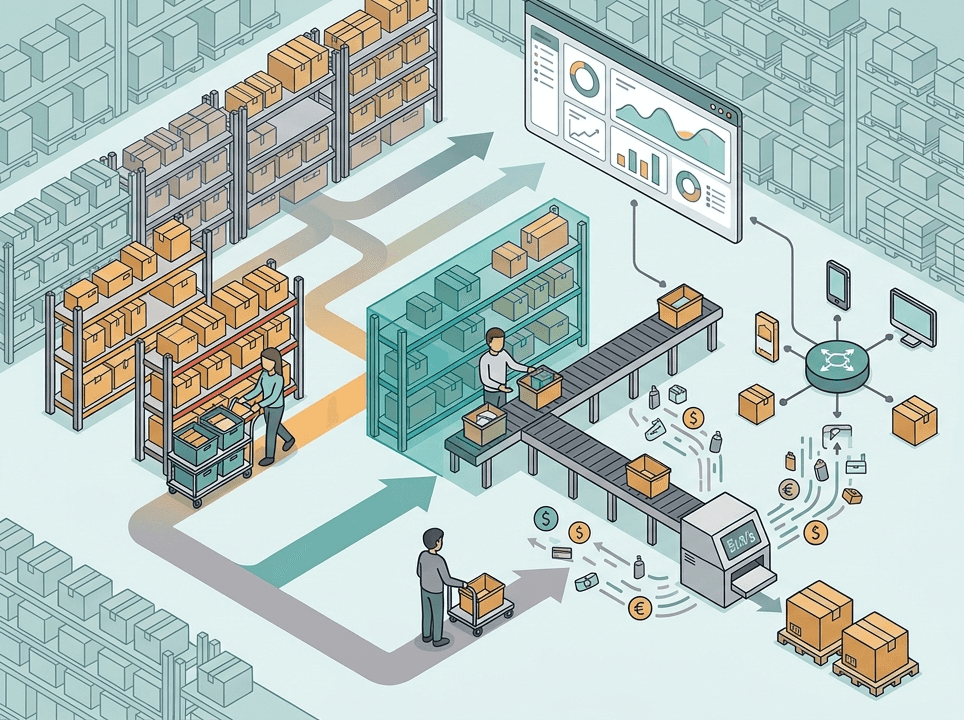
A returns management 3PL handles the entire reverse logistics chain so you do not have to. But "handling returns" is a vague phrase, and vague phrases hide a lot of operational complexity. Here is what the process should look like when it is done right.
Receiving and inspection. Every returned item needs to be received, logged, and inspected against your specific criteria. Is it unopened? Is it damaged? Is it within the return window? A good 3PL builds custom inspection workflows for your products, not a one-size-fits-all checklist.
Dispositioning. Once inspected, the item needs to go somewhere: back into sellable inventory, into a damage bin, sent to a liquidation partner, or disposed of. This decision tree should be defined in advance and executed consistently. At ShipDudes, we work with brands to build disposition rules that match their quality standards and margin targets.
Restocking. Items cleared for resale need to get back into pick-ready inventory fast. Every day a returned unit sits in processing limbo is a day it cannot generate revenue. Speed here directly impacts your inventory availability and sell-through rates.
Refund triggering. The moment an item is received and passes inspection, your customer should get their refund. A 3PL with strong platform integrations can trigger refund workflows automatically, cutting days (sometimes weeks) off the customer's wait time.
Reporting. You need visibility into return rates by SKU, return reasons, product condition on arrival, and processing timelines. This data is not just operational. It is product development intelligence. If one SKU has a 15% return rate and the reason is always "not as described," that is a listing problem, not a logistics problem.
Why Reverse Logistics Is a Customer Retention Strategy
Let's reframe the conversation. Returns are not a cost center. They are a loyalty mechanism.
Think about the brands you personally buy from repeatedly. Chances are, at least one of them earned your loyalty not because nothing ever went wrong, but because when something did go wrong, they made it effortless to fix.
This is the retention flywheel that most CPG brands miss. A customer who has a great return experience is actually more likely to buy again than a customer who never returned anything at all. It sounds counterintuitive, but the psychology is straightforward: you proved that buying from you is low risk.
For subscription box brands, this dynamic is even more pronounced. A subscriber who receives a damaged item and gets a fast, no-hassle replacement stays subscribed. One who has to fight for a resolution cancels and tells their friends about it.
Customer retention is not just about having a great product. It is about having a great recovery process when things do not go perfectly. And that recovery process lives inside your reverse logistics operation.
What to Look for in a Returns Management 3PL
Not every 3PL treats returns as a core competency. Many treat it as a necessary evil, processing returns slowly and with minimal communication. Here are the criteria that actually matter when evaluating a partner.
Processing speed. Ask for their average time from return receipt to refund trigger. If the answer is vague, that is your answer.
Custom disposition rules. Your beauty brand and a small electronics brand should not have the same inspection criteria. Your 3PL should build workflows around your products, not theirs.
Platform integrations. Returns processing should feed directly into your eCommerce platform, your inventory management system, and your customer service tools. At ShipDudes, our 75+ platform integrations (including Shopify, Amazon, WooCommerce, and more) mean that return data flows where it needs to go without manual intervention.
Transparency and reporting. You should have real-time visibility into every return in process. If you are logging into a portal and seeing stale data from 48 hours ago, your 3PL is behind.
Dual-coast infrastructure. Returns come from everywhere. Having warehouse locations on both coasts (ShipDudes operates facilities in Northern New Jersey and Las Vegas) means faster receipt times and lower shipping costs on return labels.
In-house teams. Returns processing requires judgment calls. Is this item resellable? Does this damage warrant a full refund or a partial credit? Those decisions should be made by trained, US-based team members who understand your brand standards, not outsourced labor following a script.
Building a Returns Strategy That Scales
If you are doing a few hundred orders a month, you can probably manage returns from your garage. But the moment you cross into thousands of orders, returns volume scales with you, and it scales fast.
Here is a practical framework for building a returns strategy that does not collapse under growth.
First, define your return policy clearly and make it visible. Ambiguity creates support tickets. A clear policy (30 days, unopened, original packaging) sets expectations before the purchase even happens.
Second, make the return initiation process self-service. Your customer should be able to generate a return label and track their return status without emailing your team. This alone can cut return-related support volume by 40% or more.
Third, separate your return reasons into categories and track them rigorously. "Changed my mind" is very different from "product was damaged in transit." The first is a cost of doing business. The second is a fulfillment problem that needs to be solved at the source.
Fourth, partner with a returns management 3PL that treats reverse logistics as a first-class operation, not a side project. At ShipDudes, returns processing is built into the same 7-day-a-week operational rhythm as outbound fulfillment. Returns do not sit on a shelf waiting for Monday.
Fifth, use return data to improve your products and listings. High return rates on specific SKUs are signals. Listen to them.
The Bottom Line
Every returned package is a moment of truth for your brand. Handle it well, and you earn a customer for life. Handle it poorly, and you lose more than one sale. You lose every sale that customer would have made over the next five years.
Reverse logistics is not glamorous. It does not make for exciting investor decks or viral TikTok content. But it is one of the highest-leverage operational investments a growing CPG brand can make.
The brands that win long term are the ones that make buying low risk. And that means making returns effortless.
Frequently Asked Questions
What does a returns management 3PL do?
A returns management 3PL handles the full reverse logistics process on behalf of your brand: receiving returned items, inspecting them, dispositioning (restock, liquidate, or dispose), restocking sellable inventory, triggering refunds through platform integrations, and providing detailed reporting on return rates and reasons.
How does reverse logistics impact customer retention?
Customers who experience a fast, hassle-free return process are significantly more likely to purchase again. Reverse logistics directly affects customer retention by demonstrating that your brand is low risk to buy from. Slow or confusing returns drive customers to competitors.
What should I look for when choosing a 3PL for returns processing?
Prioritize processing speed, custom inspection and disposition workflows, strong eCommerce platform integrations, real-time reporting, multi-location warehouse infrastructure, and in-house teams that can make quality judgment calls. ShipDudes offers all of these through dual-coast facilities, 75+ integrations, and a fully US-based team.
How quickly should returns be processed?
Best-in-class returns processing happens within 24 to 48 hours of receipt at the warehouse. The faster a return is inspected and a refund is triggered, the better the customer experience and the sooner inventory is available for resale.
Can a 3PL handle returns for multiple sales channels?
Yes. An omnichannel 3PL like ShipDudes can manage returns from Shopify, Amazon, WooCommerce, TikTok Shop, Faire, and other platforms through a single integrated operation, giving you unified visibility across all channels.
Ready to turn your returns process into a retention engine? Talk to the ShipDudes team about how our returns processing and reverse logistics operations can support your brand as you scale. [Book a call today](https://shipdudes.com/book-a-call).
Ready to Simplify Your Fulfillment?
Let's build a custom pricing model for your brand. No contracts required to start the conversation.