
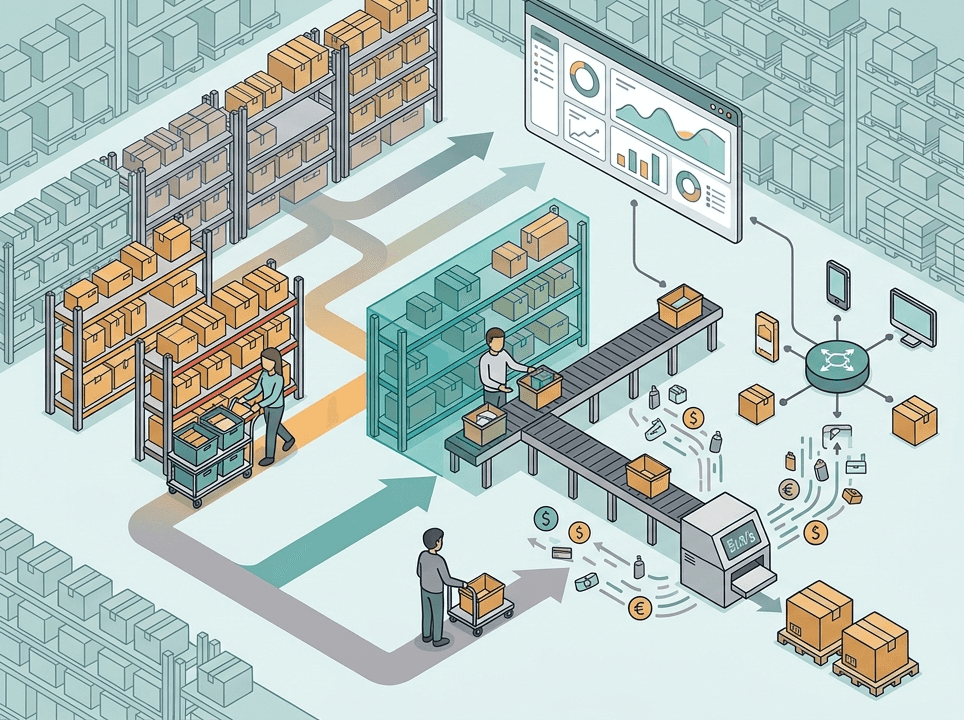
Picking Methods in 3PL Warehouses: How Pick Strategy Impacts Your Costs

Michael DeSarno
8 min read
Fulfillment Operations
Share
KEY TAKEAWAYS
• Picking labor typically represents 50%+ of total warehouse operating costs, making pick strategy a primary cost lever for brands.
• The four core methods (discrete, batch, zone, wave) each suit different SKU counts, order volumes, and order profiles.
• Hybrid approaches combining zone and batch picking capture travel reduction and consolidation efficiency simultaneously.
• Ask your 3PL for account-specific picking rationale, pick accuracy rates (99.5%+ standard), and peak season scaling plans.
Last Updated:
Here is something most brand founders never think about: the way a warehouse picker physically walks through the facility and pulls your products off shelves has a direct, measurable impact on what you pay per order. Picking labor typically represents 50% or more of total warehouse operating costs, which means the warehouse picking methods your 3PL uses are not just an operational detail. They are a cost driver that shows up on every invoice.
If you are evaluating 3PL partners or trying to understand why your current fulfillment costs feel high, understanding picking strategy is one of the most practical things you can do. This guide breaks down the major warehouse picking methods, explains when each one makes sense, and shows you how to ask the right questions when vetting a fulfillment partner.
Why Picking Method Matters More Than You Think
Picking is the process of retrieving individual items from warehouse storage locations to fulfill customer orders. It sounds simple, but at scale, the inefficiencies compound fast. A picker walking unnecessary steps between locations, handling orders one at a time when they could be batched, or backtracking across zones adds minutes per order. Multiply that across thousands of orders per day, and you are looking at significant labor cost differences.
For CPG brands selling beauty products, supplements, pet products, beverages, or shelf-stable food, picking efficiency also affects accuracy. The wrong warehouse picking strategy for your SKU count and order profile leads to more mispicks, which means more returns, more reshipping costs, and unhappy customers. If you want to understand how picking ties into the broader [pick and pack fulfillment](https://shipdudes.com/blog/pick-and-pack-fulfillment) process, that is a good place to start.
The bottom line: your 3PL's picking method is not a back-of-house detail you can ignore. It is baked into your unit economics.
The Four Core Warehouse Picking Methods
Every 3PL warehouse uses some variation (or combination) of these four approaches. Let's break each one down.
Discrete (Single Order) Picking
This is the simplest method. One picker handles one order at a time, walking through the warehouse to collect every item for that order before moving to the next one.
When it works: Low order volumes, high-value orders, or situations where accuracy is critical and speed is secondary. If you are shipping 20 orders a day, discrete picking is perfectly fine.
When it breaks down: As soon as volume scales. A picker handling 200 or more orders per day using discrete picking will spend the majority of their shift walking, not picking. The travel time per order is the highest of any method.
Cost impact: Highest labor cost per order at scale. The simplicity reduces error rates, but the inefficiency shows up directly in your fulfillment fees.
Batch Picking
With batch picking, a single picker collects items for multiple orders in one trip through the warehouse. They carry a cart or tote system, pulling items for 10, 20, or more orders simultaneously, then sorting them into individual orders at a packing station.
When it works: Brands with overlapping SKUs across orders. If 40% of your daily orders contain the same bestselling moisturizer or protein powder, batch picking means one trip to that shelf location instead of 40 separate trips.
When it breaks down: Highly diverse catalogs where orders rarely share SKUs. The sorting step after picking also introduces error risk if the process is not well managed. Brands dealing with [complex multi-SKU bundles](https://shipdudes.com/blog/multi-sku-bundle-fulfillment-complex-kitting-at-scale) need their 3PL to have strong sorting protocols in place.
Cost impact: Significantly lower labor cost per order compared to discrete picking. The trade-off is that sorting errors can increase if quality control is not tight. For a deeper look at how QC fits in, check out this piece on [fulfillment center quality control](https://shipdudes.com/blog/3pl-quality-control-systems-how-to-prevent-order-errors-before-they-reach-customers).
Zone Picking
In zone picking, the warehouse is divided into defined zones. Each picker stays in their assigned zone and only picks items located in that area. An order that includes items from multiple zones gets passed from zone to zone (or consolidated at a central packing area).
When it works: Large warehouses with high SKU counts. Keeping pickers in a confined area drastically reduces travel time and lets them develop familiarity with the products in their zone. This is common in facilities handling diverse CPG catalogs.
When it breaks down: Orders with items spread across many zones create handoff complexity. Zone picking also requires enough volume to justify dedicating personnel to each zone. If your 3PL runs a small facility, zone picking may not make practical sense.
Cost impact: Lower per-order costs in high-volume environments. The reduced travel time per picker offsets the coordination overhead. However, if zones are poorly designed, bottlenecks in one zone can slow down the entire operation.
Wave Picking
Wave picking combines elements of batch and zone picking. Orders are grouped into "waves" based on criteria like shipping carrier, destination region, or priority level. Pickers then work through their assigned wave, often using batch or zone methods within the wave.
When it works: Operations that need to coordinate picking with shipping cutoff times. If your 3PL needs to get all West Coast ground orders picked by 2 PM for carrier pickup, wave picking groups those orders into a scheduled batch. This is particularly relevant for brands using [zone skipping fulfillment](https://shipdudes.com/blog/zone-skipping-fulfillment-how-smart-3pls-cut-shipping-costs-beyond-dual-coast) strategies where shipment consolidation timing matters.
When it breaks down: Can create idle time between waves if not well planned. Also adds complexity in warehouse management system (WMS) configuration.
Cost impact: Efficient at scale, especially when paired with optimized shipping strategies. The scheduling discipline can improve carrier rate utilization, which indirectly lowers your total fulfillment cost.
Batch Picking vs Zone Picking: Which Is Better for Your Brand?
This is the most common comparison brands run into when evaluating 3PL picking efficiency. The honest answer: it depends entirely on your order profile.
Choose batch picking if your catalog is relatively focused (under 200 active SKUs), your bestsellers appear in a high percentage of orders, and your average order contains one to three items. Batch picking will minimize redundant travel and keep costs down.
Choose zone picking if you have a large, diverse SKU catalog (500 or more active SKUs), your orders frequently contain items from different product categories, and your daily volume justifies dedicated zone staffing.
The hybrid approach: Many mature 3PL operations, including the fulfillment workflows at ShipDudes, use a combination. Zones are established for product categories, but within each zone, pickers use batch methods to pull for multiple orders simultaneously. This hybrid approach captures the travel reduction benefits of zone picking with the consolidation efficiency of batch picking.
The key question to ask any prospective 3PL: "How do you determine which picking method to use for my account, and how does that change as my volume grows?" A good partner adapts the strategy to your data, not a one-size-fits-all default.
How Picking Strategy Connects to Your Total Fulfillment Cost
Picking labor is the most visible cost driver, but the ripple effects go further.
Accuracy and returns: Inefficient picking methods under pressure lead to mispicks. Every wrong item shipped is a return to process, a replacement to send, and a customer experience hit. Brands spending heavily on returns should investigate whether the root cause is a picking strategy problem. This connects directly to [returns processing](https://shipdudes.com/blog/returns-processing-automation-how-smart-3pls-turn-returns-into-revenue-recovery) costs that erode your margins.
Storage layout: Your 3PL's picking method determines how inventory gets slotted in the warehouse. Batch picking works best with fast movers positioned in accessible locations. Zone picking requires logical category groupings. Poor slotting defeats the purpose of any picking strategy and drives up costs. For brands managing seasonal inventory fluctuations, this becomes even more important (see [seasonal inventory storage](https://shipdudes.com/blog/seasonal-inventory-storage-managing-peak-season-overflow)).
Technology requirements: Advanced picking methods require a capable WMS. If your 3PL's system cannot dynamically assign batches, manage zone handoffs, or schedule waves, they are likely defaulting to less efficient methods regardless of what they claim. When evaluating partners, ask about their [3PL technology integration](https://shipdudes.com/blog/3pl-technology-integration-apis-webhooks-and-real-time-data-sync) capabilities.
Peak season performance: The picking method that works at 500 orders per day may collapse at 2,000 orders per day during peak season. Understanding how your 3PL plans to [scale during peak](https://shipdudes.com/blog/3pl-scalability-testing-how-to-stress-test-your-fulfillment-partner-before-peak-season) requires knowing how their picking operations flex.
What to Ask Your 3PL About Their Picking Strategy
Here are five specific questions that will tell you whether a 3PL is thoughtful about warehouse picking strategies or just winging it:
1. What picking method do you use for accounts with a similar SKU count and order volume to mine? If they cannot answer specifically, that is a red flag.
2. How do you slot inventory, and how often do you re-slot based on velocity data? Re-slotting (moving fast movers closer to packing stations) is a sign of operational maturity.
3. What is your pick accuracy rate, and how do you measure it? Industry standard is 99.5% or above. Anything below that suggests process issues. Learn more about [3PL performance metrics](https://shipdudes.com/blog/3pl-performance-metrics-that-actually-matter-kpis-beyond-order-accuracy) to track.
4. How does your picking process change during peak season? Good answer: they add waves, extend shifts, bring in trained flex labor. Bad answer: they just add more people and hope for the best.
5. Do you use any automation or technology to optimize pick paths? This does not mean they need robots. Even basic WMS-driven pick path optimization makes a meaningful difference. For more on this topic, read about [warehouse automation ROI](https://shipdudes.com/blog/warehouse-automation-roi-when-robotics-pay-off-3pl-operations).
How ShipDudes Approaches Picking for CPG Brands
At ShipDudes, we see picking strategy as a living decision, not a static one. Across our four warehouse facilities (two in Northern New Jersey and two in Las Vegas), the picking approach is tailored to each brand's SKU profile, order composition, and volume. A beauty brand shipping single-SKU orders gets a different workflow than a supplement brand shipping complex kitted bundles.
Our WMS dynamically routes picks to minimize travel time, and our in-house, US-based team reviews picking efficiency data regularly to identify optimization opportunities. This is one reason ShipDudes earned a spot on the Inc. 5000 as the 39th fastest growing company in America. The details compound.
For brands selling across multiple channels (Shopify, Amazon, TikTok Shop, Faire, and more), our [omnichannel fulfillment](https://shipdudes.com/blog/omnichannel-fulfillment) infrastructure means picking strategies also account for channel-specific requirements, like Amazon FBA prep standards or retailer EDI compliance.
The Bottom Line
Warehouse picking methods are not just a warehouse manager's concern. They are a cost lever that directly affects your per-order economics, your accuracy rates, and your ability to scale. Whether your 3PL uses batch picking, zone picking, wave picking, or a hybrid approach, the important thing is that the strategy matches your business profile and evolves as you grow.
If you are not sure whether your current fulfillment partner is optimizing picks for your account, or if you are evaluating new 3PL options, we are happy to walk through how ShipDudes would design a picking workflow for your specific catalog and volume.
Book a call with our team at [shipdudes.com/book-a-call](https://shipdudes.com/book-a-call) to see how the right pick strategy can lower your fulfillment costs.
Frequently Asked Questions
What are the main warehouse picking methods used by 3PLs?
The four primary warehouse picking methods are discrete (single order) picking, batch picking, zone picking, and wave picking. Discrete picking handles one order at a time. Batch picking groups multiple orders into a single pick trip. Zone picking assigns pickers to specific warehouse areas. Wave picking schedules groups of orders based on criteria like shipping deadlines or carrier consolidation. Most experienced 3PLs, including ShipDudes, use hybrid combinations tailored to each client's order profile.
What is the difference between batch picking and zone picking?
Batch picking has one picker collecting items for multiple orders in a single trip, then sorting them at a packing station. Zone picking assigns each picker to a specific warehouse section where they only pick items in their zone. Batch picking works best for brands with focused SKU catalogs where orders share common items. Zone picking is more efficient for large, diverse catalogs with high daily volume. Many 3PL warehouses combine both methods for optimal efficiency.
How does picking strategy affect my fulfillment costs?
Picking labor typically accounts for over 50% of warehouse operating costs. Inefficient picking methods increase per-order labor time through unnecessary walking, redundant trips, and poor path optimization. This directly increases your fulfillment fees. Beyond labor, poor picking strategies lead to higher error rates, which drive up return processing and reshipping costs. The right picking method for your order profile can meaningfully reduce your cost per order.
How do I know if my 3PL is using the right picking method for my brand?
Ask your 3PL what picking method they use for your account and why. Request data on pick accuracy rates (industry standard is 99.5% or above) and average pick time per order. If your 3PL cannot explain their picking strategy specifically for your SKU count and order volume, or if they use a one-size-fits-all approach, that is a sign they may not be optimizing for your business.
Can a 3PL change picking methods as my brand grows?
Yes, and they should. A brand shipping 100 orders per day has very different picking needs than one shipping 2,000 orders per day. A good 3PL regularly reviews picking efficiency data and adjusts the strategy as your volume, SKU count, and order composition evolve. At ShipDudes, we review and optimize picking workflows as part of our ongoing operational management for every client.
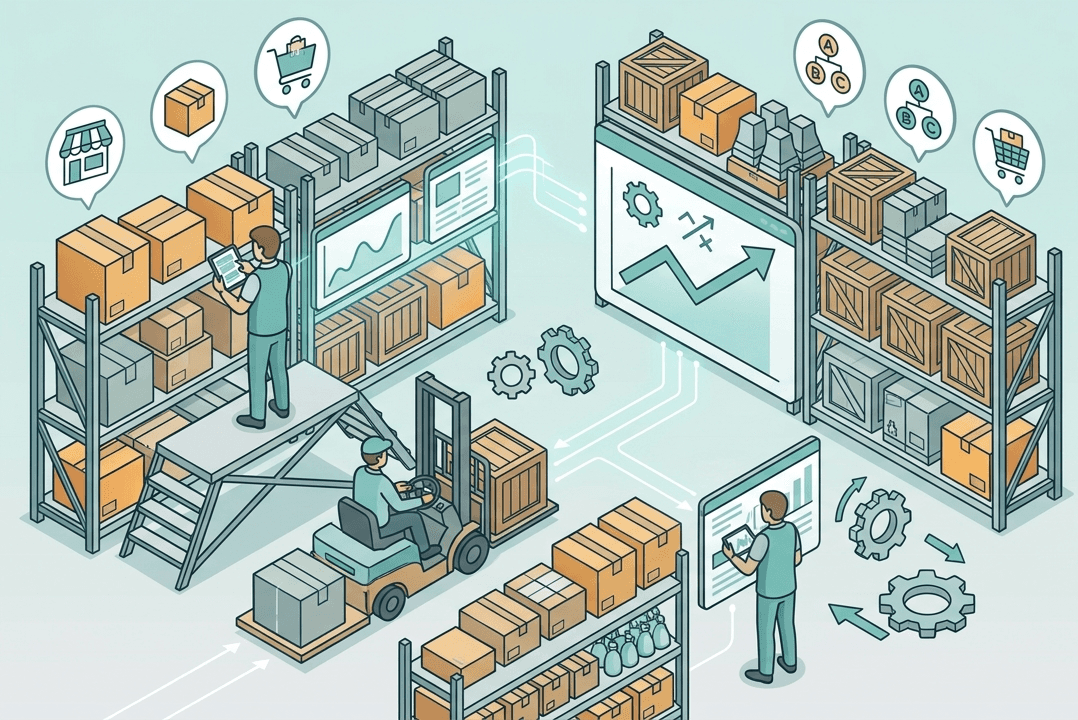
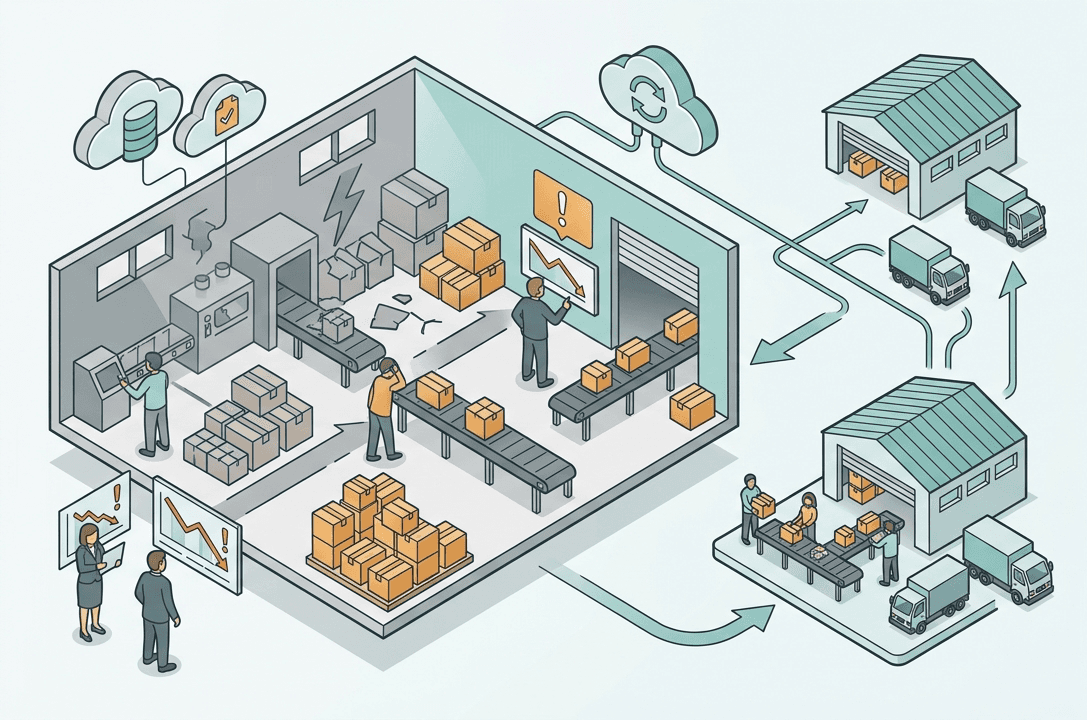
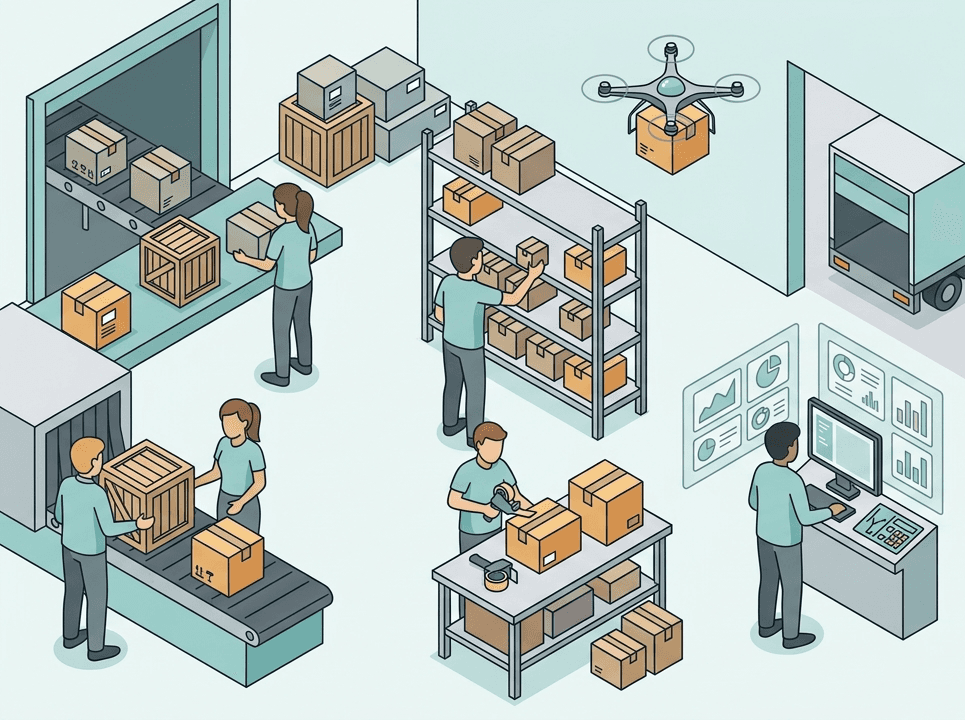
Ready to Simplify Your Fulfillment?
Let's build a custom pricing model for your brand. No contracts required to start the conversation.