3PL vs 4PL: What's the Difference and Which is Right for Your Business?

Michael DeSarno
8 min read
Getting Started
Share
KEY TAKEAWAYS
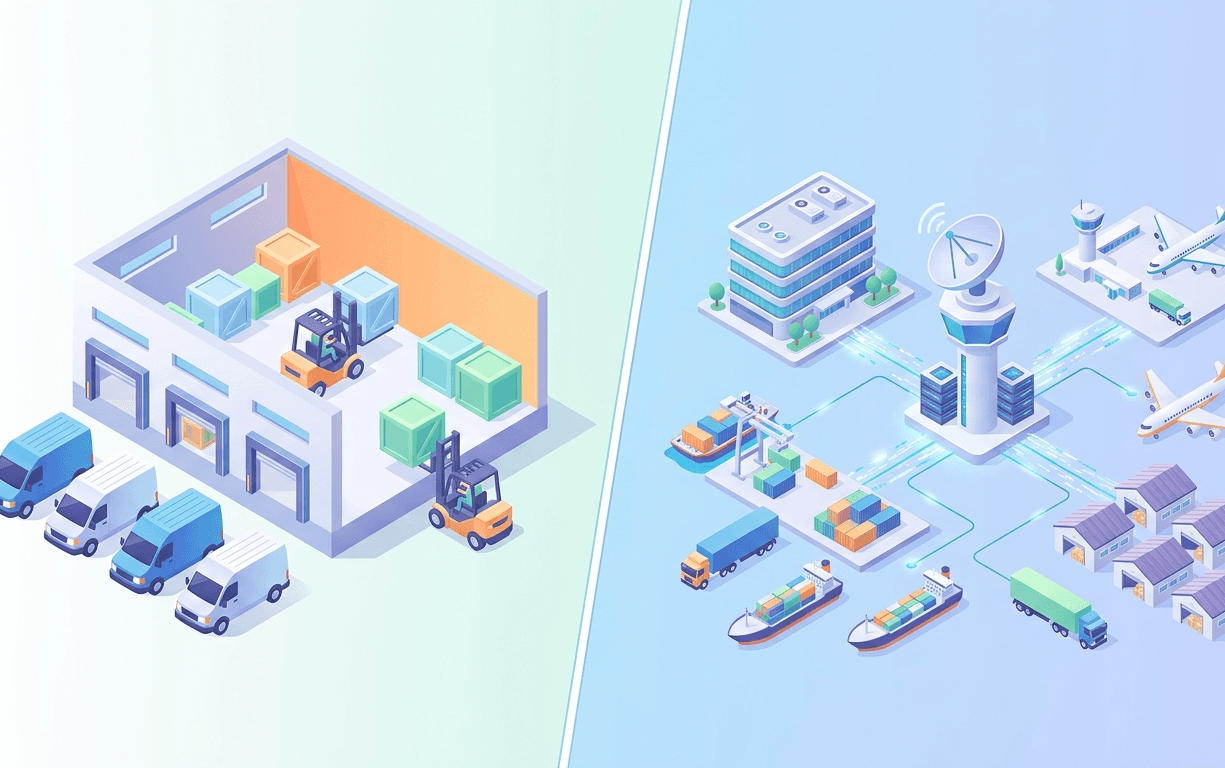
• A 3PL handles physical fulfillment (warehousing, pick and pack, shipping); a 4PL manages supply chain strategy across multiple vendors.
• Most eCommerce and CPG brands scaling up to nine figures need a 3PL, not a 4PL.
• Modern full-service 3PLs now offer bicoastal warehousing, 75+ integrations, and retail distribution that once required 4PL coordination.
• A 4PL adds management fees on top of 3PL costs and is typically justified only for global, multi-continent operations.
Last Updated:
If you're scaling a CPG brand and starting to explore outsourced fulfillment, you've probably seen the terms 3PL and 4PL thrown around. They sound nearly identical, and plenty of articles online blur the lines between them. But the difference matters, especially when you're choosing a logistics provider comparison that will directly impact your margins, your customer experience, and your ability to grow.
Let's break down 3PL vs 4PL in plain terms, no textbook definitions, no filler. Just what you actually need to know as an operator making this decision for your business.
What Is a 3PL (Third Party Logistics Provider)?
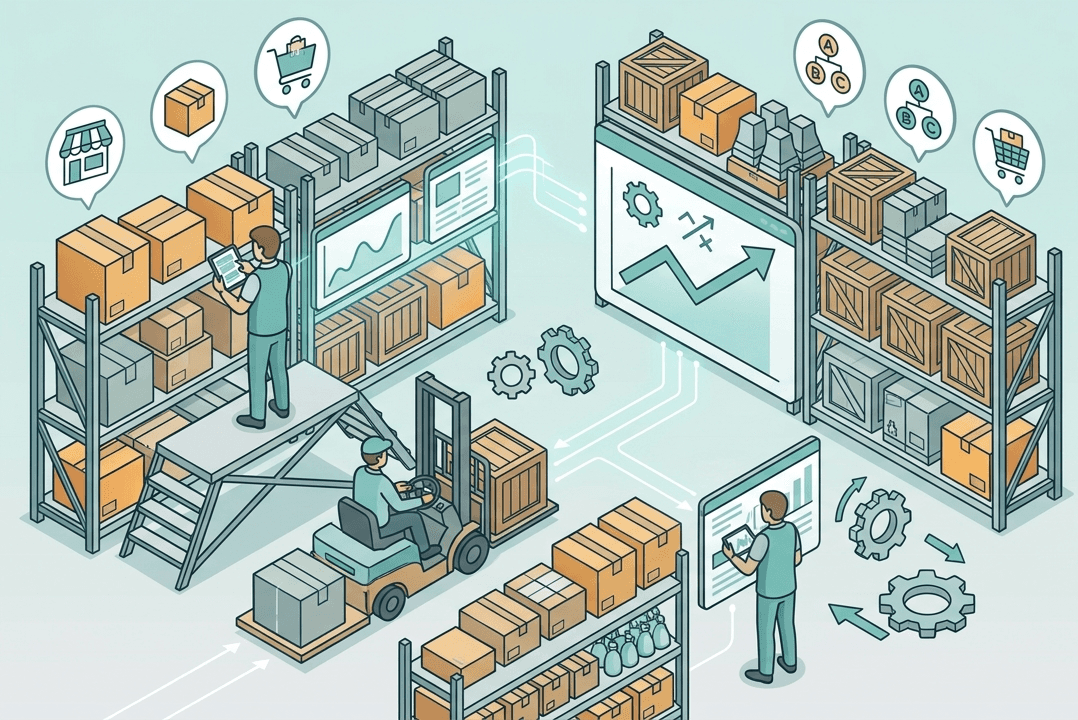
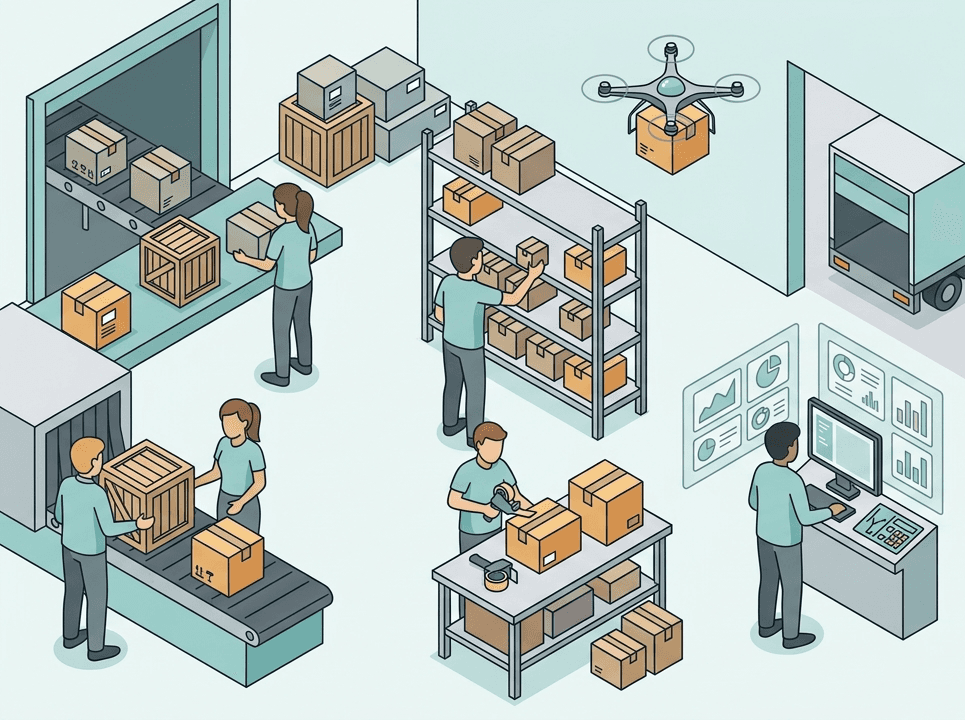
A third party logistics provider, or 3PL, is a company that handles physical fulfillment operations on your behalf. That typically includes warehousing, pick and pack, shipping, and sometimes returns processing, kitting, and B2B distribution.
When you work with a 3PL, you send your inventory to their warehouse. When orders come in through your Shopify store, Amazon listing, TikTok Shop, or any other channel, the 3PL picks the items, packs them, and ships them to your customers. You maintain control over your brand, your sales channels, and your product strategy. The 3PL executes the logistics.
Most growing eCommerce brands in the CPG space (beauty, supplements, pet products, beverages, shelf-stable food, small electronics) start with a 3PL because it solves the most immediate bottleneck: getting orders out the door quickly and accurately without managing your own warehouse.
Companies like ShipDudes operate as full-service 3PLs with dual-coast fulfillment centers, handling everything from pick and pack to subscription box fulfillment to Amazon FBA prep. The key trait of a 3PL is that they are operationally hands-on. They touch your product every single day.
What Is a 4PL (Fourth Party Logistics Provider)?
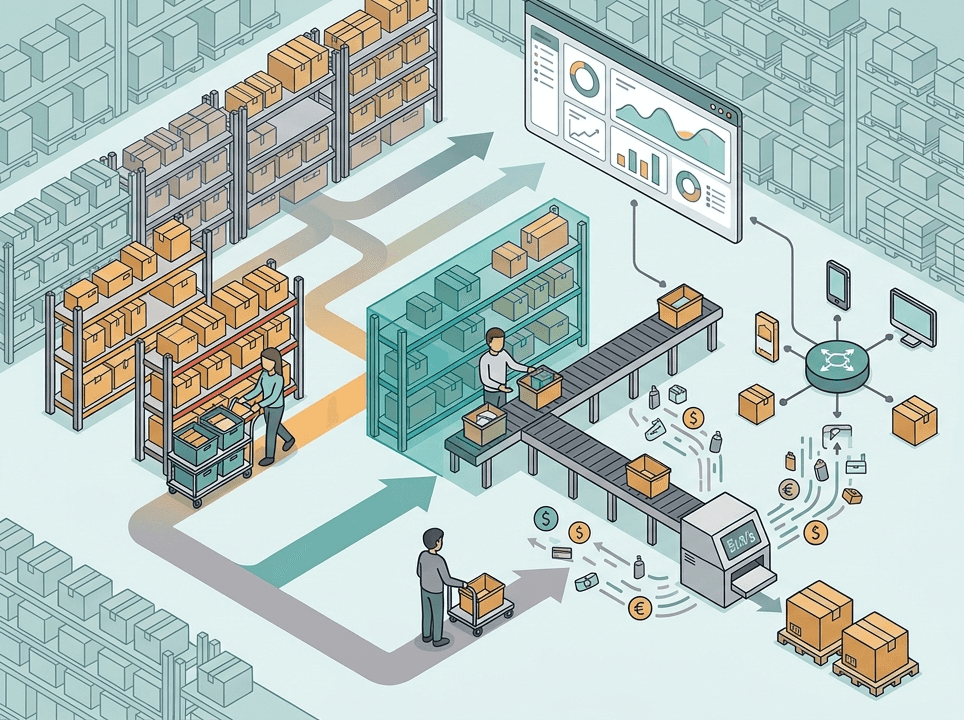
A fourth party logistics provider, or 4PL, operates one layer above the 3PL. Rather than running warehouses and packing orders themselves, a 4PL manages your entire supply chain strategy. They act as a single point of contact that coordinates multiple logistics vendors on your behalf, including 3PLs, freight carriers, customs brokers, and technology platforms.
Think of a 4PL as a logistics general contractor. They don't swing the hammer. They hire and manage the people who do.
4PLs are typically engaged by larger enterprises with complex, multi-region, or global supply chains that need centralized oversight across many moving parts. The 4PL's value comes from strategic coordination, vendor management, and supply chain optimization at scale.
3PL vs 4PL: Side-by-Side Comparison
| Feature | 3PL | 4PL |
|---|---|---|
| Core function | Physical fulfillment (warehousing, pick and pack, shipping) | Supply chain management and coordination |
| Who handles your product | The 3PL directly | Sub-contracted 3PLs managed by the 4PL |
| Relationship to warehouses | Owns or operates warehouses | Does not operate warehouses |
| Technology | Provides WMS and integrations | Manages and integrates across multiple systems |
| Best for | Growing DTC and omnichannel brands | Large enterprises with complex global supply chains |
| Control over operations | High (direct communication with fulfillment team) | Lower (managed through an intermediary) |
| Cost structure | Pay for storage, pick and pack, shipping | Management fees on top of 3PL and carrier costs |
| Typical company size | Small to mid-market (startup to $50M+) | Enterprise ($100M+ with multi-region operations) |
When a 3PL Is the Right Choice
For the vast majority of eCommerce brands doing anywhere from a few hundred to tens of thousands of orders per month, a 3PL is the right call. Here's why.
First, you get direct operational accountability. When you partner with a third party logistics provider like ShipDudes, your fulfillment team is the team packing your orders. There's no middleman. If something goes wrong, you talk directly to the people who can fix it. ShipDudes, for instance, runs an entirely US-based, in-house team with no overseas support layers to wade through.
Second, modern 3PLs have closed the technology gap that 4PLs once claimed as their advantage. ShipDudes integrates with over 75 platforms, including Shopify, Amazon, WooCommerce, TikTok Shop, and Faire. You get omnichannel fulfillment services without needing a separate orchestration layer.
Third, cost efficiency. Adding a 4PL means paying management fees on top of your actual fulfillment and shipping costs. For brands that are scaling but not yet running a global multi-warehouse network across different countries, that extra layer of cost doesn't deliver proportional value.
A 3PL is the right fit if you need warehousing and fulfillment handled reliably, you sell through multiple channels, and you want a partner who understands eCommerce operations from the inside. ShipDudes was founded by eCommerce entrepreneurs who lived through the pain of working with bad fulfillment partners. That operator background shapes everything about how the company runs today.
When a 4PL Might Make Sense
A 4PL becomes relevant when your supply chain complexity outgrows what any single 3PL can manage. That usually looks like this:
- You're shipping from warehouses on three or more continents.
- You need centralized oversight across multiple 3PL relationships.
- Your logistics spend is large enough to justify a dedicated management layer.
- You need a partner focused purely on supply chain strategy, not execution.
Most brands don't reach this threshold until they're well into nine-figure revenue with truly global distribution requirements. If you're still deciding between managing fulfillment in-house or outsourcing to a fulfillment services provider, you're firmly in 3PL territory.
The Hybrid Reality
Here's something most comparison articles won't tell you: the line between 3PL and 4PL has blurred significantly. Many modern 3PLs now offer strategic services that were once exclusive to 4PLs. Dual-coast warehousing, intelligent order routing, EDI-compliant retail distribution, platform integrations across dozens of channels. These capabilities used to require a 4PL to coordinate. Now a strong 3PL handles them natively.
ShipDudes, for example, operates fulfillment centers in both Northern New Jersey and Las Vegas, giving brands bicoastal coverage with two-day ground shipping access to a huge portion of the US population. That's the kind of strategic distribution network you'd historically need a 4PL to piece together, delivered through a single 3PL relationship.
What to Look for in a 3PL Partner
If you've determined that a 3PL is the right model for your business (and for most CPG brands reading this, it is), here's what to prioritize in your logistics provider comparison:
Warehouse locations that match your customer base. Bicoastal fulfillment dramatically reduces shipping costs and transit times. ShipDudes covers this with facilities in New Jersey and Las Vegas.
Deep platform integrations. Your 3PL should connect natively with every channel you sell on, not just Shopify. Look for Amazon, Walmart, TikTok Shop, Faire, and wholesale/EDI integrations.
Responsive, US-based support. When a shipment goes sideways during a product launch, you need to reach a real person who can take action immediately.
Services beyond basic pick and pack. Kitting and assembly, subscription box fulfillment, Amazon FBA prep, returns processing, and B2B/retail distribution are all services that eliminate the need for additional vendors.
Operator DNA. The best 3PLs are run by people who have been in your shoes. They understand the pressure of a product launch, the chaos of a viral moment on TikTok, and the stakes of getting retail distribution right on the first PO.
FAQ: 3PL vs 4PL
What is the main difference between a 3PL and a 4PL?
A 3PL (third party logistics provider) handles physical fulfillment operations like warehousing, pick and pack, and shipping. A 4PL (fourth party logistics provider) manages your overall supply chain strategy and coordinates multiple logistics vendors, including 3PLs, on your behalf.
Is a 4PL better than a 3PL?
Not necessarily. A 4PL is designed for large enterprises with complex, multi-region supply chains. For most eCommerce and CPG brands, a full-service 3PL like ShipDudes provides everything needed to scale, including omnichannel integrations, bicoastal warehousing, and hands-on fulfillment services, without the added cost of a management layer.
How much does a 3PL cost compared to a 4PL?
With a 3PL, you typically pay for storage, pick and pack, and shipping. With a 4PL, you pay those same costs (since a 4PL still uses 3PLs for execution) plus additional management and coordination fees. For growing brands, a 3PL is almost always more cost-effective.
Can a 3PL handle omnichannel fulfillment?
Yes. Modern 3PLs like ShipDudes integrate with 75+ platforms and handle DTC, marketplace, wholesale, and retail fulfillment from the same warehouse infrastructure. This eliminates the need for a 4PL to coordinate multiple fulfillment providers.
When should I switch from a 3PL to a 4PL?
Most brands won't need to. The switch typically becomes relevant when you're managing logistics across multiple continents with several different 3PL relationships and need centralized strategic oversight. If your operations are primarily US-based, a bicoastal 3PL will serve you well through significant scale.
Ready to Find the Right 3PL for Your Brand?
If you're scaling a CPG brand and need a fulfillment partner who actually understands eCommerce operations, ShipDudes was built for exactly this. Dual-coast warehouses, 75+ integrations, 7-day processing, and an all in-house US-based team. No middlemen, no runaround.
Book a call with the ShipDudes team to see if we're the right fit for your brand: [shipdudes.com/book-a-call](https://shipdudes.com/book-a-call)
Ready to Simplify Your Fulfillment?
Let's build a custom pricing model for your brand. No contracts required to start the conversation.