
Beverage Warehousing and Fulfillment: Complete Guide for Liquid Products

Michael DeSarno
8 min read
Industry Guides
Share
KEY TAKEAWAYS
• Beverage fulfillment requires climate-stable warehousing, heavy-duty racking, FEFO lot tracking, and leak-proof packaging to prevent breakage and spoilage.
• A dual-coast warehouse setup (e.g., NJ and Las Vegas) cuts shipping costs on heavy liquid products by reducing average shipping zones.
• Your 3PL must support both DTC parcel shipping and B2B retail distribution with EDI compliance from a single inventory pool.
• ShipDudes operates 2 NJ and 2 Las Vegas warehouses with 75+ integrations, lot tracking, and a 7-day processing guarantee for beverage brands.
Last Updated:
Selling beverages online is one of the fastest-growing categories in DTC ecommerce. It is also one of the most operationally punishing. Heavy cases, glass breakage risk, carrier restrictions on liquids, temperature sensitivity, and expiration dates all combine to create a fulfillment challenge that most general-purpose 3PLs are not equipped to handle well.
If you are running a beverage brand (whether it is functional drinks, craft sodas, kombucha, wellness shots, spirits, or shelf-stable juices) this guide covers exactly what you need to know about beverages fulfillment and warehousing. We will break down the storage requirements, shipping realities, common pitfalls, and what to look for in a fulfillment partner who actually understands liquid products.
Why Beverage Fulfillment Is Fundamentally Different
Most ecommerce products are light, durable, and easy to ship. Beverages are none of those things.
Here is what makes liquid product fulfillment uniquely challenging:
Weight. A case of 12 cans easily hits 10 to 15 pounds. That means dimensional weight rarely applies, and your actual shipping costs are driven by real weight. Every ounce matters.
Fragility. Glass bottles are the obvious concern, but even cans can dent and aluminum pouches can puncture if handled carelessly during pick and pack.
Carrier restrictions. Major carriers (UPS, FedEx, USPS) each have their own rules around shipping liquids. Some restrict certain volumes, require leak-proof inner packaging, or impose surcharges. Alcoholic beverages add an entire layer of compliance on top of that.
Temperature sensitivity. Many beverages are shelf-stable but still degrade in extreme heat. A pallet sitting on a loading dock in July can ruin an entire batch of kombucha or probiotic drinks.
Expiration management. Beverages typically have shorter shelf lives than supplements or beauty products. First-expiry, first-out (FEFO) inventory rotation is not optional. It is critical.
We have written extensively about these specific pain points in our deep dive on [beverage fulfillment challenges](https://shipdudes.com/blog/beverage-fulfillment-challenges-glass-liquid-restrictions-and-shipping-solutions), which covers glass handling, liquid restrictions, and shipping solutions in detail.
Beverage Storage Requirements: What Your Warehouse Needs
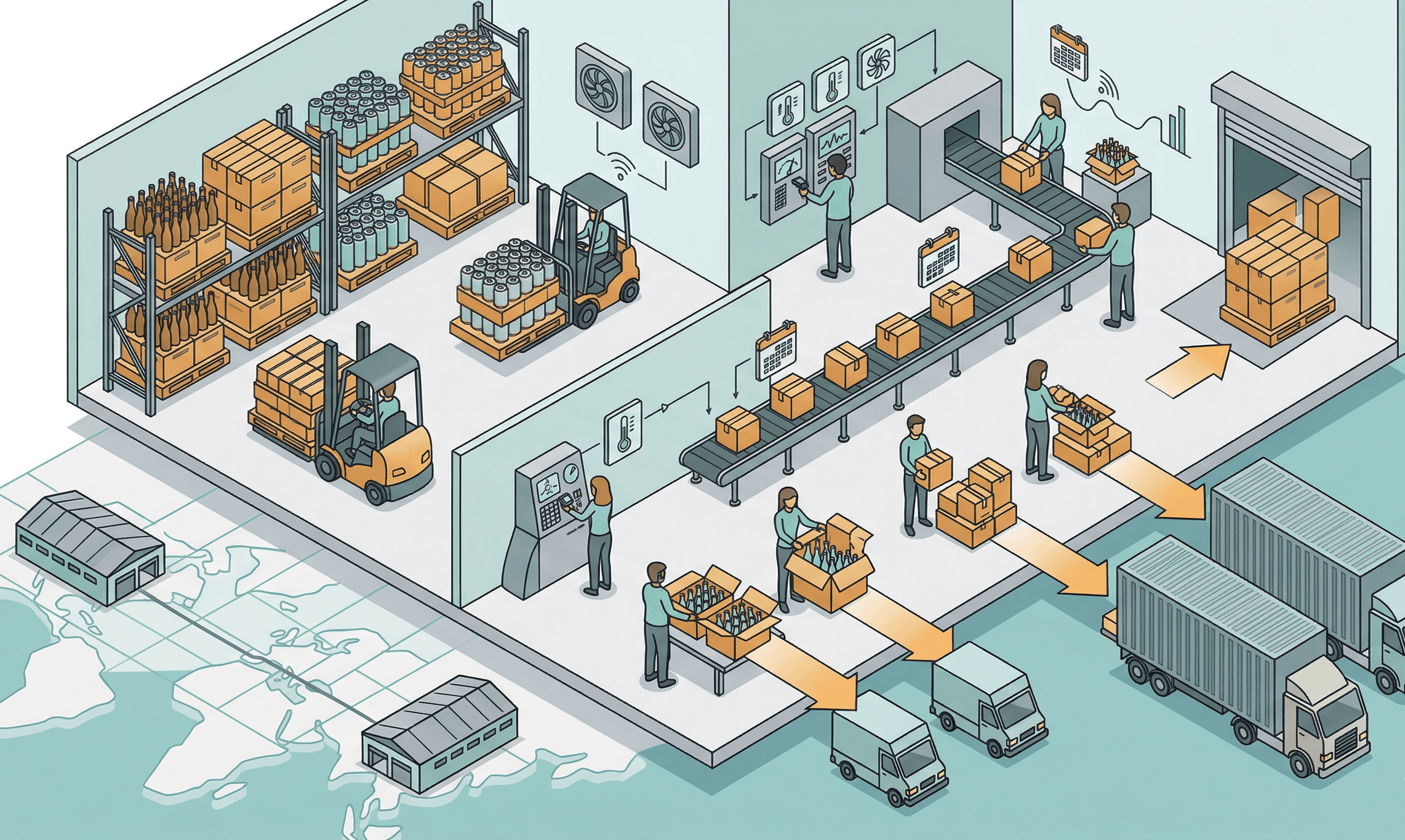
Beverage warehousing solutions require more than just open shelf space. Here are the non-negotiable storage requirements for liquid products:
Climate-Appropriate Facilities
Most shelf-stable beverages do not require cold storage, but they do require climate awareness. Warehouses in extreme heat zones need climate control or at minimum, insulated facilities that prevent interior temperatures from spiking above safe thresholds. This is one reason many beverage brands choose warehouse locations strategically.
At ShipDudes, our dual-coast warehouse setup (Northern New Jersey and Las Vegas) gives beverage brands flexibility. Our [Las Vegas facilities](https://shipdudes.com/blog/las-vegas-3pl-fulfillment-the-west-coast-hub-smart-dtc-brands-are-choosing) are purpose-built for the desert climate, while our [New Jersey warehouses](https://shipdudes.com/blog/new-jersey-3pl-fulfillment-why-nj-is-the-strategic-hub-for-east-coast-dtc-brands) provide East Coast coverage without the cost burden of New York City.
Heavy-Duty Racking
Beverages are dense. Standard light-duty shelving is not designed for pallets of canned drinks or cases of glass bottles. Your 3PL needs heavy-duty pallet racking rated for the weight your products demand.
Lot and Expiration Tracking
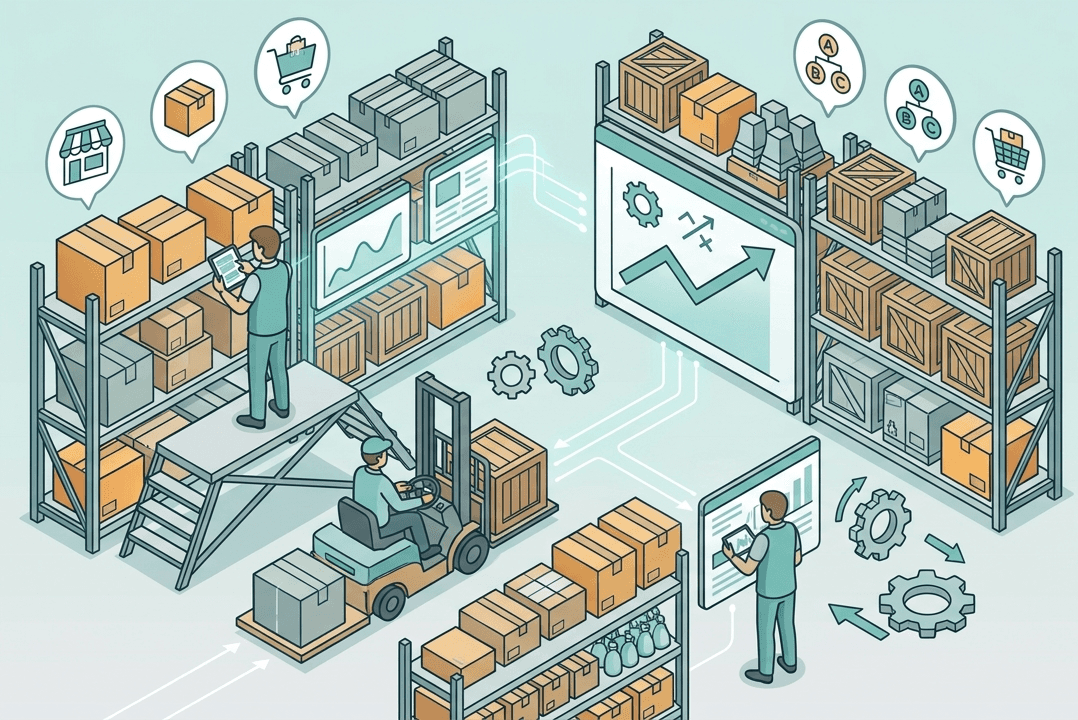
Every beverage SKU should be tracked by lot number and expiration date at the time of [warehouse receiving](https://shipdudes.com/blog/warehouse-receiving-process). This is not just good practice. Retailers will require it for B2B orders, and your customers expect to receive products with meaningful shelf life remaining.
This requirement is similar to what supplement brands face. Our guide on [supplement fulfillment, FDA compliance, and lot tracking](https://shipdudes.com/blog/supplement-fulfillment-fda-compliance-lot-tracking-and-expiration-management) covers the operational mechanics in detail, and much of it applies directly to beverages.
Floor Space for Pallet Storage
Beverage brands often receive inventory in full pallets and ship out in case quantities (especially for B2B). Your fulfillment center needs enough floor space to handle bulk pallet storage alongside pick locations for individual unit DTC orders.
Shipping Liquid Products: Carrier Rules and Cost Realities
Shipping is where most beverage brands feel the most pain. Here is what you need to plan for:
Packaging That Prevents Leaks and Breakage
Carriers require that liquid products be sealed in leak-proof primary containers, then packed with absorbent material inside the shipping box. For glass bottles, this means individual cell dividers, bubble wrap or molded inserts, and outer boxes rated for the total weight.
Getting packaging right is not just about preventing damage claims. It directly impacts your customer experience. Nobody wants to open a box with a shattered bottle and sticky residue everywhere.
Weight-Based Shipping Costs
Beverage shipping costs are almost always calculated on actual weight, not dimensional weight. A 12-pack of 16oz cans in a properly packed box can easily cost $12 to $20 or more to ship ground, depending on distance.
This is exactly why a [dual-coast warehousing strategy](https://shipdudes.com/blog/nationwide-3pl-fulfillment-why-a-two-coast-setup-beats-a-single-warehouse) matters so much for beverage brands. Shipping heavy products coast-to-coast is a margin killer. By splitting inventory between East and West Coast facilities, you reduce the average shipping zone and cut per-order costs significantly. Our post on [shipping cost optimization](https://shipdudes.com/blog/shipping-cost-optimization) breaks down how this math works.
Alcohol Shipping Compliance
If your product contains alcohol, you are dealing with state-by-state shipping regulations, age verification requirements, and carrier-specific licensing. Not every 3PL handles this, and the ones that do need dedicated processes to stay compliant.
DTC vs. B2B: Two Different Fulfillment Workflows
Beverage brands rarely stay DTC-only for long. As you grow, retail distribution through channels like Faire, Amazon, or direct retailer relationships becomes a major revenue driver. Your fulfillment partner needs to handle both.
DTC Fulfillment
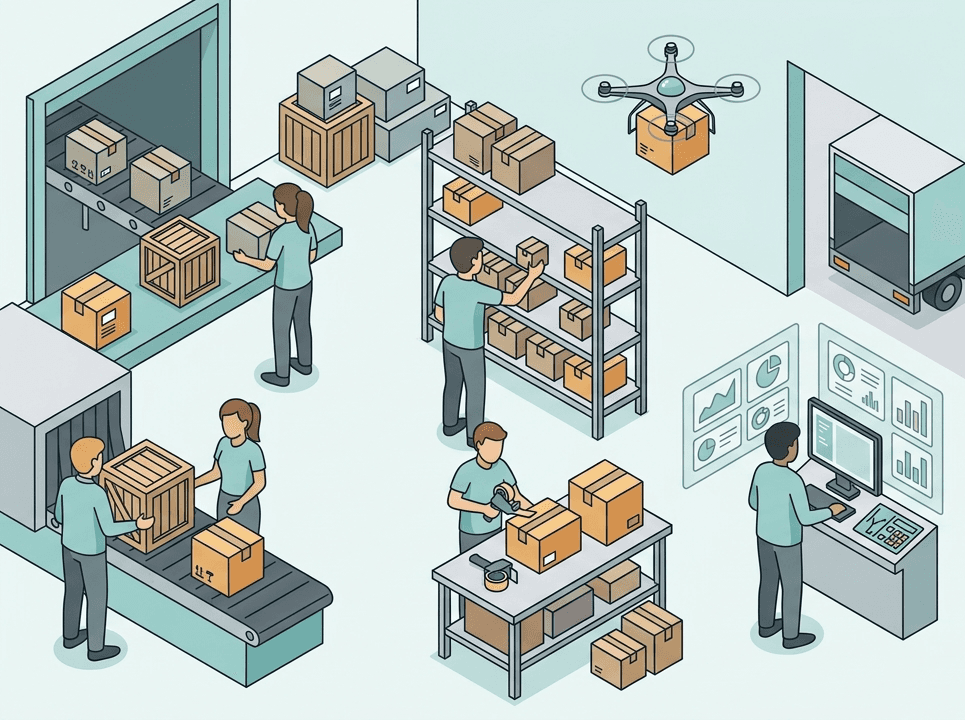
DTC beverage orders typically involve picking individual units or variety packs, packing them securely for parcel shipping, and getting them out the door quickly. This is standard [pick and pack fulfillment](https://shipdudes.com/blog/pick-and-pack-fulfillment), but with the added complexity of weight and fragility.
Many beverage brands also run subscription models. Monthly deliveries of functional drinks or wellness shots require a fulfillment partner who can handle recurring orders with consistent timing.
B2B and Retail Distribution
Retail orders are a completely different animal. Big box retailers and regional chains require EDI compliance, specific case pack configurations, routing guides, and precise labeling. Miss any of these requirements and you are eating chargebacks.
ShipDudes handles [B2B order fulfillment with full EDI integration](https://shipdudes.com/blog/b2b-order-fulfillment-edi-integration-and-retail-distribution-essentials), which means your retail orders process through the same system as your DTC orders. One inventory pool, one dashboard, no juggling multiple warehouses or partners.
Amazon FBA Prep
Many beverage brands sell on Amazon but do not want to rely entirely on FBA. Using a 3PL like ShipDudes for [Amazon FBA prep](https://shipdudes.com/blog/amazon-fba-prep) lets you stage inventory, prep cases to Amazon's specifications, and ship to fulfillment centers on your schedule rather than Amazon's.
For brands looking beyond FBA, our [Amazon FBA alternative](https://shipdudes.com/blog/amazon-fba-alternative) guide explains how Fulfilled by Merchant (FBM) can work as a complementary or primary strategy.
Kitting and Variety Packs: A Revenue Driver for Beverage Brands
Variety packs, sampler boxes, and gift sets are huge for beverage brands. They increase average order value, introduce customers to new flavors, and create a better unboxing experience.
But kitting adds operational complexity. Your 3PL needs to pull multiple SKUs, assemble them into a single package (often with branded inserts or promotional materials), and do it consistently at volume. ShipDudes offers dedicated [kitting and assembly services](https://shipdudes.com/blog/kitting-and-assembly-fulfillment) that handle this without slowing down your standard order flow.
What to Look for in a Beverage 3PL
Not every 3PL is built for beverages. Here is what to evaluate when [choosing a fulfillment partner](https://shipdudes.com/blog/how-to-choose-a-3pl):
Experience with heavy, fragile products. Ask specifically about beverage clients. If they have never shipped glass bottles or heavy cases, you are their guinea pig.
Lot tracking and FEFO rotation. This is table stakes. If their WMS cannot track expiration dates and enforce first-expiry-first-out picking, walk away.
Multi-channel integration. You are probably selling on Shopify, Amazon, maybe TikTok Shop, and possibly Faire for wholesale. Your 3PL needs to connect to all of them. ShipDudes integrates with 75+ platforms to support true [omnichannel fulfillment](https://shipdudes.com/blog/omnichannel-fulfillment).
Dual-coast warehousing. For heavy products, geography is everything. Two [fulfillment centers on the East and West Coast](https://shipdudes.com/blog/fulfillment-centers-east-and-west-coast) can cut your average shipping cost by 20% or more.
A US-based support team. When a pallet arrives damaged or a retailer routing guide changes last minute, you need someone who picks up the phone. ShipDudes runs an entirely [US-based fulfillment team](https://shipdudes.com/blog/the-real-cost-of-3pl-overseas-support-why-us-based-teams-matter-for-your-brand) with no overseas support layers.
Transparent, reliable processing times. Promises of same-day shipping sound great until they are not met. ShipDudes operates on a [7-day processing guarantee](https://shipdudes.com/blog/why-7-day-processing-fulfillment-beats-same-day-promises) that is honest and consistently delivered.
Common Mistakes Beverage Brands Make with Fulfillment
Using a 3PL that treats beverages like any other product. Generic fulfillment workflows lead to breakage, slow shipping, and unhappy customers.
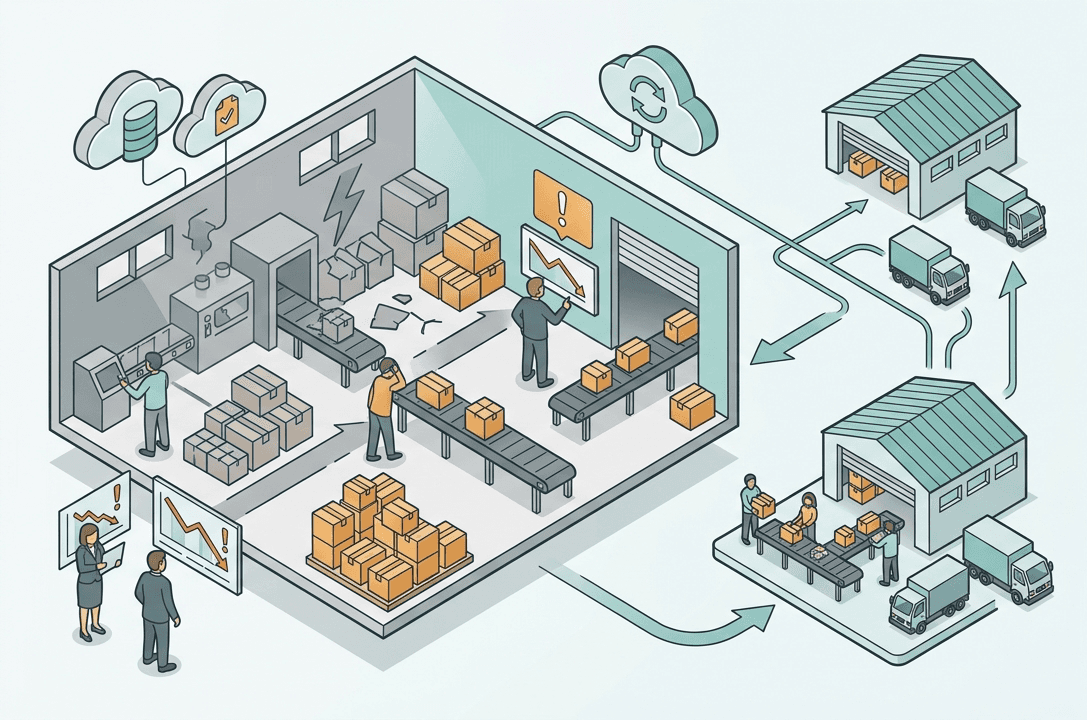
Shipping everything from one location. If you are selling nationwide, a single warehouse means half your customers are paying for cross-country ground shipping on heavy packages.
Ignoring expiration management. Shipping expired or near-expired product is a fast way to destroy brand trust and trigger returns.
Waiting too long to outsource. Many beverage founders try to self-fulfill from a garage or small warehouse until they are drowning. Our guide on [when to switch to a 3PL](https://shipdudes.com/blog/when-to-switch-to-3pl) covers the signals that it is time to make the move.
FAQ: Beverage Warehousing and Fulfillment
What are the main storage requirements for beverage warehousing?
Beverage warehousing requires climate-appropriate facilities (not necessarily cold storage, but temperature-stable environments), heavy-duty racking rated for dense liquid products, lot and expiration date tracking at the SKU level, and adequate floor space for both pallet storage and individual unit picking.
Can a 3PL handle both DTC and retail fulfillment for beverage brands?
Yes, but only if the 3PL supports omnichannel workflows. This means EDI compliance for retail orders, parcel shipping for DTC, and the ability to manage a single inventory pool across channels. ShipDudes supports both DTC and B2B distribution with 75+ platform integrations.
How do you reduce shipping costs for heavy beverage products?
The most effective strategy is splitting inventory across two or more warehouse locations to reduce average shipping zones. A dual-coast setup (such as facilities in New Jersey and Las Vegas) can significantly lower per-order shipping costs by keeping packages closer to end customers.
What carrier restrictions apply to shipping liquid products?
UPS, FedEx, and USPS all require liquid products to be in leak-proof primary containers with absorbent packing material. Specific volume limits and surcharges vary by carrier. Alcoholic beverages face additional restrictions including state-by-state compliance rules and age verification requirements.
How does expiration management work for beverage fulfillment?
Proper beverage fulfillment uses first-expiry, first-out (FEFO) inventory rotation. Each batch received is logged with its lot number and expiration date. The warehouse management system then ensures that the oldest-dated inventory is picked first, preventing expired product from reaching customers.
Ready to Fix Your Beverage Fulfillment?
ShipDudes was founded by ecommerce operators who understand the realities of shipping heavy, fragile, expiration-sensitive products. We work with beverage brands across functional drinks, wellness shots, craft sodas, and more, handling everything from DTC pick and pack to retail distribution with EDI compliance.
With dual-coast warehouses, 75+ integrations, lot tracking, and an all US-based team, we are built for the specific challenges that beverage brands face.
[Book a call with ShipDudes](https://shipdudes.com/book-a-call) and let's talk about what your beverage fulfillment should actually look like.
Ready to Simplify Your Fulfillment?
Let's build a custom pricing model for your brand. No contracts required to start the conversation.