Drop Ship Integration: When to Combine 3PL and Vendor Direct Fulfillment

Michael DeSarno
8 min read
Industry Guides
Share
KEY TAKEAWAYS
• Hybrid fulfillment (3PL + vendor drop ship) lets brands scale catalogs without overcommitting to inventory.
• Centralized order routing, real-time inventory feeds, and matched SLAs are non-negotiable for execution.
• Drop ship only long-tail, test, or specialty SKUs; keep best sellers in your 3PL warehouse.
• ShipDudes supports hybrid models with 75+ integrations and dual-coast warehouses in NJ and Las Vegas.
Last Updated:
Here's a scenario we see constantly: a CPG brand has 80% of its catalog sitting in a 3PL warehouse, ready to ship same day. But the other 20% consists of bulky items, specialty SKUs, or new product lines that ship directly from the manufacturer. Two fulfillment sources, one customer experience, and a whole lot of room for things to go sideways.
The hybrid fulfillment model (combining 3PL warehousing with vendor direct or drop ship fulfillment) isn't a niche tactic anymore. It's how smart brands scale without drowning in inventory costs. But getting it right requires more than just toggling a setting in Shopify. It demands real coordination, clean data, and a 3PL partner that understands multi-source fulfillment.
Let's break down when this model makes sense, how to structure it, and where most brands get burned.
What Is a Hybrid Fulfillment Model?
A hybrid fulfillment model splits your order fulfillment across two or more sources. Your core SKUs live in a [3PL warehouse](https://shipdudes.com/blog/what-is-a-3pl) where they're picked, packed, and shipped on your behalf. Your drop ship SKUs are fulfilled directly by the vendor or manufacturer, often under your brand name.
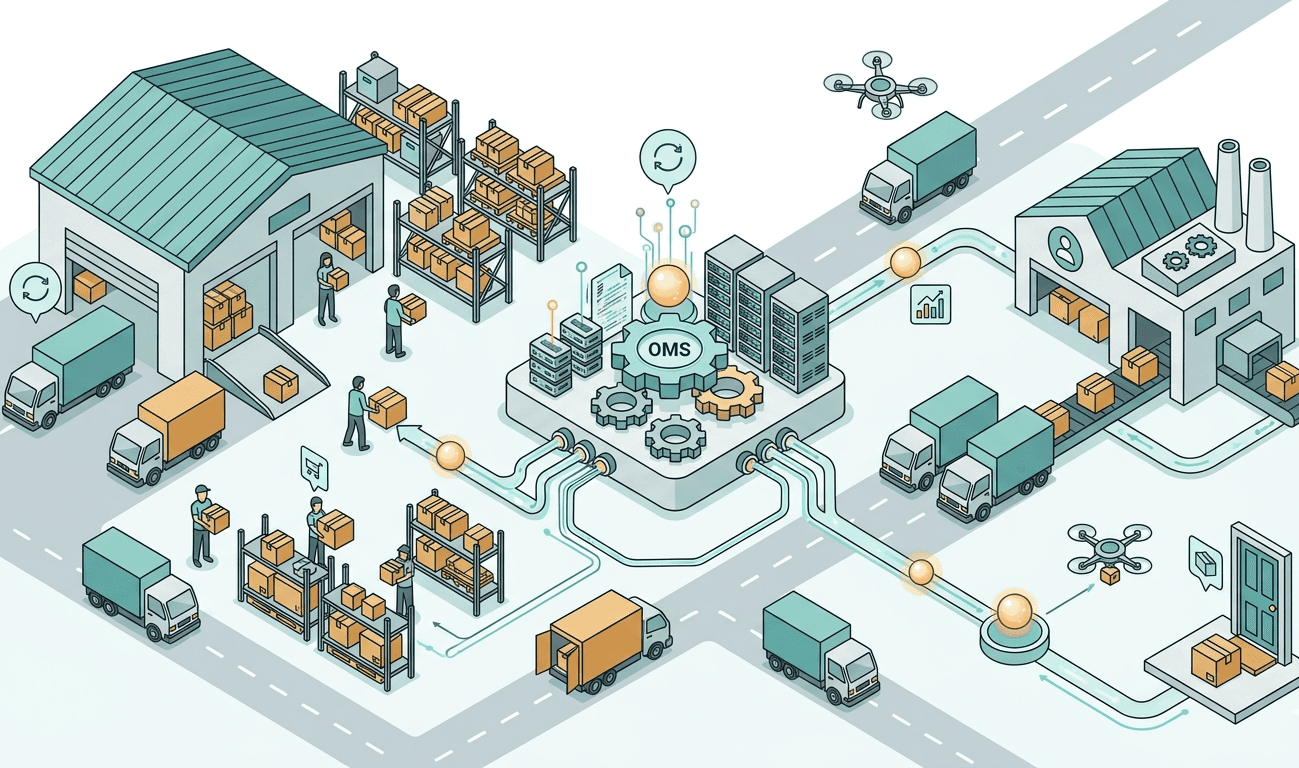
The customer sees one seamless experience. Behind the scenes, your order management system routes each line item to the right fulfillment source based on rules you define.
This isn't the same as running a pure drop ship store. In a hybrid model, you own most of your inventory. You're using vendor direct fulfillment strategically, for specific SKUs or situations where holding inventory doesn't make financial sense.
When Does Drop Ship Integration with a 3PL Make Sense?
Not every brand needs this. If your catalog is tight and your margins support holding everything in a warehouse, keep it simple. But there are clear signals that a hybrid approach is the right move.
You're testing new products. Before committing to a full inventory buy, you can list new SKUs and have the manufacturer fulfill them directly. If they sell, you move inventory into your 3PL. If they don't, you haven't tied up cash in dead stock. This is especially common in beauty, supplements, and general CPG where product launches happen frequently.
You have oversized or specialty items. Some products are expensive to warehouse. If you sell a mix of small, high-velocity items alongside bulky or low-turn SKUs, it often makes sense to let the manufacturer handle the big stuff directly. Brands in the [home goods space](https://shipdudes.com/blog/home-goods-fulfillment-large-item-logistics-and-white-glove-delivery) deal with this constantly.
You're expanding your catalog through partnerships. Maybe you're co-branding with another company or adding complementary products from a partner. Rather than receiving their inventory into your warehouse, you integrate their fulfillment into your order flow.
You're scaling faster than your inventory budget. Growth is great until your cash is locked in pallets. Drop shipping certain SKUs lets you offer a broader catalog without the upfront inventory investment.
The Coordination Problem Most Brands Underestimate
Here's where things get real. The operational complexity of drop ship integration with a 3PL isn't in the concept. It's in the execution.
Split shipments confuse customers. When one order arrives in two packages from two different sources on two different days, customers get concerned. They email support. They leave bad reviews. You need proactive communication, separate tracking numbers clearly explained, and consistent branded packaging across sources.
Inventory visibility breaks down. Your 3PL gives you real-time inventory counts. Your drop ship vendor might update stock levels once a day, or worse, once a week. That gap creates overselling risk. If you're already managing [multi-channel inventory sync](https://shipdudes.com/blog/multi-channel-inventory-sync-how-to-prevent-overselling-across-shopify-amazon-and-tiktok-shop) across Shopify, Amazon, and TikTok Shop, adding vendor direct inventory into the mix multiplies the complexity.
Returns become a nightmare. When a customer returns an order that contained items from both your 3PL and a drop ship vendor, where does the return go? You need clear rules. Most brands route all returns through their 3PL for consistency, then handle vendor credits separately. A solid [returns processing system](https://shipdudes.com/blog/returns-processing-automation-how-smart-3pls-turn-returns-into-revenue-recovery) is non-negotiable.
SLA mismatches create friction. Your 3PL might ship within 24 hours. Your drop ship vendor might take 3 to 5 business days. That inconsistency shows up in your customer experience metrics and, if you're selling on Amazon, can tank your account health.
How to Structure a Hybrid Fulfillment Model That Works
The brands that execute this well share a few common traits.
1. Centralize Your Order Routing
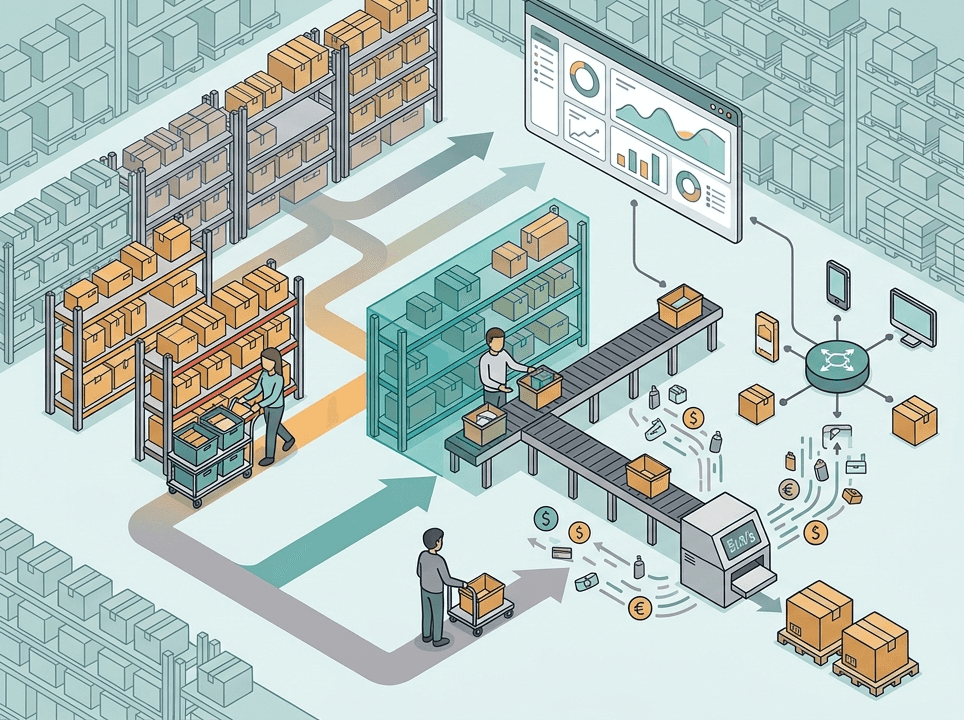
You need a single order management system (OMS) that sits between your sales channels and your fulfillment sources. When an order comes in, the OMS evaluates each line item and routes it to the correct fulfillment partner. This can be your ecommerce platform's native system, a dedicated OMS tool, or your 3PL's technology layer.
At ShipDudes, we integrate with [75+ platforms](https://shipdudes.com/blog/3pl-technology-integration-apis-webhooks-and-real-time-data-sync) and can serve as the hub for orders that we fulfill directly while passing drop ship orders through to vendor systems via API or EDI.
2. Set Vendor SLAs That Match Your Standards
If your 3PL ships within one business day, your drop ship vendor shouldn't be operating on a five-day timeline. Negotiate vendor fulfillment windows, packaging standards, and tracking upload requirements. Hold them accountable the same way you'd [hold a 3PL accountable](https://shipdudes.com/blog/3pl-sla-enforcement-how-to-hold-fulfillment-partner-accountable-templates).
3. Standardize the Customer Experience
Branded packing slips, consistent box quality, and uniform insert programs across all fulfillment sources. This is harder to enforce with vendors than with your 3PL, but it matters. Customers don't care about your supply chain architecture. They care about what shows up at their door.
4. Build Real-Time Inventory Feeds
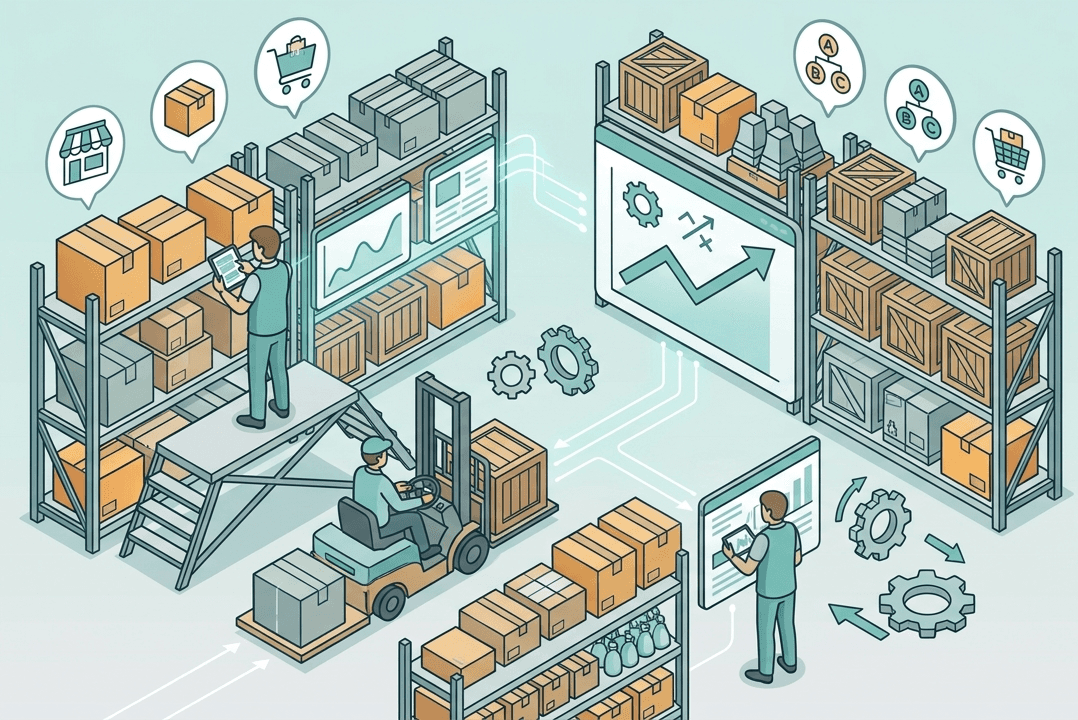
Daily inventory updates from vendors aren't good enough if you're doing any meaningful volume. Push for API-based, real-time or near-real-time stock feeds. Map vendor inventory levels into your [inventory management system](https://shipdudes.com/blog/inventory-management-for-dtc-brands) alongside your 3PL-held stock.
5. Plan for Failure
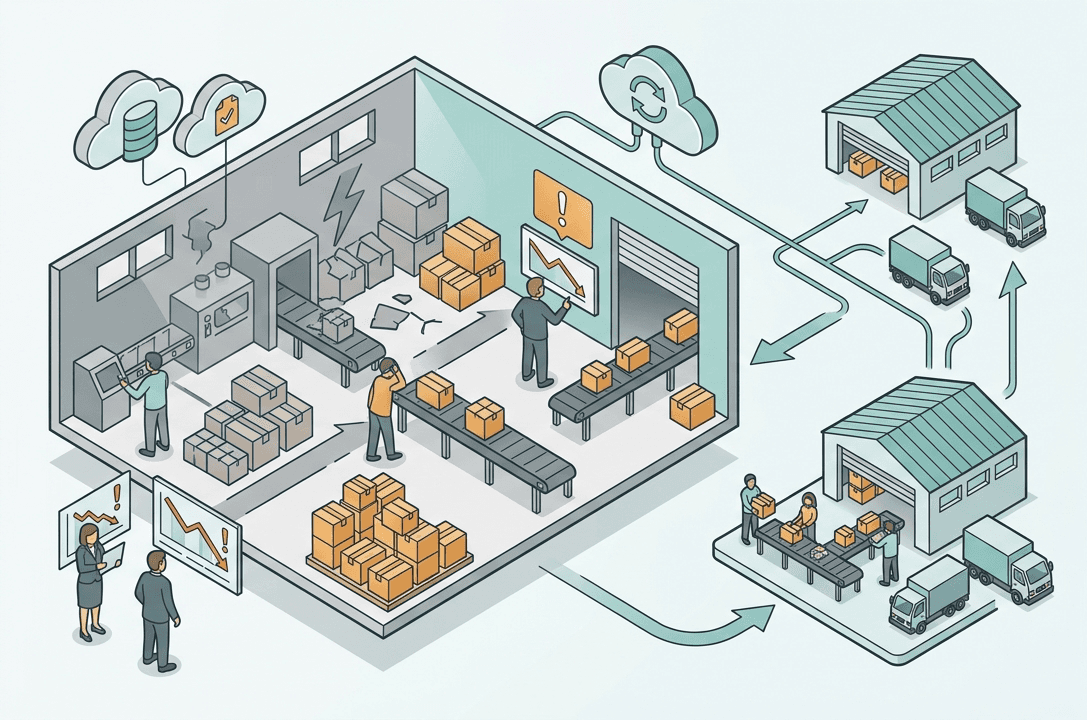
What happens when your drop ship vendor runs out of stock? What happens when they ship late or ship the wrong item? You need a [backup plan](https://shipdudes.com/blog/3pl-backup-plan-emergency-contingency-fulfillment-strategies). Some brands keep a small safety stock buffer at their 3PL for their highest-velocity drop ship SKUs, just in case.
Where a 3PL Like ShipDudes Fits in the Hybrid Model
ShipDudes operates as the primary fulfillment engine for most of our brands' catalogs. Our dual-coast warehouse network (Northern New Jersey and Las Vegas) gives you [nationwide coverage](https://shipdudes.com/blog/nationwide-3pl-fulfillment-why-a-two-coast-setup-beats-a-single-warehouse) with fast transit times. For the SKUs we hold, we handle [pick and pack](https://shipdudes.com/blog/pick-and-pack-fulfillment), [kitting and assembly](https://shipdudes.com/blog/kitting-and-assembly-services), [B2B retail distribution](https://shipdudes.com/blog/b2b-order-fulfillment-edi-integration-and-retail-distribution-essentials), and returns.
When brands layer in vendor direct fulfillment for specific SKUs, we work alongside that model. Our technology integrations mean your OMS can route 3PL-eligible orders to us and drop ship orders to your vendor, all from the same order stream. Because our team is entirely [US-based](https://shipdudes.com/blog/the-real-cost-of-3pl-overseas-support-why-us-based-teams-matter-for-your-brand), when something goes wrong with a split shipment or a vendor drops the ball, you're talking to real people who can help fix it in real time.
The goal isn't to own every piece of your fulfillment. It's to make sure the pieces you do own run flawlessly, so the overall customer experience holds together even when multiple sources are involved.
Common Mistakes to Avoid
Don't drop ship your best sellers. Your highest-velocity SKUs should be in your 3PL warehouse where you control the experience. Drop shipping should be reserved for long-tail, test, or specialty items.
Don't skip the [billing audit](https://shipdudes.com/blog/3pl-billing-audit-how-to-spot-overcharges-and-hidden-fees). Hybrid models create more line items and more invoices. More invoices mean more room for errors. Audit religiously.
Don't ignore the data. Track fulfillment speed, error rates, and customer satisfaction scores separately for 3PL-fulfilled and vendor-fulfilled orders. The data will tell you when it's time to pull a SKU out of drop ship and into your warehouse.
Don't assume your current 3PL can handle this. Not every fulfillment partner has the technology or the operational flexibility to function as one node in a multi-source fulfillment network. If your 3PL can't integrate cleanly with your OMS and provide real-time data sync, the hybrid model will create more problems than it solves.
The Bottom Line
Drop ship integration with a 3PL is a powerful strategy when applied to the right SKUs, with the right technology, and with the right partners. It lets you expand your catalog, test new products, and manage cash flow without sacrificing the customer experience. But it's not a set-it-and-forget-it approach. It requires coordination, monitoring, and a fulfillment partner who understands how to operate within a larger ecosystem.
If you're running a hybrid model (or considering one) and want to see how ShipDudes can serve as your primary fulfillment hub while supporting vendor direct coordination, [book a call with our team](https://shipdudes.com/book-a-call). We'll walk through your catalog, your current setup, and show you exactly how the integration would work.
Ready to Simplify Your Fulfillment?
Let's build a custom pricing model for your brand. No contracts required to start the conversation.