
Seasonal Inventory Storage: Managing Peak Season Overflow Without Losing Your Mind

Michael DeSarno
8 min read
Inventory Management
Share
KEY TAKEAWAYS
• Start seasonal inventory storage planning at least 90 days before peak to negotiate terms, stagger inbound shipments, and avoid overage fees.
• Split seasonal stock across dual-coast warehouses to reduce single-facility overflow and cut transit times to 2-5 days.
• Forecast by SKU and channel (not revenue) to accurately translate demand into pallet positions and bin locations.
• Build a post-season liquidation plan before peak starts so unsold inventory doesn't erode margins through ongoing storage costs.
Last Updated:
Here's the reality most CPG founders know too well: you spend months building up inventory for peak season, your warehouse is bursting at the seams, and then you find out your 3PL either can't handle the overflow or wants to charge you a small fortune in overage fees. Meanwhile, your competitors are shipping on time and capturing market share.
Seasonal inventory storage isn't just a logistics problem. It's a cash flow problem, a customer experience problem, and (if you get it wrong) an existential problem for growing brands. Whether you're stacking pallets for Black Friday, prepping for a summer product launch, or building inventory for a holiday gift set push, how you manage peak season overflow determines whether the season is profitable or just busy.
Let's break down how smart brands handle seasonal stock management, what to look for in a fulfillment partner, and how to stop treating overflow as an emergency every single year.
Why Seasonal Inventory Storage Catches Brands Off Guard
Most brands don't have a storage problem. They have a planning problem disguised as a storage problem.
The pattern looks like this: you forecast demand based on last year's numbers, add a buffer, place purchase orders, and then realize your current warehouse footprint can't absorb the inbound volume. Or worse, you didn't forecast aggressively enough, scramble to place a last-minute reorder, and now you're paying for expedited freight on top of overflow storage.
The root causes tend to be the same across industries:
- Underestimating SKU proliferation. Holiday bundles, limited editions, and seasonal variants multiply your storage needs far beyond what your base catalog requires. If you're running [kitting and assembly services](https://shipdudes.com/blog/kitting-and-assembly-services) for gift sets or variety packs, the component inventory alone can double your footprint.
- Single-location constraints. If all your inventory sits in one warehouse, you're competing for space against your own operational needs. Picking lanes, staging areas, and shipping zones all shrink when overflow takes over.
- Reactive relationships with your 3PL. If you're only talking to your fulfillment partner about storage when you're already out of room, you've already lost leverage and options.
For brands selling across multiple channels (DTC, Amazon, retail, wholesale), the complexity multiplies. Your [inventory allocation strategies](https://shipdudes.com/blog/inventory-allocation-strategies-multi-channel-brands-prevent-stock-conflicts) need to account for channel-specific reserve stock, Amazon FBA prep quantities, and retail distribution timelines, all of which eat into available warehouse space.
The True Cost of Getting Seasonal Storage Wrong
Let's talk numbers, not specific pricing, but the categories of cost that sneak up on you.
Storage overage fees. Most 3PLs charge per pallet per month, but many also have tiered pricing that jumps significantly once you exceed your contracted footprint. If you haven't negotiated seasonal terms in advance, those overages can erode your peak season margins fast. Understanding [fulfillment pricing models](https://shipdudes.com/blog/fulfillment-pricing-models-comparison-finding-the-right-3pl-cost-structure) before peak season hits is essential.
Operational slowdowns. An overcrowded warehouse doesn't just cost more to store in. It costs more to operate in. Pick paths get longer, error rates climb, and throughput drops right when you need it most. If your 3PL is cramming your inventory into every available corner, your [pick and pack fulfillment](https://shipdudes.com/blog/pick-and-pack-fulfillment) speed will suffer.
Stockouts from poor visibility. When inventory is scattered across overflow areas, temporary storage zones, or secondary locations without proper tracking, you lose visibility. And when you lose visibility, you oversell on one channel while sitting on dead stock in another. Real-time [inventory management for DTC brands](https://shipdudes.com/blog/inventory-management-for-dtc-brands) becomes nearly impossible.
Post-season dead stock. Over-ordering for peak season is common, but if you don't have a plan for winding down seasonal inventory, you'll be paying storage fees on products that won't move until next year. That's where [inventory aging analysis](https://shipdudes.com/blog/inventory-aging-analysis-liquidate-dead-stock-cash-flow) becomes critical.
How to Build a Seasonal Inventory Storage Plan That Actually Works
The brands that handle peak season well aren't doing anything magical. They're just starting earlier and being more deliberate. Here's the framework.
1. Forecast by SKU, Not by Revenue
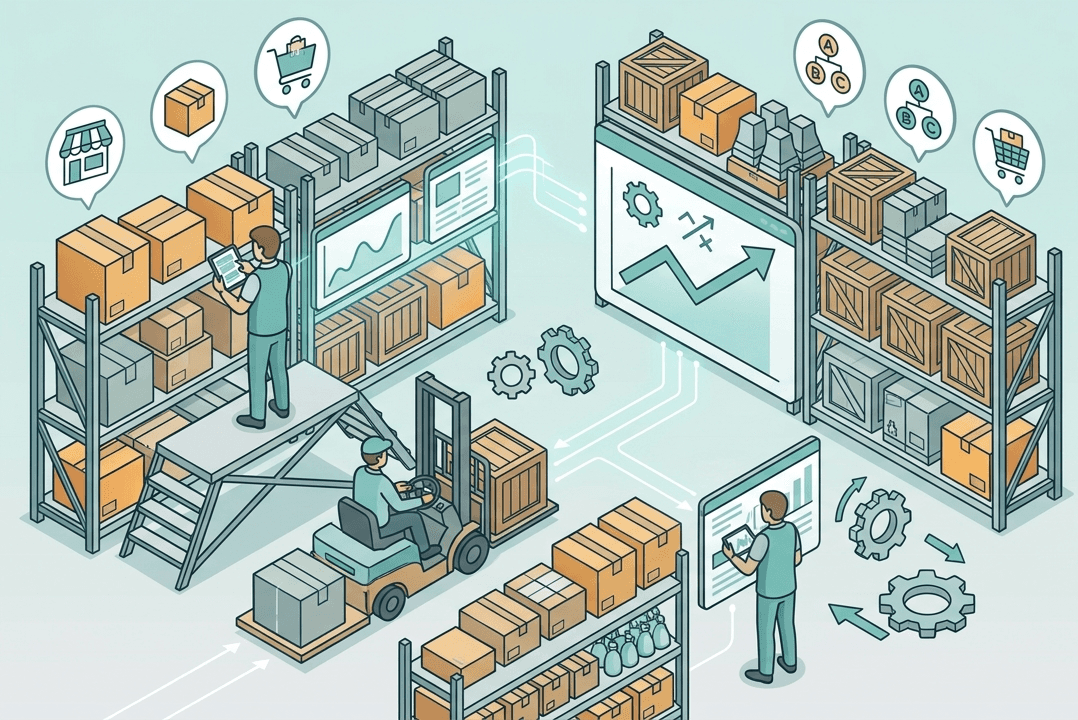
Revenue forecasts are great for your board deck. They're terrible for warehouse planning. You need unit-level forecasts broken down by SKU, by channel, by week. A $500K revenue month could mean 5,000 units of a compact supplement bottle or 500 units of a bulky home goods item. The storage implications are completely different.
Work with your 3PL to translate unit forecasts into pallet positions and bin locations. At ShipDudes, this is part of the onboarding and seasonal planning process because we've seen what happens when brands show up with 20 extra pallets and nowhere to put them.
2. Stage Inbound Shipments Strategically
You don't need all your peak season inventory on Day 1. Work backward from your sales calendar to stagger inbound shipments. If your biggest sales week is Black Friday through Cyber Monday, but you're also running promotions in early November, plan two or three inbound waves rather than one massive delivery.
This approach reduces your peak storage footprint, improves your [warehouse receiving process](https://shipdudes.com/blog/warehouse-receiving-process), and gives your 3PL team time to receive, inspect, and slot inventory properly rather than rushing everything into temporary overflow.
3. Use Dual-Coast Warehousing to Distribute the Load
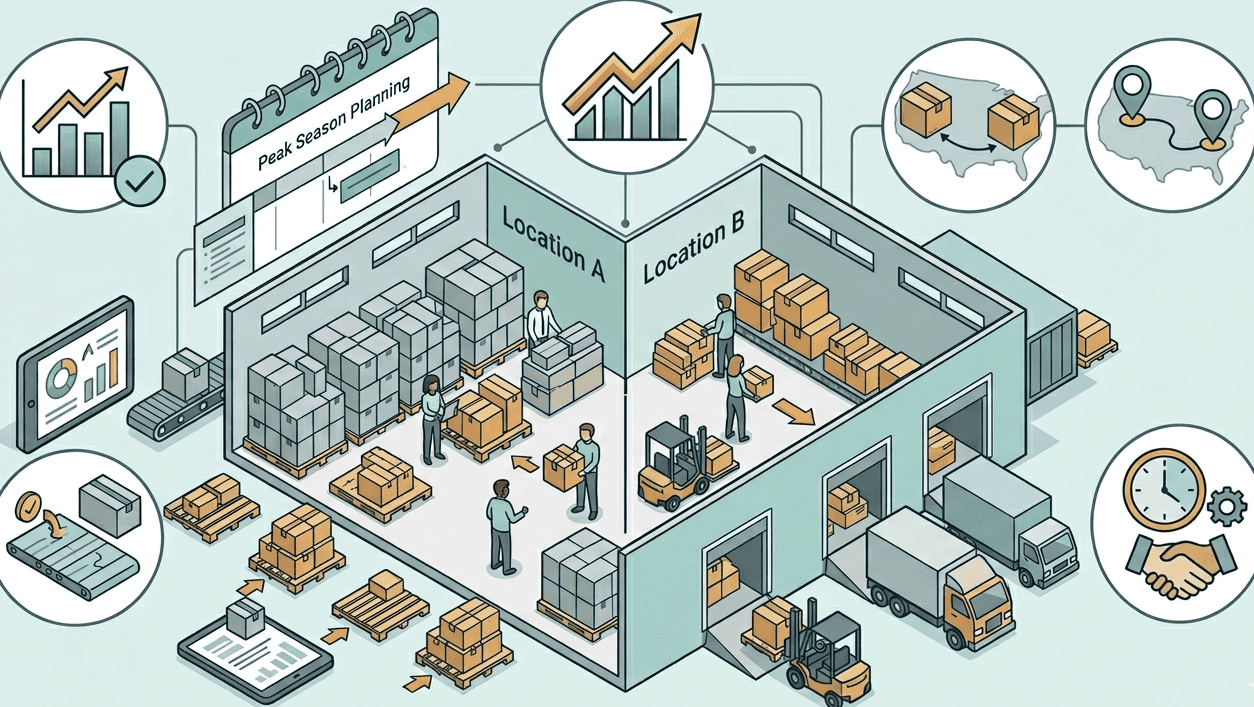
One of the most effective overflow inventory solutions isn't finding more space in a single location. It's splitting inventory across multiple locations. Dual-coast warehousing naturally distributes your storage burden while also reducing shipping costs and transit times.
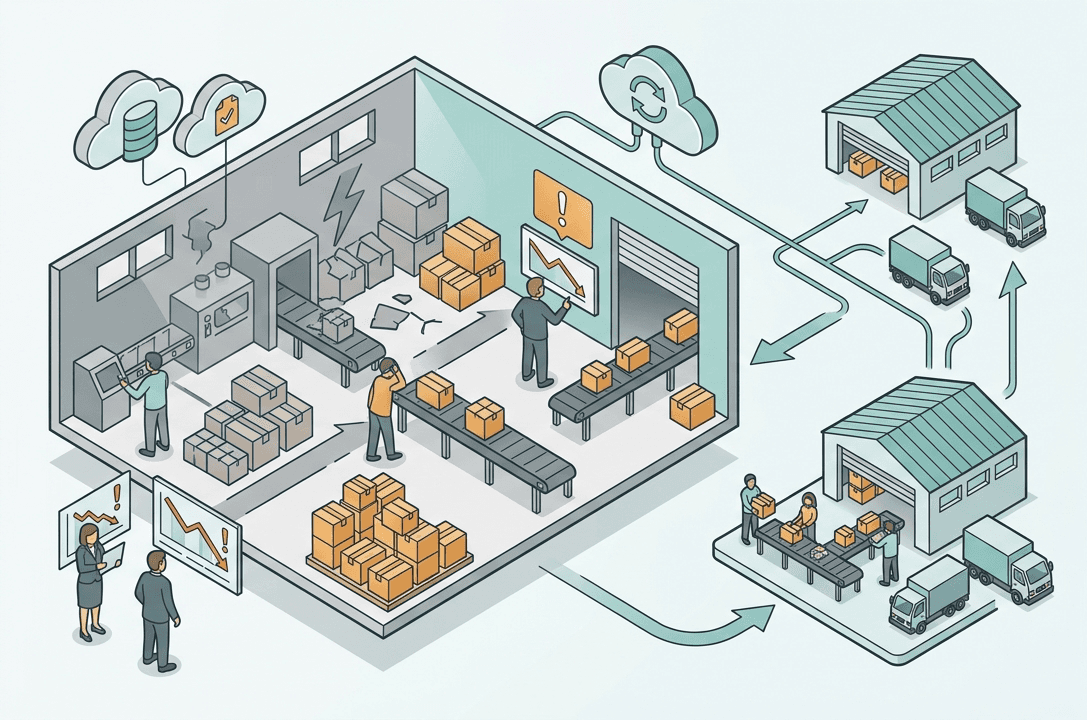
ShipDudes operates four warehouse facilities across Northern New Jersey and Las Vegas, giving brands the ability to split seasonal inventory geographically. Instead of cramming 800 pallets into one facility, you position 400 on each coast. You get better storage utilization, faster delivery to both coasts, and built-in [geographic redundancy](https://shipdudes.com/blog/3pl-geographic-redundancy-fulfillment-disaster-recovery) in case one location faces capacity constraints or disruptions.
This is especially relevant for brands doing [omnichannel fulfillment](https://shipdudes.com/blog/omnichannel-fulfillment), where you might need inventory positioned near retail distribution centers on the East Coast while also fulfilling DTC orders from the West Coast.
4. Pre-Negotiate Seasonal Storage Terms
Don't wait until September to talk to your 3PL about Q4 storage. The best time to negotiate seasonal inventory storage terms is during contract discussions or, at minimum, 90 days before your peak period begins.
Key things to lock down:
- Maximum pallet positions available during peak months
- Overage rates and at what threshold they kick in
- Inbound receiving capacity (can they handle multiple truckloads per week?)
- Lead times for scaling warehouse labor
If your current 3PL can't give you clear answers on any of these, that's a red flag. Review our guide on [3PL contract red flags](https://shipdudes.com/blog/3pl-contract-red-flags-12-terms-that-will-cost-you-(and-what-to-negotiate-instead)) to make sure you're not locked into unfavorable terms.
5. Stress-Test Before You Need To
Don't let peak season be the first time your fulfillment partner handles high volume. Run a stress test. Simulate a volume spike with a flash sale or promotional event before the holidays to identify bottlenecks in receiving, storage, picking, and shipping.
We wrote an entire guide on [3PL scalability testing](https://shipdudes.com/blog/3pl-scalability-testing-how-to-stress-test-your-fulfillment-partner-before-peak-season) that walks through exactly how to do this. If your 3PL can't handle a controlled spike in October, they're definitely going to struggle in December.
Seasonal Storage by Industry: What CPG Brands Need to Know
Different product categories create different seasonal storage challenges:
Beauty and skincare. Holiday gift sets and limited-edition collections spike SKU counts dramatically. You're often dealing with [multi-SKU bundle fulfillment](https://shipdudes.com/blog/multi-sku-bundle-fulfillment-complex-kitting-at-scale) that requires component storage plus finished kit storage. Temperature sensitivity adds another layer, as we cover in our [beauty product fulfillment](https://shipdudes.com/blog/beauty-product-fulfillment) guide.
Supplements and wellness. Lot tracking and expiration management become more complex with higher volumes. Seasonal inventory that doesn't sell through creates expiration risk, not just dead stock risk. Our [supplement fulfillment](https://shipdudes.com/blog/supplement-fulfillment-fda-compliance-lot-tracking-and-expiration-management) guide covers the compliance considerations.
Beverages. Heavy, bulky, and fragile. Seasonal beverage inventory (think holiday flavors or gift packs) demands significantly more pallet positions per revenue dollar than lighter products. [Beverage fulfillment](https://shipdudes.com/blog/beverage-fulfillment-challenges-glass-liquid-restrictions-and-shipping-solutions) requires specialized handling that intensifies during peak season.
Food and shelf-stable CPG. FDA compliance, lot tracking, and seasonal packaging variants all complicate storage. If you're stacking inventory for holiday retail distribution, your [B2B order fulfillment](https://shipdudes.com/blog/b2b-order-fulfillment-edi-integration-and-retail-distribution-essentials) requirements add EDI compliance and retailer-specific packing rules on top of storage needs.
What to Do After Peak Season Ends
Seasonal inventory storage planning doesn't end when the orders stop. Your Q1 actions determine whether peak season was actually profitable.
First, conduct a thorough inventory audit. Know exactly what's left, where it is, and what its shelf life looks like. Second, create a liquidation or promotion plan for slow-moving seasonal stock before storage costs eat into whatever margin you captured. Third, document everything: what worked, what broke, what you'd change. Feed those lessons into next year's [inventory forecasting](https://shipdudes.com/blog/inventory-forecasting-for-multi-channel-brands-preventing-stockouts-across-all-sales-channels) process.
For a complete post-peak playbook, check out our guide on [Q1 fulfillment optimization](https://shipdudes.com/blog/q1-fulfillment-optimization-reset-operations-after-peak-season).
FAQ: Seasonal Inventory Storage
How far in advance should I plan for seasonal inventory storage?
At minimum, 90 days before your peak period begins. For Q4 holiday season, start planning in August or early September. This gives you time to negotiate storage terms, stagger inbound shipments, and ensure your 3PL has allocated enough warehouse space and labor for your volume.
Can my 3PL handle both seasonal overflow storage and increased order volume at the same time?
Not all 3PLs can. The key is to ask specifically about their capacity for simultaneous receiving, storage expansion, and outbound throughput increases. Partners like ShipDudes, which operate multiple facilities across two coasts, can distribute storage and fulfillment load across locations to prevent bottlenecks.
What happens to my seasonal inventory if it doesn't sell through during peak season?
You'll continue paying storage fees on unsold inventory, which erodes your peak season margins. The best approach is to build a post-season liquidation plan before peak season starts, including markdowns, bundling with regular inventory, or B2B closeout channels. Inventory aging analysis helps you identify when to act.
Is it cheaper to rent temporary warehouse space or use a 3PL for seasonal overflow?
In most cases, using a 3PL with flexible seasonal storage is more cost-effective than renting temporary space independently. Temporary warehouses require you to manage labor, technology, insurance, and transportation separately. A 3PL bundles all of that into a single relationship with integrated systems.
How does dual-coast warehousing help with seasonal storage challenges?
Dual-coast warehousing splits your seasonal inventory across two geographic locations, reducing the storage burden on any single facility. It also positions inventory closer to customers on both coasts, which cuts shipping costs and transit times during the period when fast delivery matters most.
Ready to Stop Treating Peak Season Storage as an Emergency?
If you're a CPG brand scaling through seasonal demand cycles and tired of scrambling for warehouse space every year, it's time to work with a fulfillment partner built for growth. ShipDudes operates dual-coast facilities in Northern New Jersey and Las Vegas with the flexibility to scale storage alongside your business, not just during the easy months.
Let's build your seasonal inventory storage plan before the next peak hits. [Book a call with ShipDudes](https://shipdudes.com/book-a-call) and let's talk about what your next peak season actually needs.
Ready to Simplify Your Fulfillment?
Let's build a custom pricing model for your brand. No contracts required to start the conversation.