
Subscription Box Technology Stack: Platform Integrations That Scale

Michael DeSarno
8 min read
Channels & Integration
Share
KEY TAKEAWAYS
• Subscription fulfillment requires five integrated tech layers: billing, ecommerce, WMS, inventory sync, and shipping.
• Batch order processing, kitting templates, and real-time skip/cancel sync separate subscription 3PLs from standard fulfillment.
• ShipDudes connects 75+ platforms and handles subscription kitting natively from 2 NJ and 2 Las Vegas warehouses.
• Red flags include manual CSV uploads, no webhook support, and 3PLs that treat each subscription box as a one-off order.
Last Updated:
You built a subscription box brand because recurring revenue is the holy grail. Predictable income, deeper customer relationships, higher lifetime value. But here's what nobody told you when you started: the technology that powers your subscription fulfillment is either your biggest competitive advantage or the thing that quietly bleeds you dry every single month.
Broken integrations mean oversold inventory. Clunky billing connections mean orders that never reach your 3PL. Manual workarounds mean your team spends hours every week doing things that software should handle automatically. If your subscription fulfillment technology stack isn't purpose-built for recurring orders, you're not scaling. You're just surviving.
This guide breaks down exactly which platform integrations matter, how they connect, and what to look for when choosing a subscription 3PL platform that won't fall apart at 5,000 subscribers.
Why Subscription Fulfillment Technology Is Different from Standard DTC
Standard ecommerce fulfillment is reactive. A customer places an order, the system pushes it to the warehouse, and the 3PL ships it. Subscription fulfillment is proactive. Orders generate on a schedule, often in massive batches, with variations based on customer preferences, plan tiers, and billing cycles.
This creates a fundamentally different set of technical requirements:
- Batch order creation: Hundreds or thousands of orders drop simultaneously when billing cycles process, not spread throughout the day like typical DTC orders.
- SKU variation management: Subscribers on different tiers or with different preferences need different box configurations, all generated automatically.
- Predictable inventory demand: You know (roughly) how much you need and when, but only if your systems communicate properly.
- Churn-related adjustments: Cancellations, pauses, skips, and plan changes need to flow from your billing platform to your fulfillment partner in real time.
If your [subscription box fulfillment](https://shipdudes.com/blog/subscription-box-fulfillment-complete-guide-for-recurring-revenue-brands) partner can't handle these nuances natively, you'll end up building custom workarounds that break every time you add a new plan option.
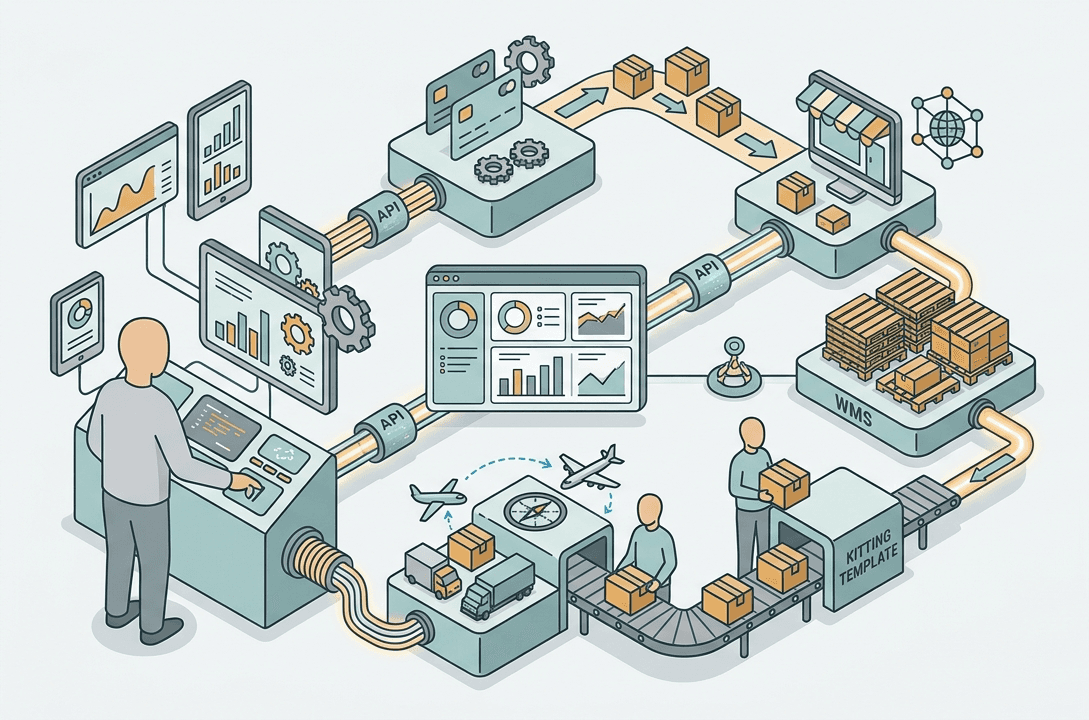
The Core Subscription Fulfillment Technology Stack
Let's map out the layers that matter. Every subscription brand needs these pieces talking to each other seamlessly.
Layer 1: Recurring Billing Platform
This is where subscriptions live. Platforms like Recharge, Bold Subscriptions, Ordergroove, Skio, and Smartrr manage the customer-facing subscription experience: plan selection, billing frequency, payment processing, skip/pause functionality, and upsells.
Your recurring billing integrations need to do more than just charge cards. They need to push accurate order data downstream every time a billing cycle runs. That means each successful charge creates a fulfillment order with the correct SKUs, quantities, shipping address, and any special instructions tied to that subscriber's preferences.
The failure point most brands hit: billing platforms that create orders in the ecommerce platform (like Shopify), but the order data doesn't include subscription-specific metadata your 3PL needs. Things like box tier, personalization choices, or gift messaging get lost in translation.
Layer 2: Ecommerce Platform
Shopify, WooCommerce, BigCommerce, or whatever storefront you run. This is typically the middleware between your billing platform and your 3PL. Subscription orders flow from the billing tool into the ecommerce platform, then from the ecommerce platform to your fulfillment partner.
ShipDudes integrates with 75+ platforms, including all major ecommerce and subscription billing tools. That breadth matters because subscription brands rarely operate on a single channel. You might sell one-time purchases on Shopify, run subscriptions through Recharge, and also distribute through [Amazon](https://shipdudes.com/blog/amazon-fba-alternative) or [TikTok Shop](https://shipdudes.com/blog/tiktok-shop-fulfillment-complete-guide-for-social-commerce-success). Your fulfillment technology needs to handle all of it from one inventory pool.
Layer 3: Warehouse Management System (WMS)
This is where subscription box automation lives or dies. Your 3PL's WMS needs to receive batch orders, group them intelligently for pick-and-pack efficiency, and manage the kitting process for multi-SKU boxes.
Key WMS capabilities for subscription fulfillment:
- Batch processing: The ability to receive and organize hundreds of similar orders for wave picking, rather than treating each subscription box as an individual random order.
- Kitting templates: Pre-configured box builds that the warehouse team can execute consistently, with the ability to swap components based on subscriber tier or preferences.
- Inventory reservation: Holding stock for upcoming subscription cycles so one-time DTC orders don't eat into your recurring fulfillment needs.
If you're running [multi-SKU bundles](https://shipdudes.com/blog/multi-sku-bundle-fulfillment-complex-kitting-at-scale) as part of your subscription boxes, this WMS layer becomes even more critical. ShipDudes handles complex [kitting and assembly](https://shipdudes.com/blog/kitting-and-assembly-fulfillment) workflows natively, which means your subscription box builds happen inside the fulfillment process rather than requiring a separate co-packing step.
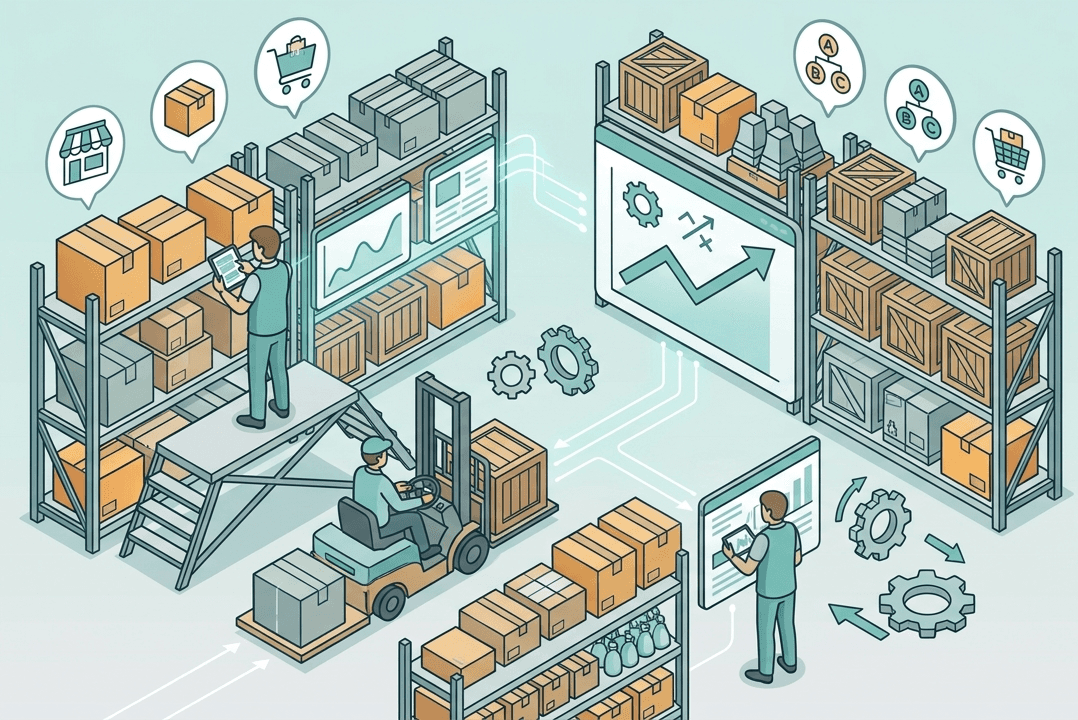
Layer 4: Inventory Management and Sync
Subscription brands face a unique inventory challenge. You need to allocate stock for both recurring subscription orders and one-time purchases across multiple sales channels. Without proper [multi-channel inventory sync](https://shipdudes.com/blog/multi-channel-inventory-sync-how-to-prevent-overselling-across-shopify-amazon-and-tiktok-shop), you risk overselling to one-time buyers and not having enough product to fulfill your subscribers.
Your subscription 3PL platform should provide real-time inventory visibility that accounts for upcoming subscription cycles. This means knowing not just what's on the shelf today, but what's committed to next week's billing run. Effective [inventory allocation strategies](https://shipdudes.com/blog/inventory-allocation-strategies-multi-channel-brands-prevent-stock-conflicts) prevent the nightmare scenario where your most loyal recurring customers get "out of stock" emails.
Layer 5: Shipping and Carrier Integration
Subscription boxes often have consistent dimensions and weights month over month, which creates opportunities for [shipping cost optimization](https://shipdudes.com/blog/shipping-cost-optimization) that one-time order brands don't get. Your 3PL should be rate-shopping across carriers for every batch, taking advantage of the predictable package profiles that subscription boxes create.
ShipDudes operates from dual-coast warehouses in Northern New Jersey and Las Vegas, which means your subscription boxes ship from whichever location gets them to subscribers fastest and cheapest. For a [nationwide fulfillment](https://shipdudes.com/blog/nationwide-3pl-fulfillment-why-a-two-coast-setup-beats-a-single-warehouse) strategy, this geographic split is especially powerful for subscription brands where every box ships at the same time and transit speed consistency matters.
Recurring Billing Integrations: What to Verify Before You Commit
Not all billing-to-fulfillment connections are equal. Before you commit to a subscription 3PL platform, verify these specific integration capabilities:
Order metadata pass-through: Can your billing platform's custom fields (box tier, flavor preferences, gift notes) flow all the way to the pick-and-pack floor? Many integrations strip this data out.
Skip and cancellation sync: When a subscriber skips a month or cancels mid-cycle, does the fulfillment order get removed automatically? Or does your team need to manually pull it? Real subscription box automation means zero manual intervention for routine subscriber actions.
Address change handling: Subscribers update their addresses constantly. Your integration needs to pull the current address at fulfillment time, not the address on file when the subscription was created.
Payment failure workflows: When a charge fails and retries later, the fulfillment order needs to be created only after successful payment. Poorly built integrations create fulfillment orders on charge attempt rather than charge success, leading to shipped boxes that were never paid for.
For deeper technical details on how these integrations work, check out our guide on [3PL technology integration with APIs, webhooks, and real-time data sync](https://shipdudes.com/blog/3pl-technology-integration-apis-webhooks-and-real-time-data-sync). If you're evaluating a new partner, our [3PL integration testing guide](https://shipdudes.com/blog/3pl-integration-testing-verify-tech-stack-before-going-live) walks through exactly how to verify your tech stack before going live.
Subscription Box Automation: Beyond Basic Order Processing
True subscription box automation extends past just getting orders into the warehouse. Here's what the best subscription fulfillment technology stacks automate end to end:
Cycle forecasting: Pulling subscriber counts and plan distributions to generate accurate inventory forecasts before each billing cycle. Your [inventory forecasting](https://shipdudes.com/blog/inventory-forecasting-for-multi-channel-brands-preventing-stockouts-across-all-sales-channels) should incorporate subscription data as a primary input.
Returns processing: Subscription returns have different patterns than one-time purchases. A subscriber who receives a damaged box needs a replacement from the current cycle, not a refund flow. Your [returns management](https://shipdudes.com/blog/returns-management-3pl) system needs to handle this distinction.
Expiration management: If your subscription boxes include supplements, food, or beauty products, [expiration date management with FIFO protocols](https://shipdudes.com/blog/expiration-date-management-fifo-fulfillment-cpg-brands) ensures subscribers always receive the freshest inventory. This is especially important for brands in [supplement fulfillment](https://shipdudes.com/blog/supplement-fulfillment-fda-compliance-lot-tracking-and-expiration-management) or [food fulfillment](https://shipdudes.com/blog/food-fulfillment-center-requirements-fda-compliance-and-safe-storage).
Custom packaging workflows: Most subscription brands invest heavily in [branded unboxing experiences](https://shipdudes.com/blog/custom-packaging-and-branded-fulfillment-elevate-your-unboxing-experience). Your automation needs to incorporate custom packaging materials, inserts, and tissue paper into the standard pick-and-pack workflow without slowing down throughput.
How ShipDudes Handles Subscription Fulfillment Technology
ShipDudes was built by ecommerce entrepreneurs who've personally dealt with the pain of subscription fulfillment partners who couldn't keep up. That operator background shows up in how the technology stack is structured.
With 75+ platform integrations, ShipDudes connects natively to every major subscription billing platform and ecommerce storefront. Orders flow in automatically, inventory syncs in real time across all channels, and the [all-US-based team](https://shipdudes.com/blog/the-real-cost-of-3pl-overseas-support-why-us-based-teams-matter-for-your-brand) resolves integration issues without timezone delays or language barriers.
The [7-day processing](https://shipdudes.com/blog/why-7-day-processing-fulfillment-beats-same-day-promises) model is particularly well-suited for subscription brands. When your billing cycle runs on a Wednesday evening and 3,000 orders drop overnight, they're processed and shipped within the committed window. No weekend backlog. No "we'll get to it Monday" delays.
For brands managing [omnichannel fulfillment](https://shipdudes.com/blog/omnichannel-fulfillment) alongside subscriptions (selling DTC, on Amazon, through retail, and through subscription plans simultaneously), ShipDudes' [inventory pooling](https://shipdudes.com/blog/inventory-pooling-strategies-shared-stock-across-sales-channels) approach means you're not maintaining separate inventory silos for each channel.
Red Flags in Subscription 3PL Technology
When evaluating a subscription 3PL platform, watch for these warning signs:
- Manual CSV uploads for subscription orders: If your 3PL requires you to export orders and upload them manually, that's not a real integration. That's a workaround.
- No webhook support: Webhooks enable real-time communication. Without them, data syncs on a delay (often 15 to 30 minutes), which means cancellations and address changes can miss the fulfillment window.
- Single-platform dependency: A 3PL that only integrates with Shopify can't support you when you expand to Amazon, Faire, or [B2B retail distribution](https://shipdudes.com/blog/b2b-order-fulfillment-edi-integration-and-retail-distribution-essentials).
- No batch processing capability: If the warehouse treats each subscription box as a unique one-off order, your costs will be higher and your fulfillment will be slower than it needs to be.
For a full checklist of what to evaluate, our guide on [how to choose a 3PL](https://shipdudes.com/blog/how-to-choose-a-3pl) covers the decision framework in detail.
FAQ
What is subscription fulfillment technology?
Subscription fulfillment technology refers to the integrated software stack that connects recurring billing platforms, ecommerce storefronts, warehouse management systems, and shipping carriers to automate the end-to-end process of picking, packing, and shipping subscription boxes on a recurring schedule. It includes recurring billing integrations, real-time inventory sync, batch order processing, and kitting automation.
Which billing platforms integrate with subscription 3PLs?
Most subscription 3PL platforms integrate with major recurring billing tools like Recharge, Bold Subscriptions, Ordergroove, Skio, and Smartrr. ShipDudes supports 75+ platform integrations, covering all major billing and ecommerce platforms used by CPG subscription brands.
How does subscription box automation reduce fulfillment errors?
Subscription box automation eliminates manual data entry by syncing order details (SKU selections, address updates, skip/cancel actions) directly from the billing platform to the warehouse floor. Automated kitting templates ensure each box is built consistently, and real-time inventory sync prevents overselling or stock misallocation across channels.
Can a 3PL handle both subscription orders and one-time DTC orders?
Yes. A capable subscription 3PL platform like ShipDudes manages subscription orders, one-time DTC purchases, Amazon FBA prep, B2B wholesale, and marketplace orders from a single shared inventory pool. This omnichannel approach prevents the need for separate inventory allocations per channel.
What happens if my billing platform charges fail mid-cycle?
Properly built recurring billing integrations create fulfillment orders only after successful payment, not on charge attempt. This prevents your 3PL from shipping boxes that were never paid for. When a retry succeeds later in the cycle, the order is created and queued for fulfillment at that point.
Ready to Build a Subscription Tech Stack That Scales?
If your current fulfillment partner can't keep up with your subscription billing cycles, is dropping orders when subscribers make changes, or requires manual workarounds that eat your team's time every month, it's time to talk.
ShipDudes supports 75+ platform integrations, handles complex kitting workflows, operates from dual-coast warehouses, and is backed by an all-US-based team that understands subscription fulfillment technology from the operator's perspective.
[Book a call with ShipDudes](https://shipdudes.com/book-a-call) to walk through your subscription tech stack and see how the integration works with your specific billing platform, ecommerce storefront, and growth plans.
Ready to Simplify Your Fulfillment?
Let's build a custom pricing model for your brand. No contracts required to start the conversation.